
Introduction
Few global events command as much urgent attention right now as the recent surges of violence and military activity in Ukraine’s eastern Donbas region. Over the past several weeks, reports of heavy artillery exchanges and rapid troop movements have signaled a significant intensification in the ongoing Russia-Ukraine conflict—a situation reverberating throughout international headlines and diplomatic circles.
I find this conflict deeply compelling, not only for its immediate human and geopolitical consequences but also because it highlights how quickly long-standing tensions can erupt into new cycles of escalation. By peering closely at what’s unfolding in Donbas, I hope to shed light on both the facts and their larger implications—helping you see the patterns within the headlines.
What's Happening
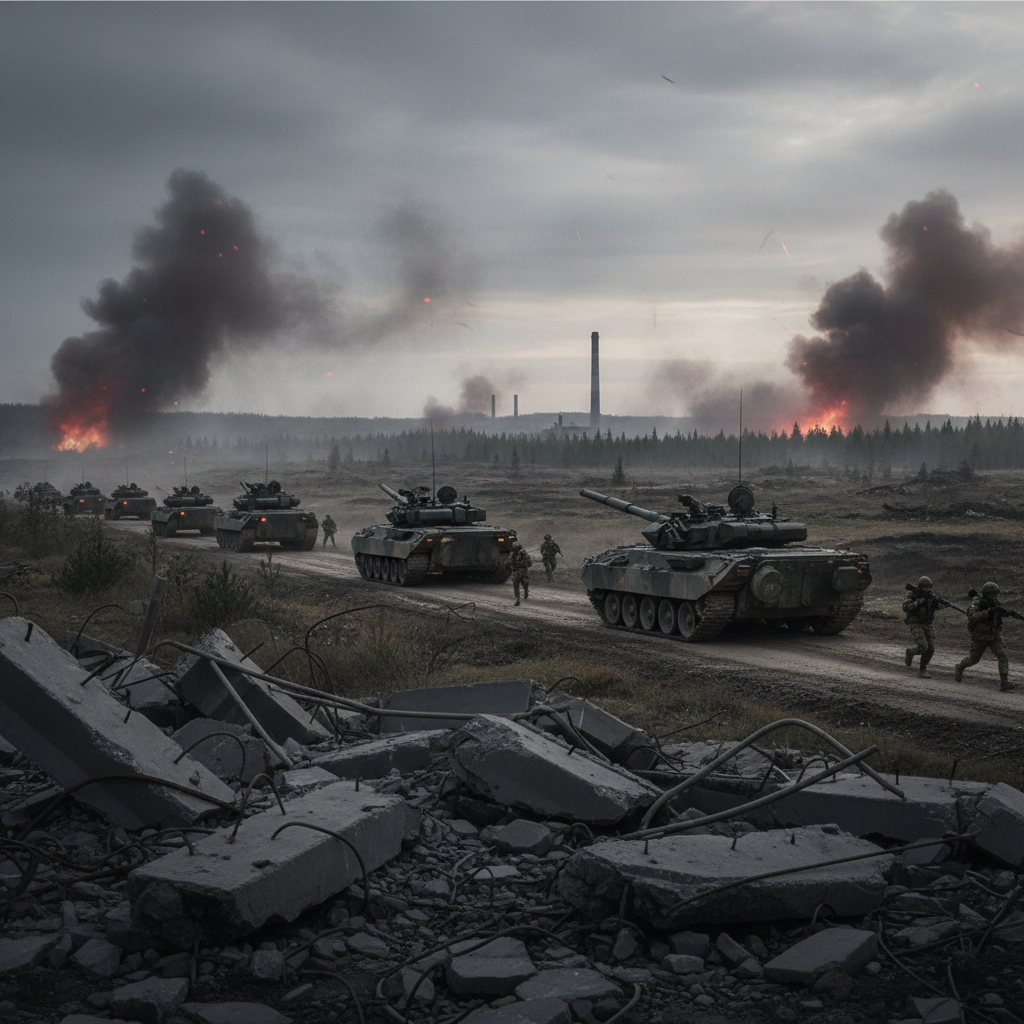
The Donbas region, a focal point in the Russia-Ukraine war since 2014, has recently become the scene of some of the most intense military exchanges of 2024. Multiple sources on the ground report that both Russian and Ukrainian forces have committed additional troops and equipment to the area, leading to a marked increase in artillery fire, drone strikes, and casualties on both sides.
- Heavy Artillery Duels: Daily barrages have escalated around strategic towns like Avdiivka, Chasiv Yar, and Toretsk, leading to infrastructure damage and civilian evacuations.
- Troop Reinforcements: Both armies are moving fresh units and armored vehicles into frontline positions, suggesting preparations for larger offensive or defensive cycles.
- Drones and Electronic Warfare: The usage of drones—both for surveillance and direct strikes—has surged, complemented by attempts to jam communications and disrupt enemy assets.
- Casualties Mount: Official sources report higher-than-usual daily losses, but numbers remain difficult to independently verify due to the fog of war.
President Zelenskyy has called for additional Western support, while Russian state media frames these maneuvers as defensive responses to Ukrainian ‘provocations.’ Meanwhile, international monitoring organizations are issuing warnings about the humanitarian situation and the risk of further escalation spilling beyond the region.
Why This Matters
These developments are far from isolated—what happens in Donbas has a ripple effect well beyond eastern Ukraine. Intensified fighting threatens already vulnerable civilian populations, with reports of disrupted power, water, and medical services as shelling targets urban areas.
The surging violence comes at a critical juncture: diplomatic progress has stalled, and both NATO countries and Russia are signaling renewed commitment to their respective strategies. For Ukraine, maintaining territory in Donbas is vital to national sovereignty; for Russia, controlling these areas carries both strategic and symbolic weight.
Escalation in Donbas could also impact global energy markets, food exports, and broader stability in Europe, especially if new waves of refugees are forced to flee the area.
Different Perspectives
Ukrainian Government and Allies
Ukraine views recent Russian troop movements as clear acts of aggression. Officials stress the need for more advanced Western military aid, framing Donbas as the frontline of a fight for democratic values and territorial integrity.



