
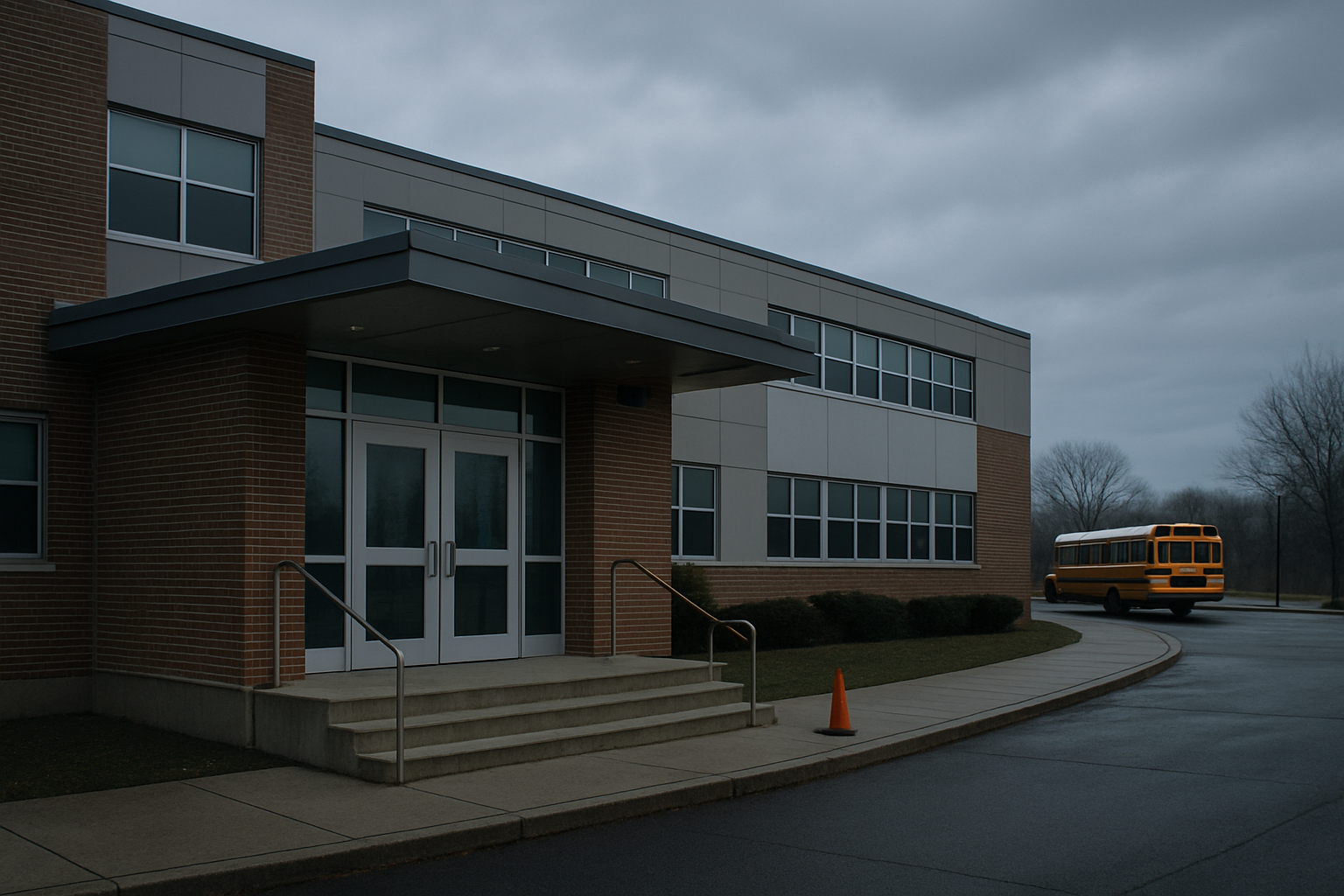
Introduction
In recent days, news of school closings—especially in Gwinnett County—has surged across headlines, sparking concern and questions among students, parents, educators, and even casual observers. It’s not just about missed classes; these closures carry profound implications for learning, family structures, and local communities.
Given how central schools have become to society—serving as educational, social, and even nutritional hubs—the ripple effects of a single closing can be felt far and wide. Now, as Gwinnett County Schools announce closures, it’s an important moment to pause, analyze, and reflect on the broader story in education and community well-being.
What's Happening
Gwinnett County, Georgia's largest school district, has recently announced temporary school closures. The reasons for these decisions vary, ranging from public health concerns to severe weather and infrastructure issues. News outlets are regularly updating lists of confirmed closings, causing schedules to shift suddenly and leaving many residents re-evaluating day-to-day life.
- Public Health: Ongoing illness outbreaks or concerns about safe conditions have previously prompted school closures in many districts, Gwinnett included.
- Weather Events: Severe storms, flooding, or icy conditions often force rapid decisions to close buildings for student safety.
- Logistics and Staffing: Shortages among teachers, bus drivers, and support staff can make safe operation impossible, influencing short-notice closures.
For parents and students, these closures are often announced via websites, local news, and school district alert systems. While meant to protect, they also cause disruption: shifting work plans, childcare, and home routines—sometimes with little advanced notice.
Local authorities stress that every school closing is a measured choice, balancing safety against the educational needs of 180,000+ students in Gwinnett County alone. Decisions are often made late in the day or early morning to capture the latest data before finalizing closures.
Why This Matters
School closings aren’t just about a day off from learning—they set off a chain reaction affecting families, teachers, employers, and the broader community. When schools shutter, parents scramble for emergency childcare or risk lost wages if they can't work remotely. Vulnerable students may lose access to critical services like free meals and counseling.
As closures become more frequent, questions about educational continuity, equity, and the mental health of students and teachers come to the forefront. Long-term patterns of disruption can widen achievement gaps and stress family support systems.
Different Perspectives
Parents' Perspective
Many parents express support for closures when student safety is at risk, but worry about lost instructional time and balancing work-life commitments. For working families, unanticipated closings present real financial and logistical challenges.



