
Introduction
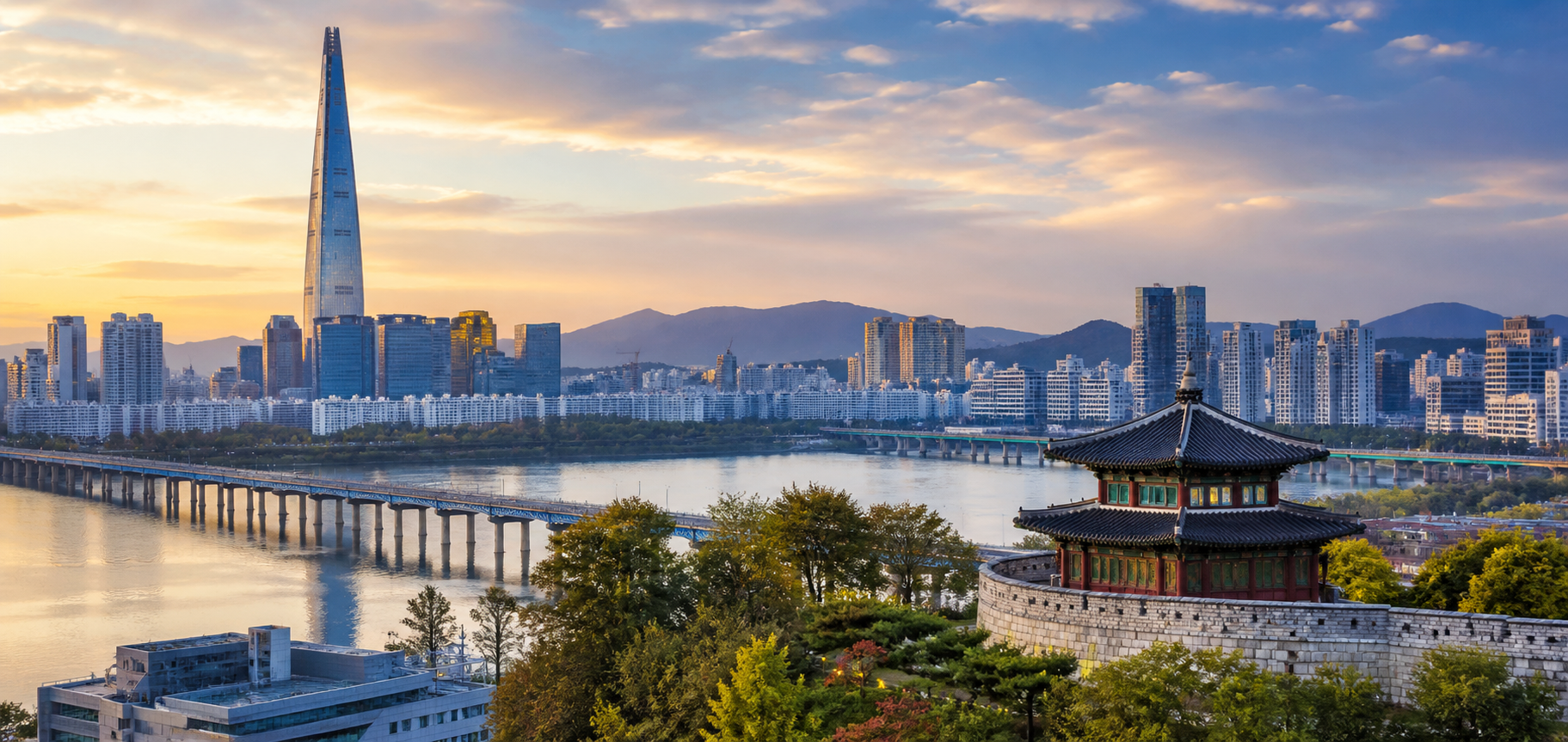
Seoul is making global headlines, with recent events intertwining the city’s fate with world politics—a dynamic shaped by tense relationships with North Korea, U.S. diplomacy, and Seoul’s own rise as a cultural and technological powerhouse.
I find this fascinating because Seoul stands at the intersection of tradition and innovation, peace and tension, making it a critical barometer for East Asian—if not global—stability and influence.
Key Takeaways
- Seoul's strategic location makes it central to geopolitics in East Asia.
- Recent developments involving Kim Jong Un and Donald Trump renew focus on the Korean peninsula’s fragile peace.
- South Korea leverages cultural, economic, and technological influence beyond its borders.
- Security concerns remain prominent, with Seoul frequently under the shadow of North Korean rhetoric and militarization.
- How Seoul navigates diplomatic engagement will shape regional and global outcomes.
What's Happening
Seoul, South Korea’s bustling capital, is at the center of heightened international attention. Increased activities from North Korea—such as missile launches and assertive statements by Kim Jong Un—have kept the city on high alert. U.S. political figures like Donald Trump continue to reference Seoul in debates over foreign policy, security commitments, and diplomacy in East Asia.
South Korea’s rapid modernization has made Seoul a leader in innovation, from technology to pop culture, and its governments seek to balance economic progress with ever-present security threats. Talks about military exercises, possible peace summits, and moments of both tension and rapprochement with Pyongyang regularly put Seoul under the global spotlight.
- Recent U.S.-South Korea military exercises prompted responses from North Korea.
- Donald Trump’s statements about American troop presence reignited debates on alliance stability.
- Seoul continues to advocate for peace processes while strengthening defensive postures.
International interest is further fueled by South Korea’s position as a democratic counterweight to its northern neighbor and an economic powerhouse in the global supply chain.
Why This Matters
Seoul’s prominence isn’t just about geography. The city is a window into the wider regional contest between democracy and authoritarianism, economic integration, and the perennial threat of renewed conflict.
With millions of civilians living within range of North Korean artillery, Seoul embodies both the risks and the aspirations of a divided peninsula. Its decisions and alliances influence global markets, security frameworks, and diplomatic norms, especially at a time when U.S. foreign policy remains in flux.
Different Perspectives
South Korean Government
Seoul’s leadership seeks stability and prosperity, advocating for engagement with North Korea but prioritizing national security and alliance with the U.S. The government navigates public anxiety and optimism as it balances these urgent priorities.
North Korea
From Pyongyang’s viewpoint, Seoul is both rival and potential partner. Kim Jong Un’s regime leverages threats and provocations for negotiation power, often highlighting Seoul’s military and economic ties with the U.S. as provocations in themselves.
United States
Successive American administrations—including outspoken figures like Donald Trump—see Seoul as a crucial ally in Asia, though debates continue over shared defense costs and the scope of military commitments.
International Observers
Regional powers such as China and Japan watch Seoul’s moves closely, aware that any instability impacts trade, migration, and security dynamics throughout Asia-Pacific.



