
Introduction
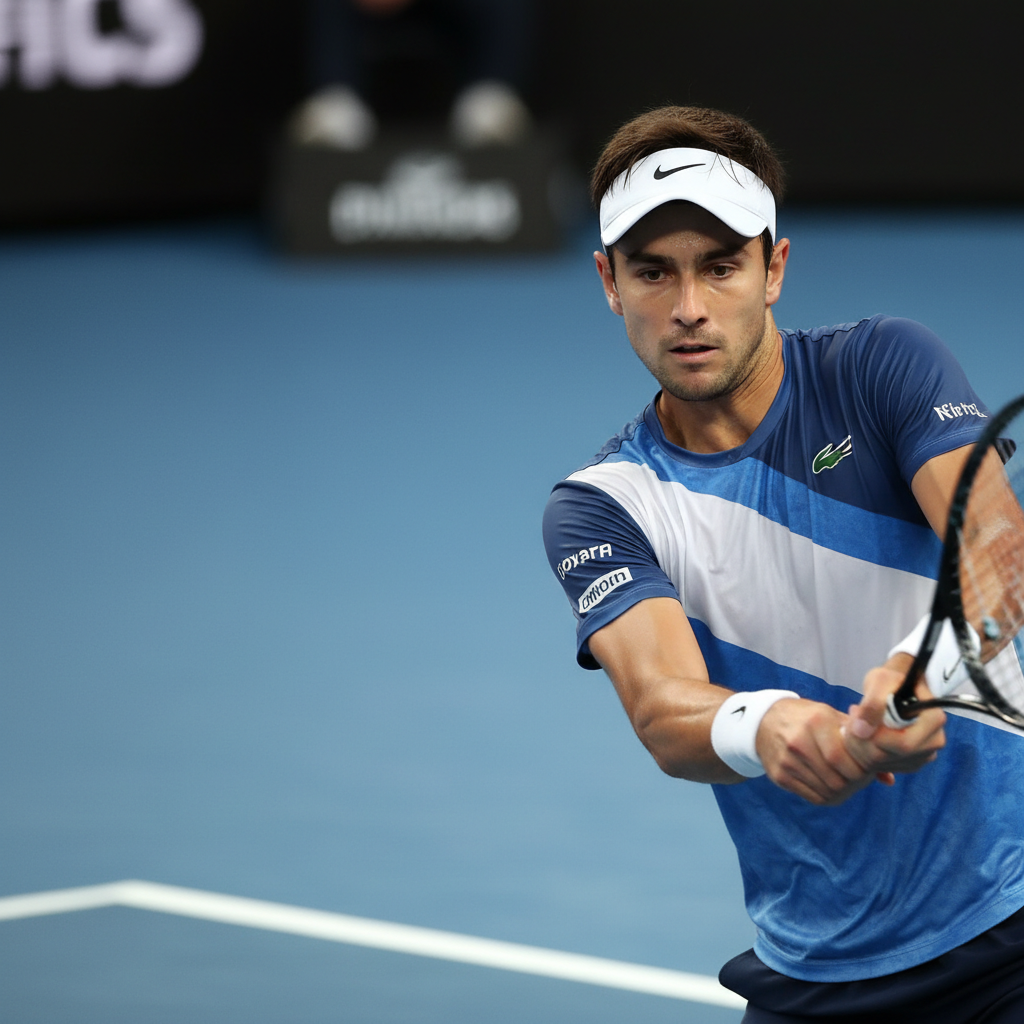
Denis Shapovalov's name is resonating through the tennis world once again. As a young Canadian star with a flair for the dramatic and a one-handed backhand that's become his signature, Shapovalov captivates both fans and critics. Recent tournaments and headlines have refocused attention on his journey — highlighting not only his driven gameplay but also the complex path he's walked between promise and adversity.
What draws me to Shapovalov’s story isn’t just his on-court brilliance, but the underlying tension between expectation and progress. With each match, he seems to represent not only Canadian hopes but also the new wave of global tennis talent rising to challenge the old guard. His current trajectory offers a fascinating glimpse into how modern athletes handle the spotlight, setbacks, and shifting public narratives—all at lightning speed.
What's Happening
Denis Shapovalov, once dubbed a "next-gen" ATP superstar, has caught headlines recently following his return from injury, fluctuating form, and candid press interviews. At just 25, he’s already experienced the highs of a Wimbledon semifinal run and the lows of recurring knee issues and inconsistent results. Let’s break down the essentials:
- Return to Competition: After months away due to injury—specifically patellofemoral pain syndrome—Shapovalov made his comeback in early 2024, sparking conversations about his health and future potential.
- Grand Slam Performances: His deep runs, notably at Wimbledon 2021, established him as a potential major winner. However, recent Grand Slam exits have reignited questions about consistency.
- Off-Court Presence: Known for his candidness, Shapovalov has spoken openly about injury struggles and mental health—signaling a broader cultural shift among athletes willing to discuss vulnerabilities.
- Davis Cup Impact: As a core member of Team Canada, Shapovalov played a crucial role in the nation’s historic run to the Davis Cup title in 2022, cementing his legacy in Canadian tennis history.
These developments have kept Shapovalov in the spotlight as observers watch to see whether he'll fulfill the predictions made at the outset of his career or blaze a more unpredictable trail.
Why This Matters
For fans and analysts alike, Shapovalov’s journey embodies the evolving nature of professional tennis and athlete identity. His not-so-linear climb illustrates the immense physical and psychological demands placed on young athletes in the public eye. With social media amplifying every victory and setback, the pressures are unprecedented.
Moreover, the fate of players like Shapovalov sends ripples throughout the broader tennis community, especially in countries like Canada, where tennis is still an emerging sport. Success or setback can inspire a generation—or prompt a reexamination of how national systems support rising stars.
Finally, as conversations around athlete well-being take center stage, Shapovalov’s honesty on mental health and injury highlights a shift in how sportspeople—and those who cover them—navigate vulnerability and resilience.
Different Perspectives
Optimistic Fans
Some see Shapovalov as a sleeping giant, poised to recapture form and vie for Grand Slam titles once health aligns with his ambitions. His explosive playing style and crowd-pleasing attitude maintain hope for a breakthrough moment.



