
Introduction
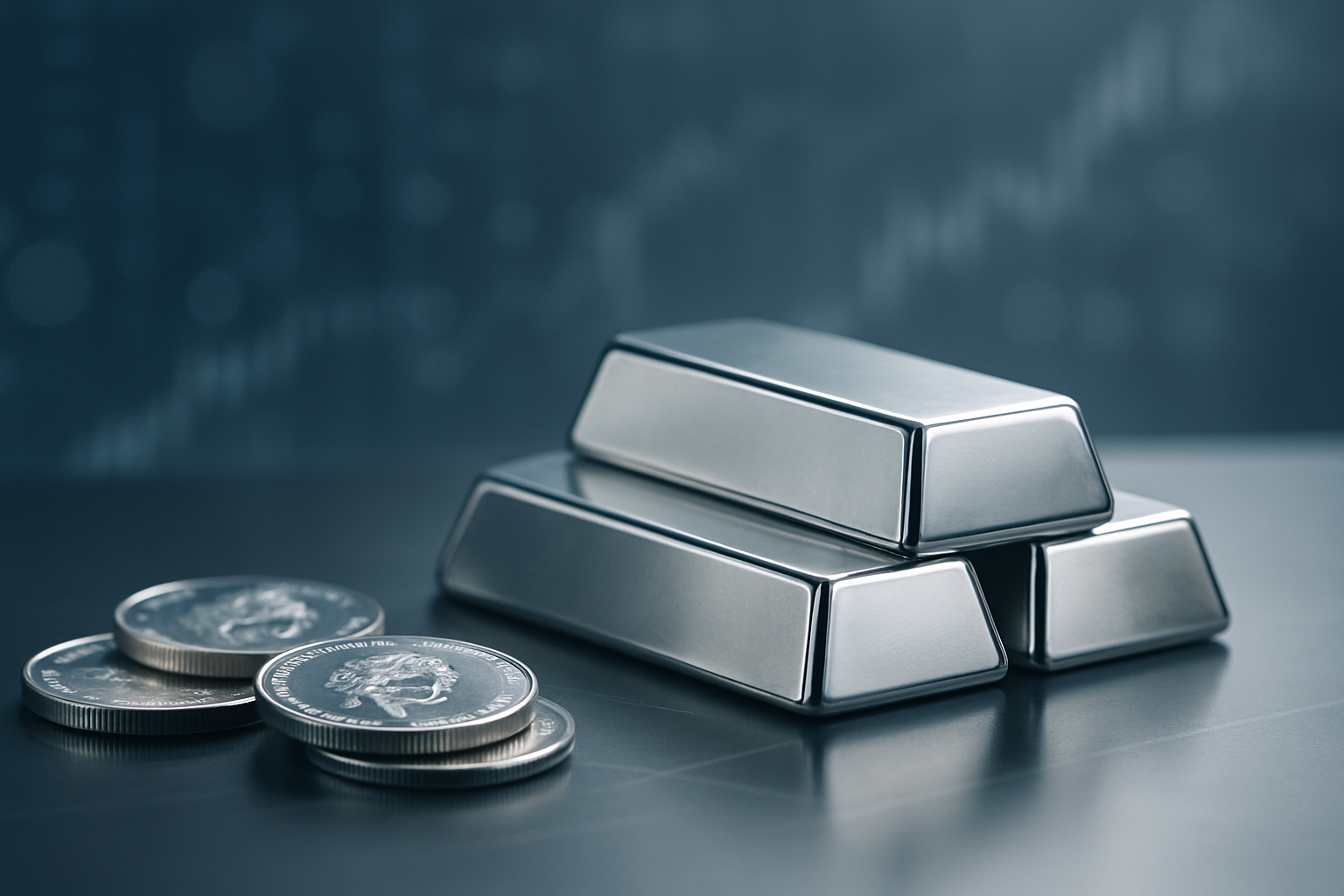
Silver's price is back in the spotlight today, swinging with fresh volatility that has both investors and everyday observers asking: what's fueling these sharp moves? As headlines report on surging interest in SLV stock and physical silver, the metal’s role as both an industrial commodity and a safe haven asset means its value can shift rapidly, echoing broader economic anxieties and hopes.
I find this moment for silver particularly fascinating. From inflation worries to changing technology needs, silver sits at the intersection of global forces—not just a bar of metal in a vault. Let’s explore what’s happening with silver prices today, the ripple effects across the market, and what makes this more than just another market headline.
What's Happening
Today, silver prices are experiencing notable fluctuations. The metal is trading above $29 per ounce for the first time in over a decade, drawing attention from both retail and institutional investors. Meanwhile, SLV stock, the largest silver-backed exchange-traded fund (ETF), is seeing unusual trading volumes.
- Spot silver prices surged as much as 15% in the last month, outpacing gold and many major equity indices.
- The iShares Silver Trust (SLV) ETF is trending on financial news platforms, with increased inflows from retail investors rallying around the narrative of silver as an undervalued store of value.
- Industrial demand for silver, particularly in solar energy and electronics manufacturing, remains strong, keeping pressure on supplies.
- Speculation on online forums is fueling short-term demand, echoing past social-media driven market movements.
These dynamics combine to create a perfect storm: supply chain constraints bump against rising enthusiasm for silver as both a speculative asset and an inflation hedge.
Underlying all of this is a backdrop of economic uncertainty. Central banks maintaining high interest rates, global political instability, and continuing concerns about inflation have increased silver’s appeal as a hedge and a potential growth asset. As a result, SLV and similar funds are becoming a popular playground for active traders and long-term investors alike.
Why This Matters
Silver’s price movements have wide-ranging consequences. Unlike gold, silver’s dual role adds complexity: its industrial demand links it to economic growth, while its history as a monetary metal ties it to concerns about financial stability and currency debasement.
Rising silver prices mean higher costs for manufacturers, especially those in the electronics and renewable energy sectors. For investors, volatility presents both risk and opportunity, while consumers might ultimately feel the impact through increased prices in tech and solar goods.
Furthermore, when crowds flock to financial products like SLV, it can amplify price swings—sometimes causing a feedback loop that affects not only traders, but also supply chains and global economic forecasts.
Different Perspectives
Traditional Investors
Many see the current surge in silver as a classic safe-haven play, driven by inflation fears and geopolitical risk. They view silver as a portfolio diversifier alongside gold, especially when equities are turbulent.



