
Introduction
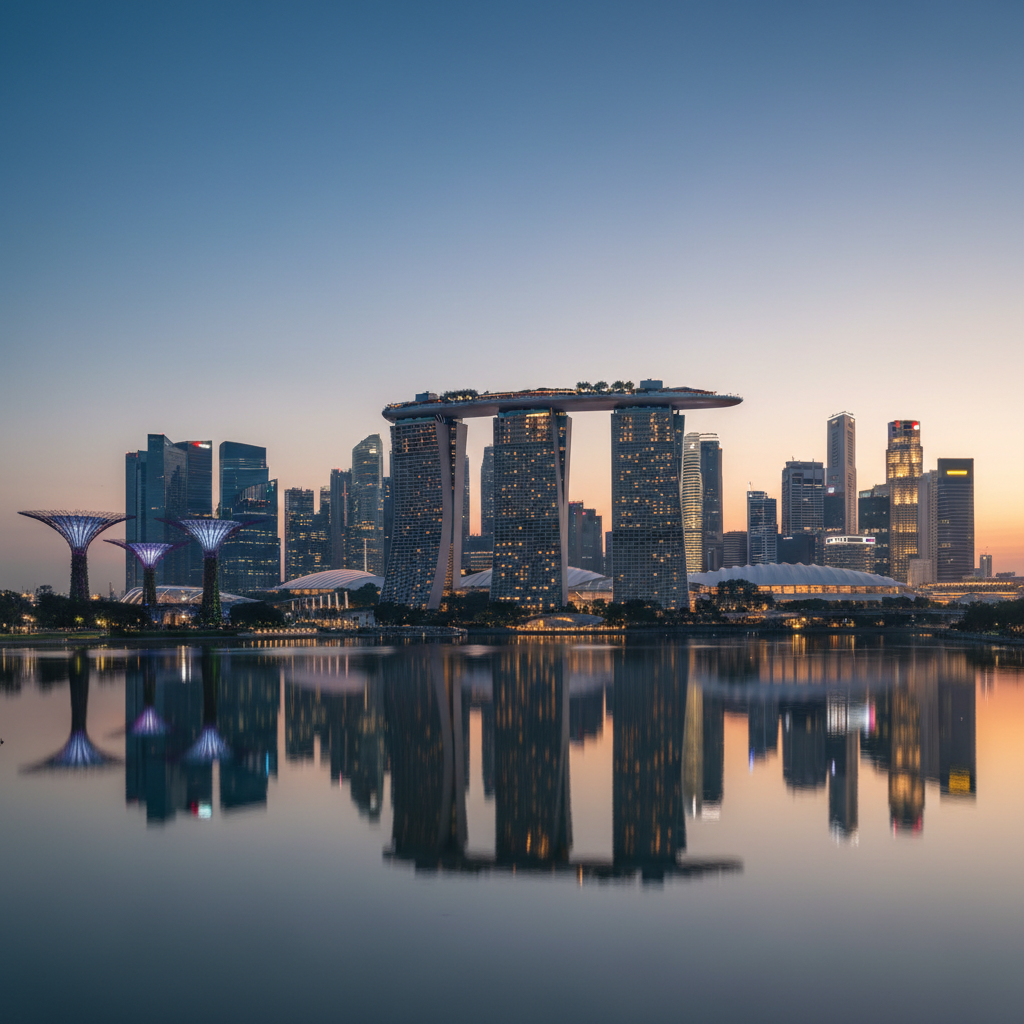
Singapore is frequently in the international spotlight, often described as a powerhouse city-state and a model for urban innovation. With its iconic skyline and reputation for efficiency, Singapore’s successes and challenges capture global attention. But what lies beneath the surface of this remarkable city?
Today, Singapore faces a complex set of opportunities and trials—from technological leaps and population growth to sustainability, geopolitics, and shifting identities. The city’s ongoing evolution makes it a fascinating case study for anyone interested in the future of cities, economics, or society.
What's Happening
Singapore continues to punch above its weight on the world stage. Once a sleepy port, it’s now a global financial hub, a leader in smart city development, and a melting pot of cultures. Recent years have seen especially dynamic developments:
- Economic Growth: Despite global slowdowns, Singapore’s economy remains resilient, with key sectors like finance, biotech, and tech services thriving.
- Smart Nation Push: The government’s “Smart Nation” initiative is expanding, with investments in AI, robotics, and urban data solutions. Cashless payments, digital identity, and green mobility are part of daily life.
- Demographic Shifts: As the population ages and birth rates fall, there’s a national conversation about immigration, talent retention, and social cohesion.
- Geopolitical Juggling: Singapore expertly navigates between China, the United States, and ASEAN neighbors, seeking balance and stability amidst intensifying regional competition.
- Environmental Innovations: With land scarcity and a tropical climate, Singapore pioneers vertical farming, water recycling, and green architecture to support sustainable growth.
The COVID-19 pandemic tested Singapore’s famed efficiency, revealing both remarkable strengths and points of social tension—especially around migrant worker welfare and economic inequality.
Why This Matters
Singapore’s story matters far beyond its borders. As a microcosm of global trends—urbanization, multiculturalism, technological transformation—it offers insights into what’s possible and what’s difficult for cities worldwide.
Its ability to adapt, reinvent, and balance the public good with private interests sets a benchmark for policymakers and citizens elsewhere. Yet, its very success invites scrutiny on issues like freedom of expression, affordable housing, and socioeconomic divides—which many growing cities can relate to.
Different Perspectives
The Admirers
To many, Singapore epitomizes the rewards of good governance and strategic foresight. International businesses applaud its openness, rule of law, and safety. Urbanists cite it as a smart city prototype, particularly for integrating technology and greenery.



