
Introduction
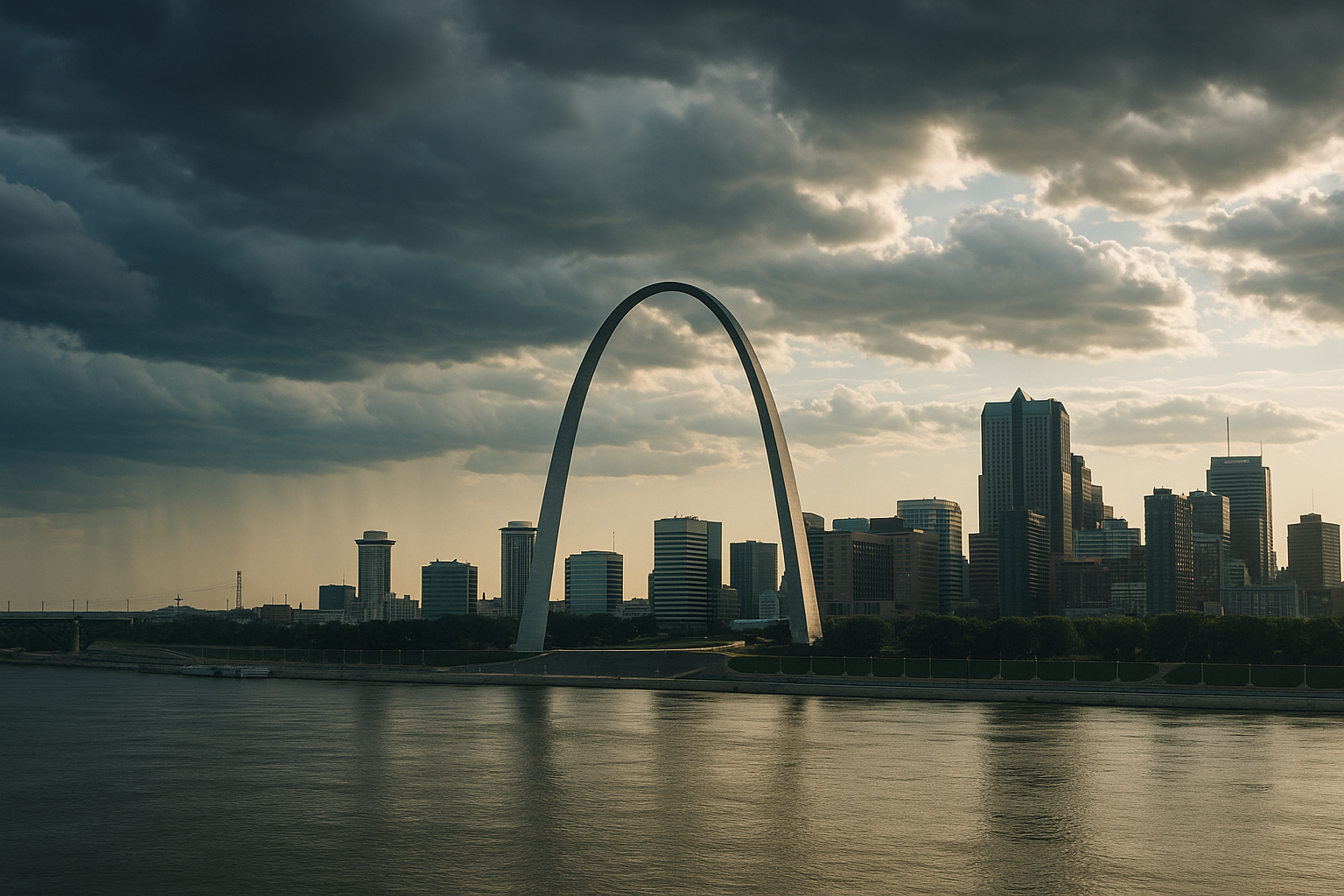
St. Louis weather has a reputation for keeping everyone guessing. From sudden temperature swings to dramatic storms, this city in the heartland of America often experiences it all—sometimes in rapid succession. As climate topics trend nationwide, St. Louis's unique meteorological profile is drawing renewed attention, especially after several record-breaking events in recent years.
I think it's important to shed light on why St. Louis's weather is so unpredictable, what recent changes mean for daily life, and how residents and experts alike are responding to the shifting climate landscape. Whether you're a lifelong local or a curious observer, understanding these patterns has never felt more relevant.
What's Happening
St. Louis sits at the crossroads of multiple air masses—arctic, Gulf, and continental—creating a battleground for weather systems. The city's location makes it susceptible to rapid changes, from unseasonably warm spells in winter to severe thunderstorms and tornadoes during the spring and summer.
- Recent weather extremes: 2023 saw historic flooding, disrupting neighborhoods and infrastructure. Unusual heatwaves have pushed local temperatures above normal, with the city experiencing several days above 100°F in the most recent summer.
- Unpredictable transitions: Residents often joke you can experience all four seasons in a single week. This volatility can complicate things like travel, school closures, and outdoor plans.
- Increasing climate variability: Local meteorologists and national agencies, such as the National Weather Service, are reporting greater swings between wet and dry conditions as well as heightened storm activity.
- Public adaptation: The city has rolled out updated emergency systems and weather alert protocols. Community groups are raising awareness about dangers like flash flooding and heat safety.
All these factors combine to make St. Louis a fascinating case study for weather watchers and climate scientists alike.
Why This Matters
Weather isn’t just small talk in St. Louis—it’s a critical part of daily decision-making. Extreme events like flash floods and heat waves disrupt transportation, damage property, and, in severe cases, threaten lives. With elderly populations and children particularly vulnerable, managing these risks becomes a public health priority.
These changing patterns have economic implications, too. Insurance rates, energy use for heating and cooling, as well as the costs of road maintenance and storm cleanup, all rise as severe weather events increase. For a city already facing infrastructure challenges, climate volatility presents new hurdles that require innovative solutions.
Different Perspectives
Local Residents
Many residents express pride in their ability to handle “anything” the sky throws at them, but there’s growing concern about unpredictability. Some say they're adapting by staying “weather-aware” and keeping emergency kits handy.
Scientists and Meteorologists
Experts highlight that while variability is normal for the region, the frequency and severity of extremes are increasing. They advocate for more climate research and emphasize the importance of readiness over complacency.



