
Introduction
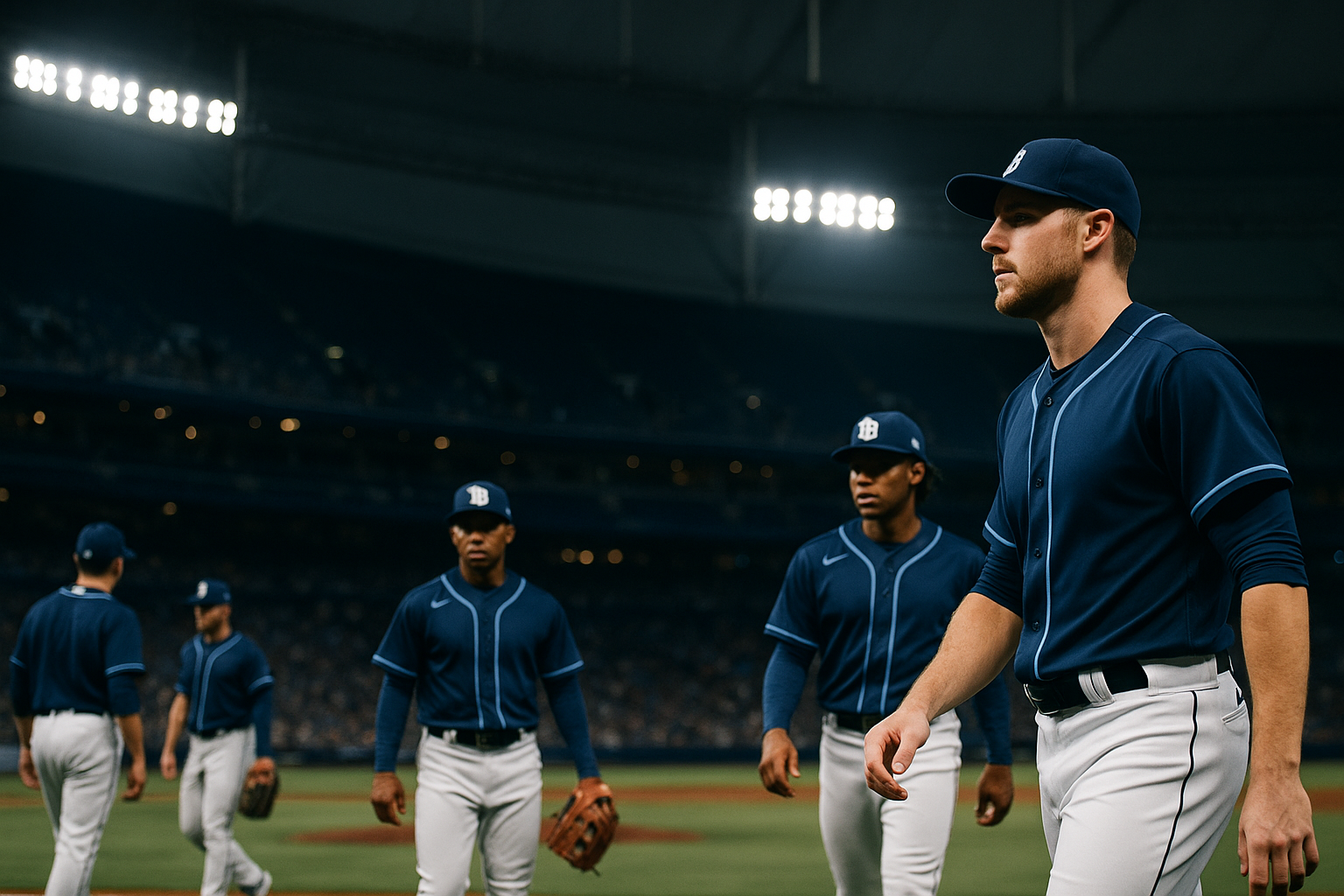
Few teams in Major League Baseball surprise analysts year after year quite like the Tampa Bay Rays. Despite one of the league’s lowest payrolls and a market often overshadowed by larger cities, the Rays consistently field highly competitive teams. Their unique blend of innovation and resilience makes them one of the most fascinating franchises in the game.
In a season marked by dramatic shifts—roster shakeups, standout prospects, and stadium debates—the Rays exemplify how sports organizations can thrive outside conventional systems. Why are so many fans and commentators watching the Rays so closely right now? I find this fascinating, because it touches on not only baseball, but also the changing culture of analytics, resourcefulness, and innovation itself.
What's Happening
The Tampa Bay Rays have become a byword for ingenuity in modern baseball. As Spring turns into Summer 2024, they’re in the headlines for several reasons:
- Consistent Overperformance: Despite budget constraints, they have made the postseason five of the last six seasons, including a 2020 World Series appearance.
- Analytical Prowess: The team is famous for its use of data and unconventional tactics, such as "the opener" pitching strategy and defensive shifts.
- Player Development: The Rays are notable for turning unheralded prospects into stars and getting the most out of overlooked veterans.
- Stadium Debate: Ongoing negotiations around building a new ballpark in St. Petersburg remain unresolved, with economic and civic implications.
Recent performances, including an early-season surge and attention-grabbing trades, continue to fuel conversation nationally. Not every gamble has worked—injuries and a fiercely competitive AL East keep the pressure high—but the Rays' approach to overcoming adversity is drawing renewed scrutiny and admiration.
Why This Matters
The Rays embody challenges that resonate far beyond baseball. In a world where resources are rarely distributed equally, their ability to compete with far richer franchises demonstrates how adaptability and clever strategy can disrupt traditional hierarchies.
Their commitment to analytics has shifted how other teams think about roster construction and in-game management. This influence reaches both field and front office, with many former Rays executives now leading other MLB organizations. What happens in Tampa doesn’t stay in Tampa—it quietly reshapes how the league runs from top to bottom.
Different Perspectives
The Rays as Model Innovators
Some argue the Rays represent the future of baseball. Their creativity, cost-effectiveness, and willingness to defy norms are seen as not just efficient, but necessary for small-market survival. For these fans and analysts, the Rays’ success is proof that innovation trumps big spending.



