
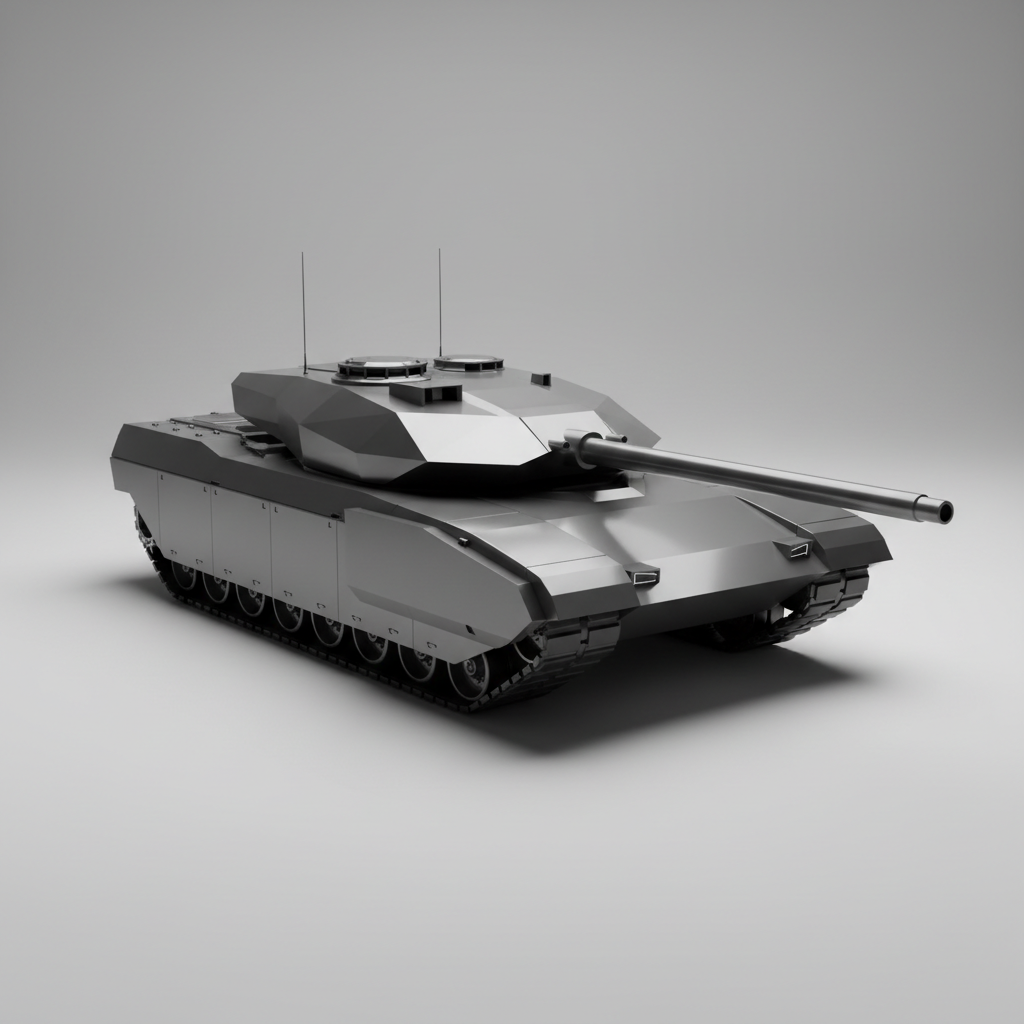
Introduction
Few machines have captured the human imagination — or dominated battlefields — quite like the tank. From the gritty trenches of World War I to the modern headlines out of Ukraine, tanks have symbolized both technological might and the human cost of conflict.
But tanks are not just engines of war. They influence political calculations, spark technological innovation, and even shape pop culture. Today, as new conflicts arise and nations rethink their defense strategies, the spotlight is back on these armored behemoths — making it a perfect time to examine why tanks matter now, and what their future might hold.
What's Happening
Over the last two years, tanks have re-entered global discourse for several reasons:
- Ukraine War: The Russian invasion of Ukraine has put tank warfare front and center, with both sides deploying, destroying, and capturing hundreds of tanks.
- Arms Deliveries: Western countries, including Germany, the UK, and the US, have sent advanced tanks like the Leopard 2 and Abrams to Ukraine, raising debates about effectiveness and escalation.
- Tech Advances: New tank models — featuring improved armor, AI targeting, and drone integration — are being tested and deployed from Europe to Asia.
- Viral Moments: Social media is filled with footage of tanks in action, from dramatic successes to high-profile failures.
Historically, the tank was developed in World War I as a way to break the deadlock of trench warfare. Since then, tanks have become symbols of national power, prestige, and innovation. The current debates focus not only on their battlefield role, but also their political and symbolic weight in a changing world.
Why This Matters
Tanks influence more than military strategy — they affect global security, budgets, and public opinion. The sheer cost of modern tanks prompts tough decisions for governments, while battlefield performance shapes defense policy across continents.
For Ukraine and its allies, tanks are lifelines. For manufacturers and strategists, tanks represent both legacy and risk: invest in upgrades, or shift resources to drones and cyberwarfare? For everyday people, the presence (or absence) of tanks often makes the difference between occupation and autonomy.
Different Perspectives
Military Strategists
Many see tanks as central to ground warfare, providing mobility, firepower, and protection. With modern upgrades, they believe tanks will remain effective — but only with combined support from infantry, drones, and air cover.



