
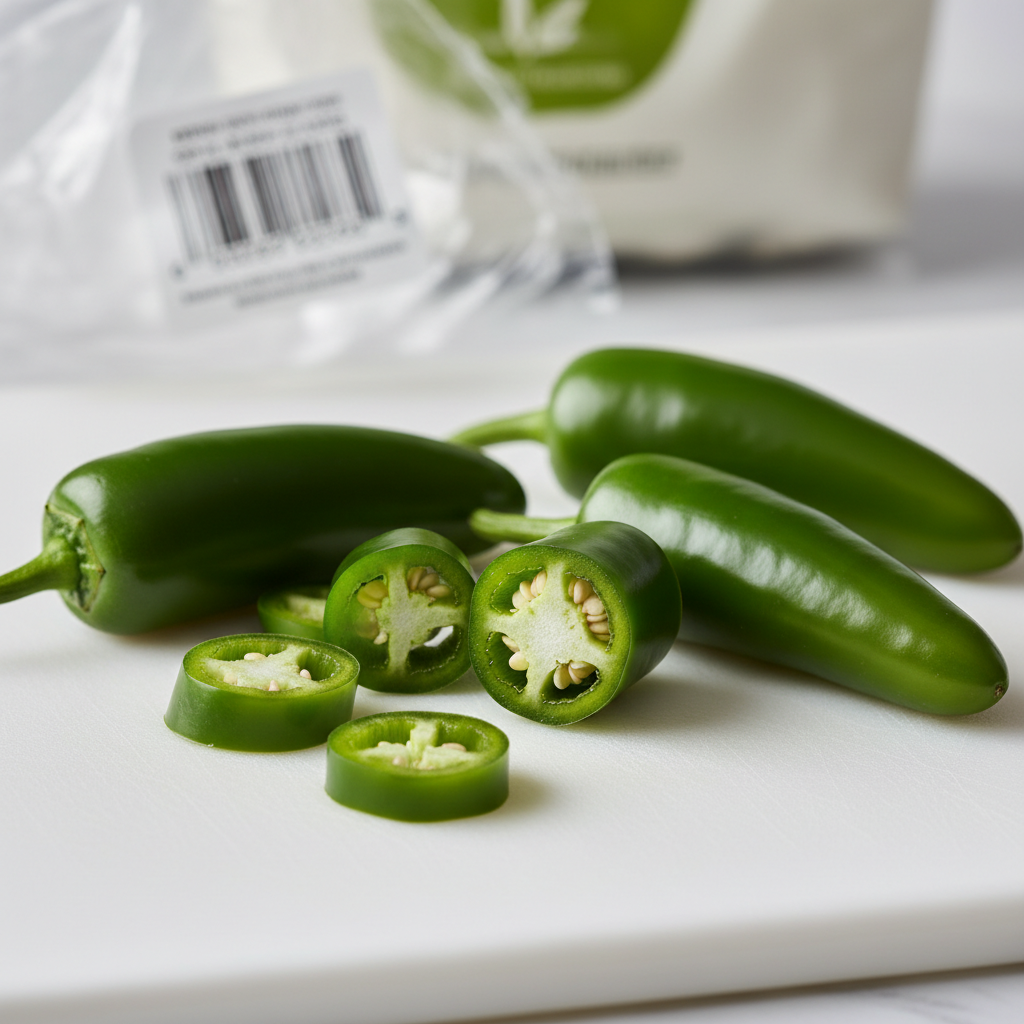
Introduction
Food recalls are always unsettling, especially when they involve ingredients as common—and beloved—as jalapeños. The recent Taylor Farms jalapeño recall due to salmonella contamination has quickly become a trending topic, raising questions about food safety, supply chain oversight, and what it means for shoppers, restaurants, and the wider produce industry.
Why does this recall matter so much right now? With fresh produce forming the backbone of countless meals and snacking routines, a salmonella alert reverberates through kitchens and businesses alike. I find the intersection of public health, regulatory response, and consumer behavior in moments like these particularly fascinating—there’s much more than meets the eye.
What's Happening
Taylor Farms, a major supplier of fresh-cut vegetables and salads in North America, announced a recall of its jalapeño peppers after routine testing detected the presence of salmonella. The Centers for Disease Control and Prevention (CDC) and the U.S. Food and Drug Administration (FDA) are investigating the incident closely.
- Products Involved: Pre-packaged jalapeño peppers supplied by Taylor Farms, distributed to a variety of retail locations and foodservice providers.
- Reason for Recall: Detection of salmonella in a batch during routine quality checks.
- Recall Scope: Certain products with specified lot numbers and best-by dates. The recall has been publicized nationally, with some stores already pulling affected items from shelves.
- Health Impact: Salmonella can cause symptoms like fever, diarrhea, and abdominal cramps. Vulnerable groups—young children, elderly, and immunocompromised individuals—are at greater risk of severe complications.
The recall was initiated as a precautionary step, and as of now, there have been no confirmed reports of illness associated with these specific jalapeños. However, authorities are urging consumers to check product labels and avoid eating or serving any potentially affected peppers.
Taylor Farms has pledged full cooperation with health officials, emphasizing a commitment to safety and transparency throughout the recall process. As investigations continue, more updates on the scope and cause of contamination are expected.
Why This Matters
This recall underscores ongoing concerns about food safety and the robustness of supply chain management in the fresh produce sector. For consumers, there’s an immediate worry: could this happen with other items commonly bought at the supermarket, or with ingredients ordered at their favorite restaurants?
For the industry, it’s a wake-up call about the challenges in preventing bacterial contamination even with modern testing methods. Retailers, restaurants, and cafeterias face not only logistical headaches in pulling products but also the challenge of regaining customer trust. Workers along every link of the chain—from farms to packing plants—may see increased scrutiny and altered protocols in the wake of such news.
What strikes me is how each high-profile recall multiplies pressure for ever-more robust traceability and rapid response systems—innovations that may define the future of food production and safety monitoring.
Different Perspectives
Consumer Concerns
Many shoppers express frustration and anxiety. There’s a strong desire for clearer labeling and faster communication about recalled items, especially since fresh produce is often bought in bulk or loose format, making traceability at the home fridge challenging.



