Introduction
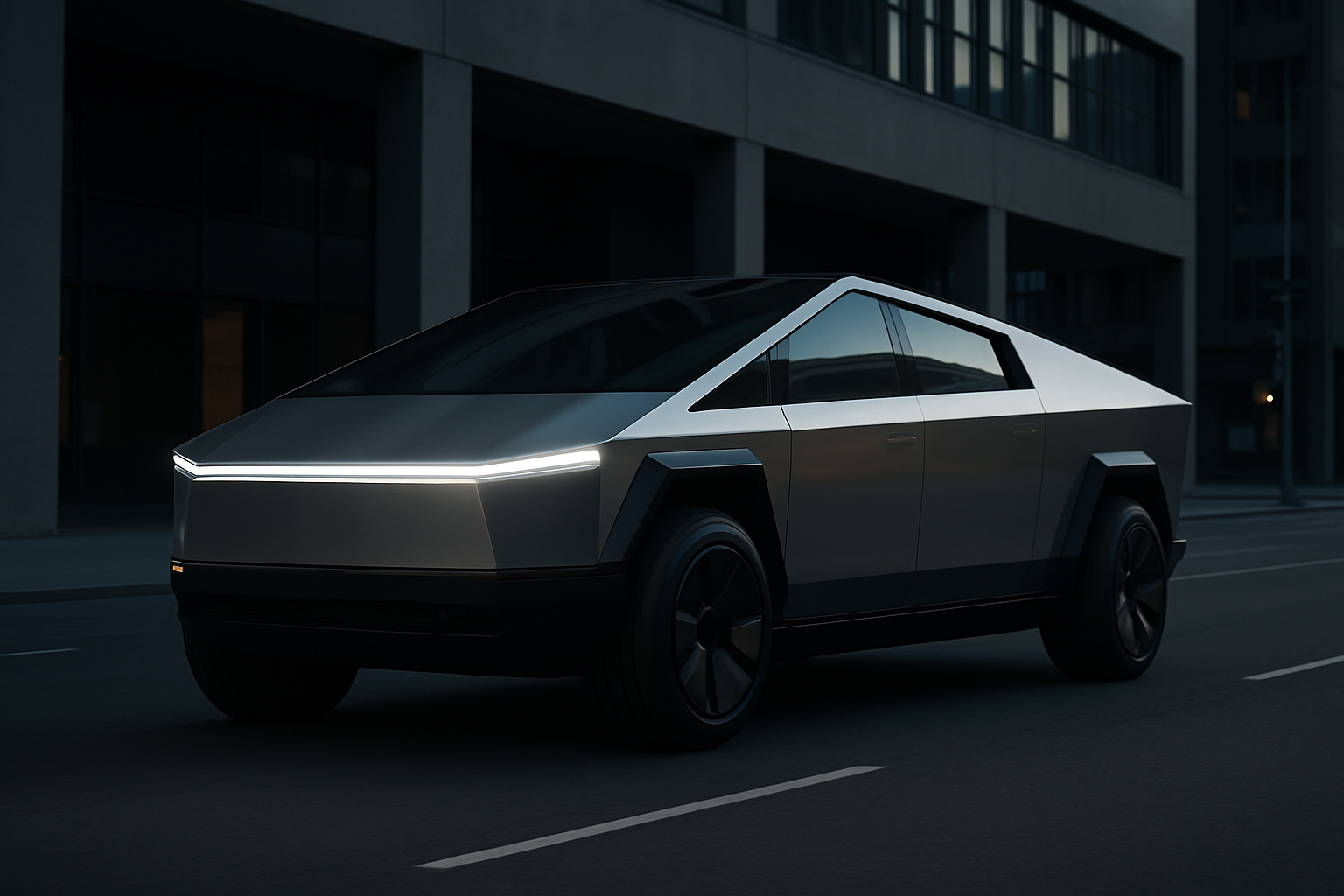
The Tesla Cybertruck has dominated headlines since its spectacular launch, but recently, it’s real-world endurance that’s putting the bold EV to the test. From Lyft drivers racking up 100,000 miles in a single year to the surprise repair bills that follow, Cybertruck’s next chapter is unfolding on America’s roads—sometimes more bumpy than expected.
As someone who spends a lot of time parsing trends and public sentiment, I find this current moment for the Cybertruck crucial. It’s not just about a flashy design or viral marketing—it’s about whether this futuristic EV can truly deliver on promise and durability when put through daily, demanding use. Will Cybertruck owners face even more surprises ahead, or is this just part of any vehicle’s growing pains?
What's Happening
Recent news has spotlighted the Tesla Cybertruck’s performance under heavy use. One owner, a Lyft driver, reportedly drove his Cybertruck for 100,000 miles within a year—a feat notable for any vehicle, particularly a cutting-edge EV model still in its infancy.
- High Mileage, High Repair Costs: After reaching the 100,000-mile milestone, the owner received a repair bill of $7,200—a figure that ignited debate over Tesla’s long-term value proposition.
- Recurring Issues: Owners have reported failures and glitches such as Power Conversion System (PCS) malfunctions, which led Tesla to deploy an over-the-air (OTA) software update and offer free supercharging credits as a temporary measure.
- Fleet and Commercial Use: Early adopters using their Cybertrucks for rideshare or commercial purposes are bringing unexpected wear-and-tear issues to the surface more quickly than private owners might.
- Tesla’s Response: Tesla’s remarkable ability to push OTA fixes demonstrates their agile support framework, but physical repairs and part replacement costs are still high and subject to owner frustration.
What’s clear is that the Cybertruck isn’t just a statement piece—it’s a live experiment in how next-generation EVs will (or won’t) hold up under real pressure.
Why This Matters
The Cybertruck’s trials are more than a niche concern for a few tech enthusiasts: they’re a barometer for the future of mainstream electric vehicles. For many, Tesla’s reputation for innovation is on the line—not just with aesthetics, but with the nuts and bolts of reliability, affordability, and total cost of ownership.
Consumers, fleet managers, and investors alike are watching these early stories closely. Unpredictable repair costs or widespread part failures could temper the optimism that’s fueled Tesla’s market position so far. Conversely, if Tesla manages to resolve these issues with transparency and affordable solutions, it could set a new bar for the EV industry as a whole.
Different Perspectives
Early Adopters’ View
Some Cybertruck owners remain enthusiastic, seeing glitches and breakdowns as the price of innovation. For this group, Tesla’s responsive software updates and incentives like free supercharging help offset frustrations—though repair costs do sting.
Critics and Skeptics
Detractors argue these issues are symptomatic of pushing technology to market too quickly. High repair costs and initial failures reinforce fears that EVs might not live up to their hype, especially for heavy users or those needing commercial reliability.