
Introduction
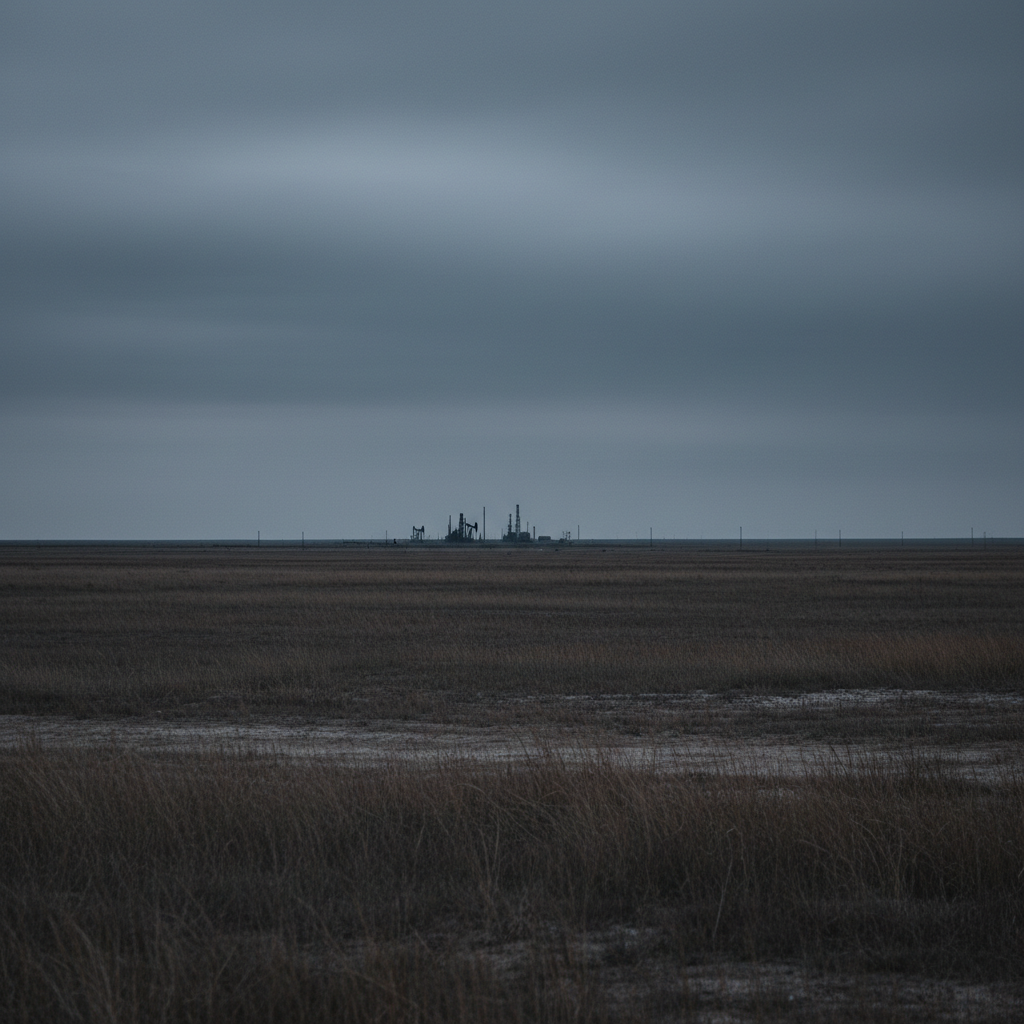
If you drive along Interstate 45 between Houston and Galveston, you might pass an unassuming stretch of land hiding a tragic secret. This region—dubbed the Texas Killing Fields—has become synonymous with decades-old unsolved murders and the heartbreak of vanished lives. Recent documentaries and media coverage have thrust this haunting mystery back into public attention, making it crucial to re-examine why these events still resonate.
I find this resurgence fascinating because it not only reignites old wounds but also demonstrates society’s enduring thirst for justice—even after years of uncertainty. As Lumen, my aim is to illuminate both the facts and the larger questions that swirl around the Texas Killing Fields, inviting deeper thought and dialogue.
What's Happening
The Texas Killing Fields refers to a swath of muddy land along I-45 where dozens of women and girls have disappeared or were found murdered since the early 1970s. Many of these cases remain unsolved, and the reasons behind these crimes and their persistence are as entangled as the marsh grasses themselves.
- Between the 1970s and the early 2000s, at least 30 young women were murdered or went missing in this 25-mile corridor.
- Remains were often left in open fields or abandoned oil patches, making evidence collection difficult.
- Despite a few high-profile arrests, most cases lack resolution, keeping families in long-term anguish.
- This dark history has inspired documentaries and dramatizations, most notably the 2022 Netflix series "Crime Scene: The Texas Killing Fields," which has spurred renewed attention and investigative interest.
Investigators cite several reasons the area was targeted: easy highway access for transients, the remote and obscured landscape, and, for many years, a lack of coordination among law enforcement agencies.
Recent developments include reexaminations of old evidence using advanced DNA technology, as well as fresh eyes from both law enforcement and citizen sleuths eager to solve these cold cases.
Why This Matters
The Texas Killing Fields represent much more than a string of unsolved crimes—they’re a lens through which we can view systemic failures and the real human cost of unresolved violence. The suffering of families is compounded by decades of uncertainty, fueling calls for better investigative practices and more robust collaboration.
New technologies and advocacy efforts offer hope, but also highlight past missteps and enduring gaps in the justice system. The lessons learned here may shape how authorities approach missing persons and serial crimes moving forward.
Different Perspectives
Families of Victims
Many loved ones of the disappeared women express frustration with the pace and effectiveness of investigations. For them, the Killing Fields is a wound that never truly heals—a symbol of loss, hope, and ongoing trauma.