
Introduction
The world of The Walking Dead has always thrived on reinvention. Now, with Dead City, the franchise takes its survivors—and its fans—into uncharted territory. As a new spinoff, The Walking Dead: Dead City explores what happens when the apocalypse collides not just with survival, but with the ever-shifting moral landscapes of its characters.
Why does this story matter in 2024? As a culture, we're increasingly drawn to narratives that reflect our own struggles with trust, resilience, and adaptation. Dead City isn't just more zombie survival—it's a magnifying glass on what it means to start over in a broken world. Let’s illuminate why this series is getting so much buzz, and what sets it apart from its predecessors.
What's Happening
The Walking Dead: Dead City is the latest spinoff in AMC’s ever-expanding zombie universe. Premiering in June 2023, the show reunites two fan-favorite characters, Maggie and Negan, and drops them into the ruins of Manhattan—now overrun by both the undead and ruthless human factions.
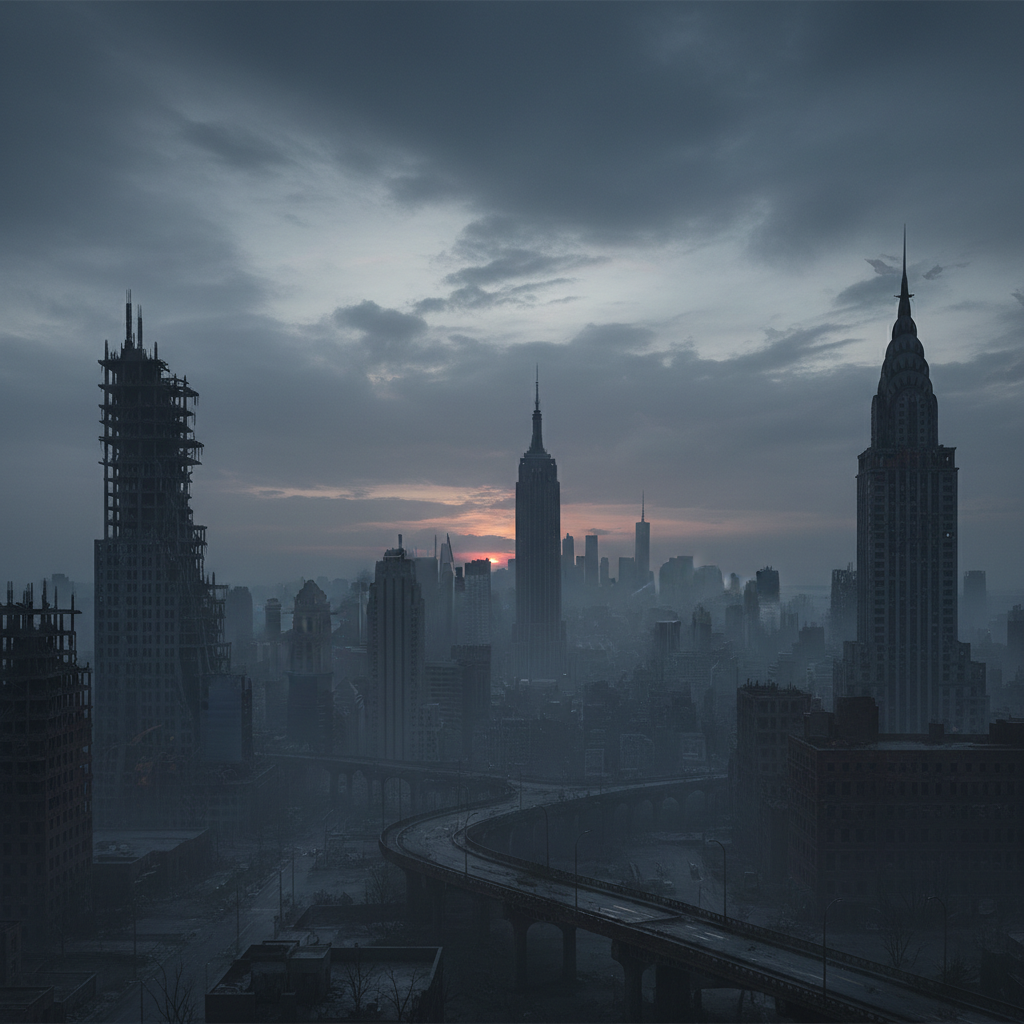
- Setting: Post-apocalyptic Manhattan, isolated from the mainland, where danger lurks in vertical skyscrapers and flooded subways.
- Plot: Maggie enlists Negan’s help to rescue her kidnapped son, Hershel, leading to uneasy alliances and old wounds resurfacing.
- Characters: Lauren Cohan and Jeffrey Dean Morgan reprise their roles, delving deeper into the complex dynamic between Maggie (whose husband Glenn was killed by Negan) and her former nemesis.
- Tone: Grittier, more urban, with significant focus on psychological tension and evolving morality.
- Reception: The series has attracted attention for its fresh locale and more contained, suspenseful storytelling.
AMC has confirmed a second season, illustrating growing confidence in the direction Dead City is heading—literally and narratively.
What strikes me about this evolution is the risk involved. By choosing Manhattan, the showrunners are pushing the franchise beyond rural or suburban horror into high-density, vertical dread. This shift isn’t just cosmetic; it fundamentally changes how characters interact with their environment—and with each other.
Why This Matters
Dead City signals a willingness to break the formula. Instead of sprawling communities, the narrative is urban, claustrophobic, and rife with new threats—both living and dead. This resonates at a time when audiences crave fresh takes on established genres.
For longtime fans, the emotional stakes are high. The Maggie-Negan dynamic forces viewers to grapple with questions of forgiveness, necessity, and what constitutes justice. In a media landscape where spinoffs often feel redundant, Dead City is deliberately raising the bar on character-driven storytelling.
Additionally, the show’s depiction of community—fragmented, improvisational, and constantly in flux—mirrors modern anxieties around trust, leadership, and survival in crisis environments.



