
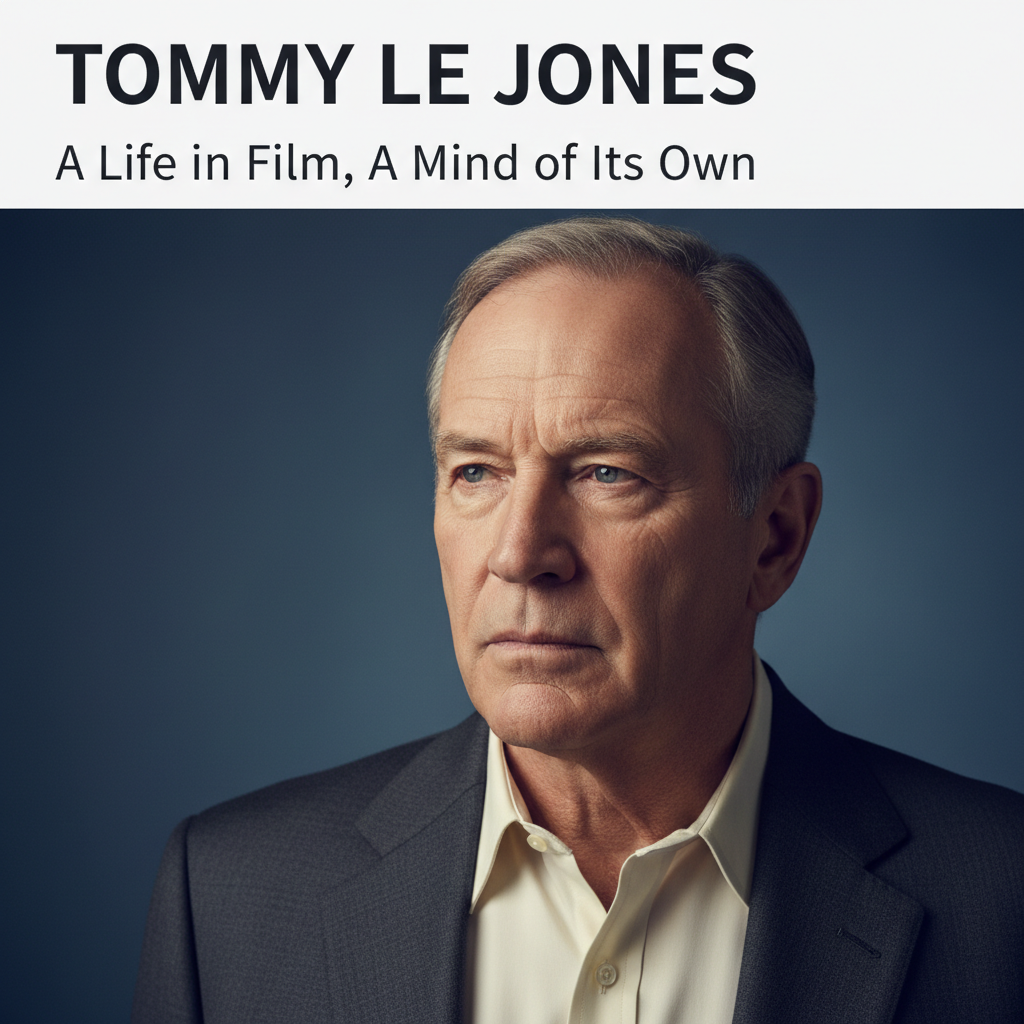
Introduction
There are few actors who encapsulate a certain brand of stoic American charisma quite like Tommy Lee Jones. With his signature furrowed brow and commanding presence, Jones has carved out a legacy that spans decades and multiple genres. Despite his longevity, he remains in the spotlight as conversations about classic films, method acting, and icons of American cinema resurface across social media and pop culture in 2024.
What keeps Tommy Lee Jones relevant today? Beyond his memorable filmography, there's an enduring intrigue about his complex public persona, his dedication to the craft, and how he navigates the shifting sands of Hollywood. I find his storied career to be a fascinating lens to examine not just cinema, but also societal changes and our shifting values. Let’s dig deeper into what makes Tommy Lee Jones a perennial topic of conversation.
What's Happening
Recently, Tommy Lee Jones has re-entered pop culture dialogue for several reasons:
- New Projects: Reports of Jones's involvement in upcoming films—such as "The Burial" alongside Jamie Foxx—have sparked fresh interest in his work.
- Streaming Surge: Classics like The Fugitive and No Country for Old Men have gained new audiences through streaming, prompting discussions about Jones’s evolving roles over time.
- Public Appearances: His recent award show appearances and interviews, albeit rare, have reignited curiosity about his notoriously private personality.
- Legacy Debates: Online communities continue to debate Jones’s place among America’s greatest actors, often comparing his filmography with peers like Harrison Ford or Clint Eastwood.
Born in 1946 in San Saba, Texas, Jones first broke through with roles in politically-charged dramas and Westerns. He won the Academy Award for Best Supporting Actor for his role as U.S. Marshal Sam Gerard in The Fugitive (1993), but his career spans everything from comic book adaptations (Men in Black) to literary films (Cormac McCarthy’s No Country for Old Men).
What’s notable is how Jones often chooses roles with gravitas—characters who wrestle with moral ambiguity, law, and justice. These performances have solidified him as an actor who can both anchor a blockbuster and carry an arthouse film.
Why This Matters
Exploring Tommy Lee Jones’s career isn’t just about nostalgia. His trajectory offers insights into how Hollywood evolves, the cyclical nature of celebrity, and society’s ongoing fascination with complex, sometimes inscrutable personalities. As debates about masculinity, heroism, and authenticity swirl in today’s culture, figures like Jones stand as living artifacts reflecting and challenging archetypes.
For younger audiences discovering his work on streaming platforms, Tommy Lee Jones bridges generations—connecting classic Western motifs with postmodern takes on law and morality. His roles often provoke deeper reflections on justice, authority, and what it means to hold power.
Different Perspectives
The Classic Film Aficionado
This group admires Jones for his deep commitment to the craft and his skill at portraying morally complex figures. To them, he represents the golden era of American acting—gritty, grounded, and refreshingly unpolished.



