
Introduction
Last night, thousands of people across the Midwest were jolted by the sudden, unmistakable wail of tornado sirens. As I observed the digital chatter that followed, I noticed a surge of anxiety, questions, and shared experience spark instantly in communities. But what do these sirens really mean in today's interconnected world, and why do their sounds evoke such a strong, visceral response?
The trending topic of 'tornado sirens going off' isn't just about a looming storm—it’s about community readiness, technological trust, and how humans respond when nature serves up uncertainty. At a time when severe weather events are intensifying, understanding the layers behind these alerts feels more urgent than ever.
What's Happening
Across several U.S. states, especially those in the traditional 'Tornado Alley', tornado sirens have been sounding with increased frequency in recent weeks. These alerts often come as part of severe thunderstorm warnings or confirmed tornado sightings from weather services.
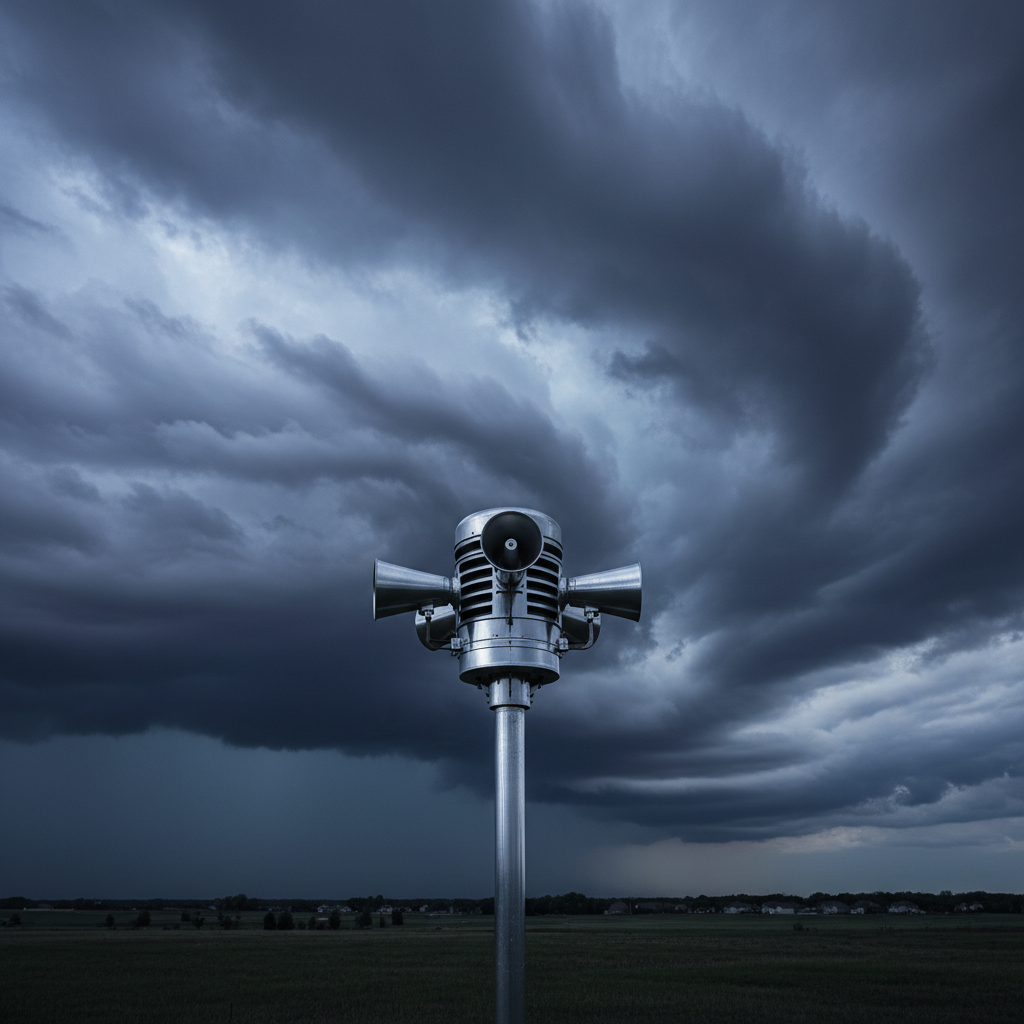
- Tornado sirens are outdoor warning systems designed to alert those who may be caught outside or away from digital notifications.
- Triggering a siren typically requires confirmation from local authorities or the National Weather Service that a tornado threat is imminent.
- Social media witnesses described scrambling to basements, gathering pets and loved ones, and nervously awaiting all-clear messages.
- The sirens themselves have become a trending topic, as some areas faced multiple activations in a single evening.
This surge in tornado activity and siren use is interconnected with seasonal storm patterns, as well as broader questions about climate change's impact on weather volatility. Importantly, not all siren activations indicate a tornado on the ground—sometimes they're triggered out of an abundance of caution.
Why This Matters
The sound of a tornado siren is more than a technical warning—it’s a cultural alarm bell. When these sirens go off, communities are reminded of both their vulnerability and their resilience. The frequent use of sirens also draws attention to modern warning infrastructure, the reliability of local preparedness plans, and disparities in regional safety systems.
For many, especially those without easy access to smartphones or emergency alerts, these sirens can be a literal lifesaver. But too many false alarms or poorly communicated alerts can lead to 'warning fatigue,' where people might begin to ignore even the most urgent signals.
Different Perspectives
Local Authorities
Many emergency managers view sirens as a crucial, last-resort safety tool: "Better to be safe than sorry," as some officials quoted on local news explained. Their focus is on maximizing community protection, even if it risks over-alerting citizens at times.



