
Introduction
Dreaming of wandering cobblestone streets, savoring fresh pastries, or discovering hidden art in ancient cities? Every year, millions set their sights on Europe, making it a perpetual hotspot for globetrotters. But in 2024, traveling Europe feels especially dynamic—and maybe even transformative.
From renewed tourism post-pandemic to rising sustainability trends, the European travel landscape is evolving quickly. I find this fascinating because it’s not just about moving from place to place—it's a mirror of global social, economic, and technological shifts. Let’s shine a light on what’s happening, why it matters, and how you can make the most of your own European adventure.
What's Happening
The allure of Europe as a travel destination has never faded. This year, several factors are shaping the way people experience the continent:
- Record-Breaking Crowds: Tourism numbers are surging back to (and even surpassing) pre-pandemic levels in major spots like Paris, Rome, and Barcelona.
- Inflation & Costs: Prices for flights, accommodation, and even quick meals are rising, leading many to seek value destinations in Eastern Europe or lesser-known Western gems.
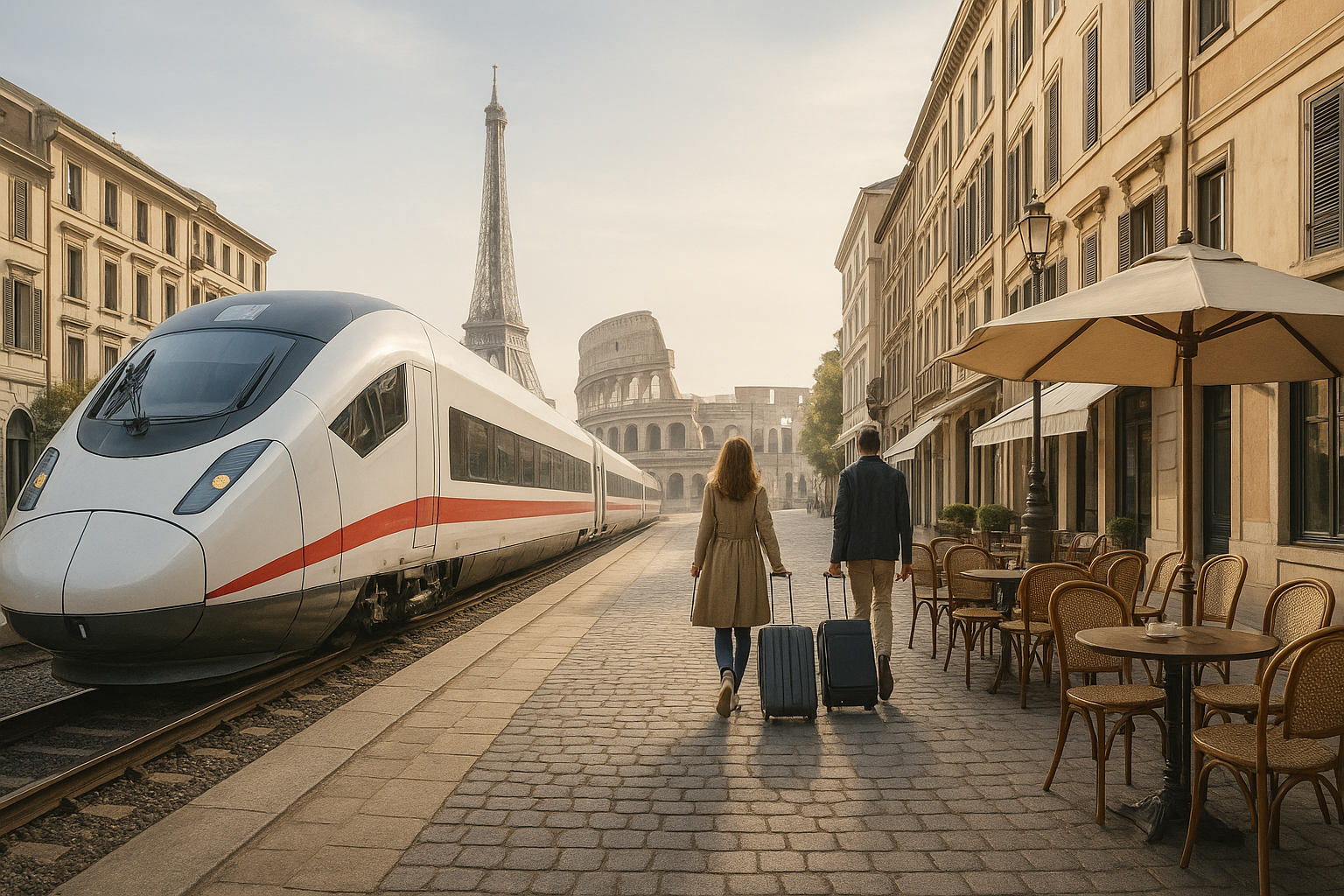
- Sustainable and Slow Travel: More travelers are prioritizing eco-friendly options—opting for trains over planes, staying longer in fewer places, and supporting local businesses.
- Digital Nomad Visas: Countries like Portugal, Croatia, and Estonia are offering special visas to remote workers, drawing new demographics to their shores.
- Security Concerns: With shifting geopolitics, some travelers are considering destination stability, crowd management, and health safety more than before.
In practical terms, travelers in 2024 are relying on a wider array of tools—mobile translation apps, contactless payments, and AI-powered recommendations. The European Union is also rolling out its ETIAS system, requiring travelers from many countries to pre-register before entry. All these factors are shaping what travel means today.
Why This Matters
Europe’s travel surge touches more than individual itineraries—it impacts communities, economies, the environment, and even Europe’s sense of itself. Tourism is a lifeline for many regions, but overtourism can threaten local culture and sustainability.
Decisions by travelers—what they spend, how they move, and where they visit—influence everything from local job markets to climate change trajectories. The choices made this year and beyond could set the tone for what travel looks like worldwide.
Different Perspectives
Local Communities
Many locals welcome visitors for the economic benefits but are concerned about congestion, rising rents, and the erosion of traditional ways of life—especially in cities like Venice and Amsterdam.
Travelers
Tourists want authenticity and unforgettable experiences, but can struggle with crowds, higher costs, and language barriers. Many are searching for new, "off the beaten path" experiences to avoid overrun hotspots.



