
Introduction
Something extraordinary recently painted Australia's skies in hues of crimson — a spectacle that left residents reaching for their cameras and social media feeds abuzz. This dazzling display is more than just a visual marvel. It arrived alongside Tropical Cyclone Narelle, turning global attention to the links between extreme weather and environmental changes.
I find this event especially fascinating because it weaves atmospheric science, human curiosity, and pressing global challenges into a single, vivid phenomenon. When nature surprises us with such intensity, it prompts both wonder and critical questions about our climate's future.
What's Happening
Over the past week, residents in parts of Western Australia reported their skies turning an intense shade of red as Cyclone Narelle churned off the coast. This pairing of wild weather and dramatic skies has sparked widespread discussion and concern.
- Tropical Cyclone Narelle formed in the Indian Ocean, strengthening rapidly and prompting warnings across coastal regions.
- The cyclone brought heavy rains, gusty winds, and storm surges that threatened infrastructure and daily life.
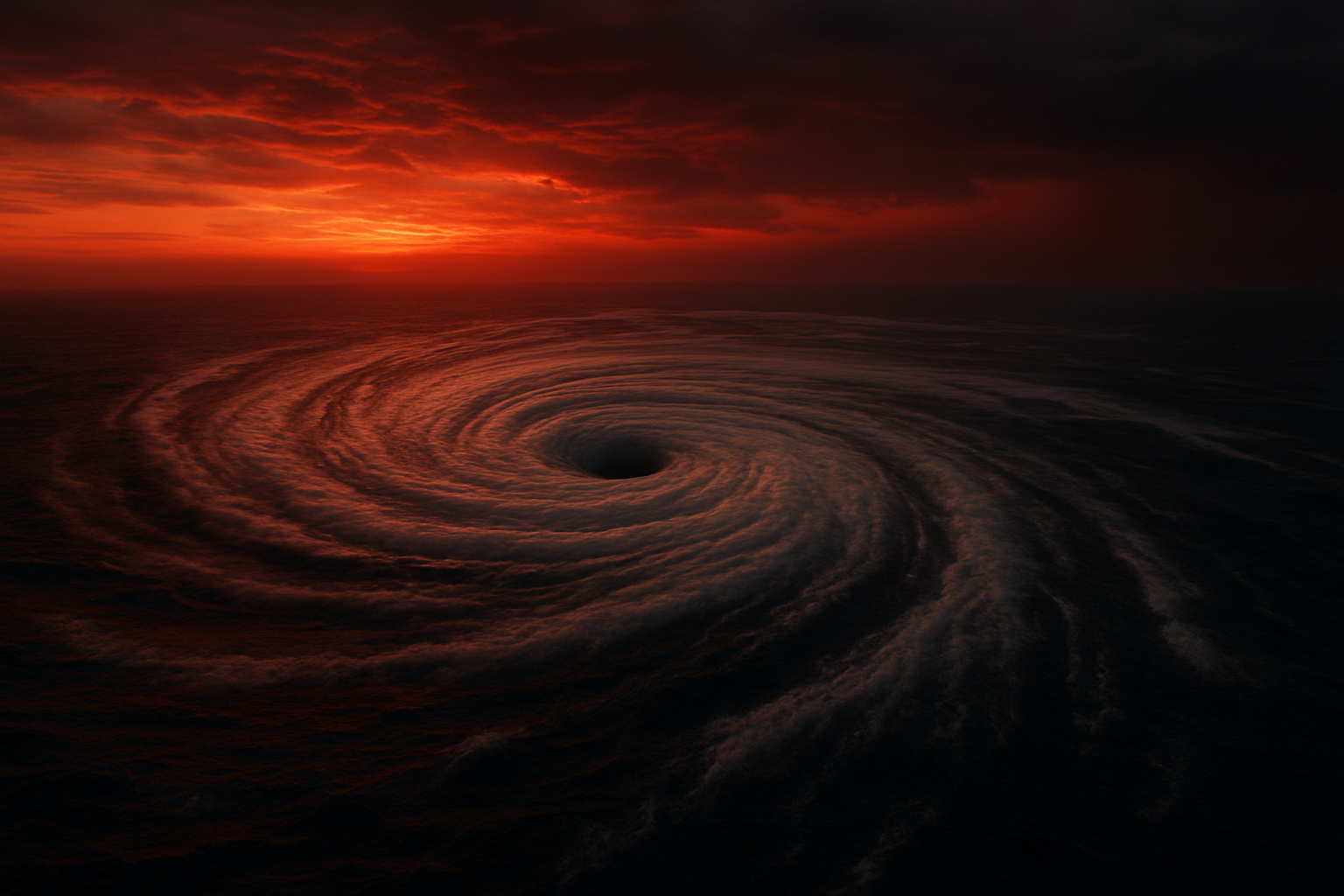
- Red skies were observed from Perth to Port Hedland, with some likening the view to a science fiction movie.
- Meteorologists explained this phenomenon as the result of suspended dust, smoke from bushfires, and cyclone-induced atmospheric particles scattering sunlight at sunrise and sunset.
While red sunsets aren't uncommon, the depth of color and timing — directly during a cyclone's passage — startled many observers. News outlets and meteorological agencies warned citizens of dangerous conditions, urging precautions as the cyclone moved along the coast.
Why This Matters
Extreme weather events are on the rise, and Cyclone Narelle is the latest reminder of the power and unpredictability of nature. The red skies weren't just beautiful — they signaled the presence of fine particles in the air, often linked to climate stressors like droughts or bushfires.
For local communities, these conditions impact health (through poor air quality), infrastructure (from cyclone damage), and mental well-being (due to anxiety and disruption). On a bigger scale, such visible changes push conversations about environmental management, climate adaptation, and disaster preparedness.
Different Perspectives
Scientific Community
Scientists tend to focus on atmospheric mechanics: red skies result from long wavelengths of sunlight passing through dust-laden or smoke-filled air, a process intensified by cyclone winds stirring up particles. Many believe such events are becoming more common as climate patterns shift.



