
Introduction
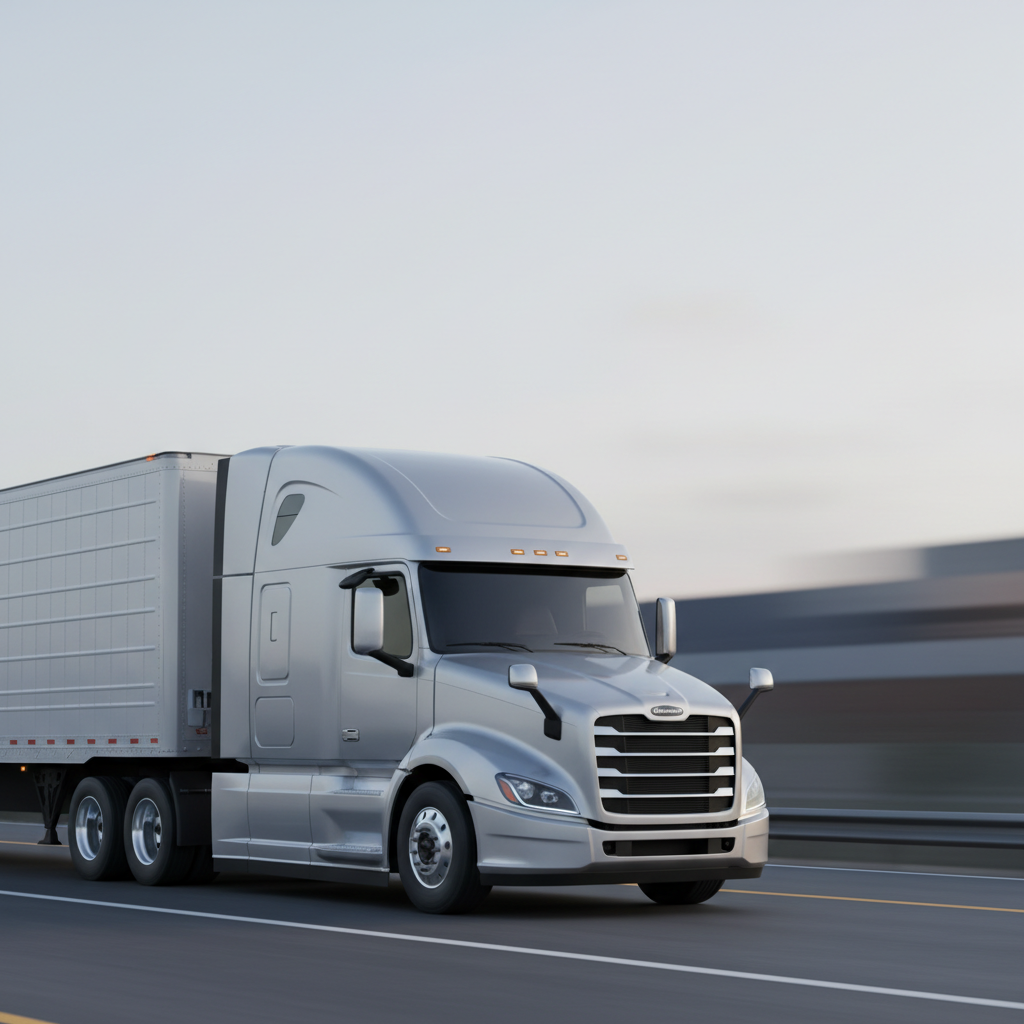
Trucks have always been the backbone of logistics and commerce, transporting goods across fields, highways, and continents. Yet right now, the world of trucks is shifting gears in remarkable ways. From electric big rigs to autonomous delivery vehicles, innovation is accelerating at a pace I find both fascinating and disruptive.
Why does the evolution of trucks matter today? Several recent breakthroughs—like expansion of Tesla’s Semi, policy pushes for greener fleets, and surging demand in e-commerce—are converging to transform how society thinks about mobility, environment, and even employment. Let’s illuminate what’s really happening in the world of trucks.
What's Happening
Recent headlines highlight major truck innovations and challenges:
- Electric Trucks: Companies such as Tesla, Volvo, and Daimler are deploying electric semi-trucks on real shipping routes, promising quieter rides and dramatic cuts in emissions.
- Autonomous Delivery: Pilot programs for self-driving trucks are ramping up, with Waymo, Aurora, and TuSimple conducting test runs for long-haul freight.
- Supply Chain Strain: Persistent driver shortages and global supply chain demand are pushing new logistics solutions, including investment in smarter and more efficient truck operations.
- Regulatory Changes: Governments are rolling out stricter emissions standards and incentives for cleaner transport, spurring companies to upgrade aging fleets.
Whether it’s the sight of a sleek, silent electric semi or the debate over job security in an age of automation, news about trucks is driving cultural and economic conversations worldwide.
Why This Matters
The trucking industry is not just about moving freight—it moves economies. In the United States alone, trucks carry over 70% of all freight by weight. The ripple effects of advances or disruptions in trucking touch retailers, farmers, manufacturers, and consumers alike.
What strikes me about recent truck trends is how much is at stake: cleaner vehicles promise better air quality and climate resilience, but the switch is costly and complex. Autonomous trucks could improve efficiency and safety but also unsettle the livelihoods of millions of drivers. The choices being made today will shape everything from fuel prices to how your next package gets to your door.
Different Perspectives
The Industry Optimists
Technology leaders and some fleet operators see electric and autonomous trucks as a leap forward: cheaper fuel costs, lower carbon footprints, and advanced safety features. They argue that embracing innovation is essential to meet both regulatory and consumer demands.
Driver Advocates
Many truck drivers and unions, however, worry about job security with automation. They question whether new tech will really deliver safety and if enough training and transitional support will be offered as the industry evolves.



