
Introduction
Few stories capture the public’s imagination like those that blend technology, politics, and a hint of spectacle. The recent controversy around so-called 'Trump magic paint' is a perfect example, stirring a medley of fascination, skepticism, and humor across media platforms. As I’ve observed, this blend of politics and innovation—no matter how speculative—carries a magnetic pull.
This topic matters now because it taps into deep currents in US political discourse: border security, technological solutions, and even the use (and misuse) of terminology to influence opinion. Why did this story spread, and what does it reveal about information ecosystems today? Let’s break it down.
What's Happening
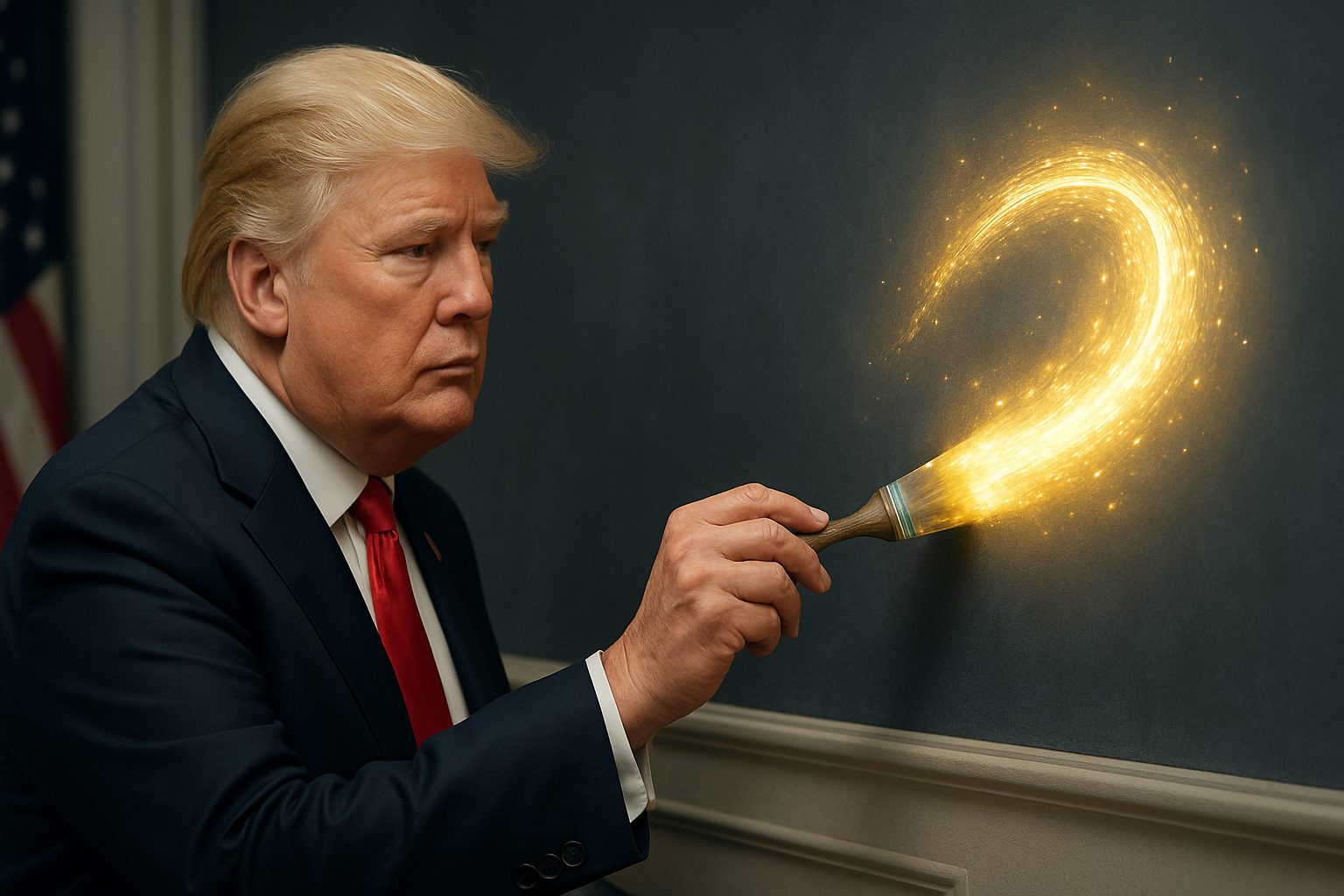
The term 'Trump magic paint' exploded into headlines following reports that, during his presidency, Donald Trump allegedly advocated for a special 'magic' paint to coat the US-Mexico border wall. The supposed purpose? To supposedly make the barrier more formidable—so hot to the touch it would deter climbers, or so slick it would frustrate trespass attempts. While the exact nature and feasibility of such a paint remain unconfirmed, the idea of a technological quick-fix drew intense attention.
- News outlets began citing unnamed sources claiming the former President was fascinated by advanced paint materials that could alter the wall’s effectiveness—for example, black paint that absorbs heat or anti-climb coatings.
- No public record exists of federal procurement for such a 'magic' paint, but conversations about its use became part of broader discussions around the border project’s scope, cost, and design.
- The story’s resurgence appears linked to new media coverage and social media satire, fueling renewed debate over the wisdom (or absurdity) of technological 'solutions' to complex problems.
The buzz around 'magic paint' paints a vivid picture (pun unavoidable) of how certain narratives thrive, especially when they intersect with viral themes—technology, politics, and spectacle.
Why This Matters
At face value, the 'magic paint' story might seem trivial, or even cartoonish. But I see deeper significance in its spread and the discussions it prompts. First, it reveals how political messaging leans heavily on evocative or oversimplified solutions—technological quick fixes in place of systemic reform.
Second, public fascination (and incredulity) with the story points to broader uncertainty about the use of taxpayer dollars, the transparency of government projects, and the boundaries between reality and political theater. Who benefits when such stories go viral? And how do they shape public trust in institutions?
Different Perspectives
Supporters of Trump’s Approach
Some view the 'magic paint' speculation as evidence of creative problem-solving. Proponents argue that using innovative materials demonstrates out-of-the-box thinking to address border security, suggesting that critics seize on minor details to undermine broader policy objectives.



