
Introduction
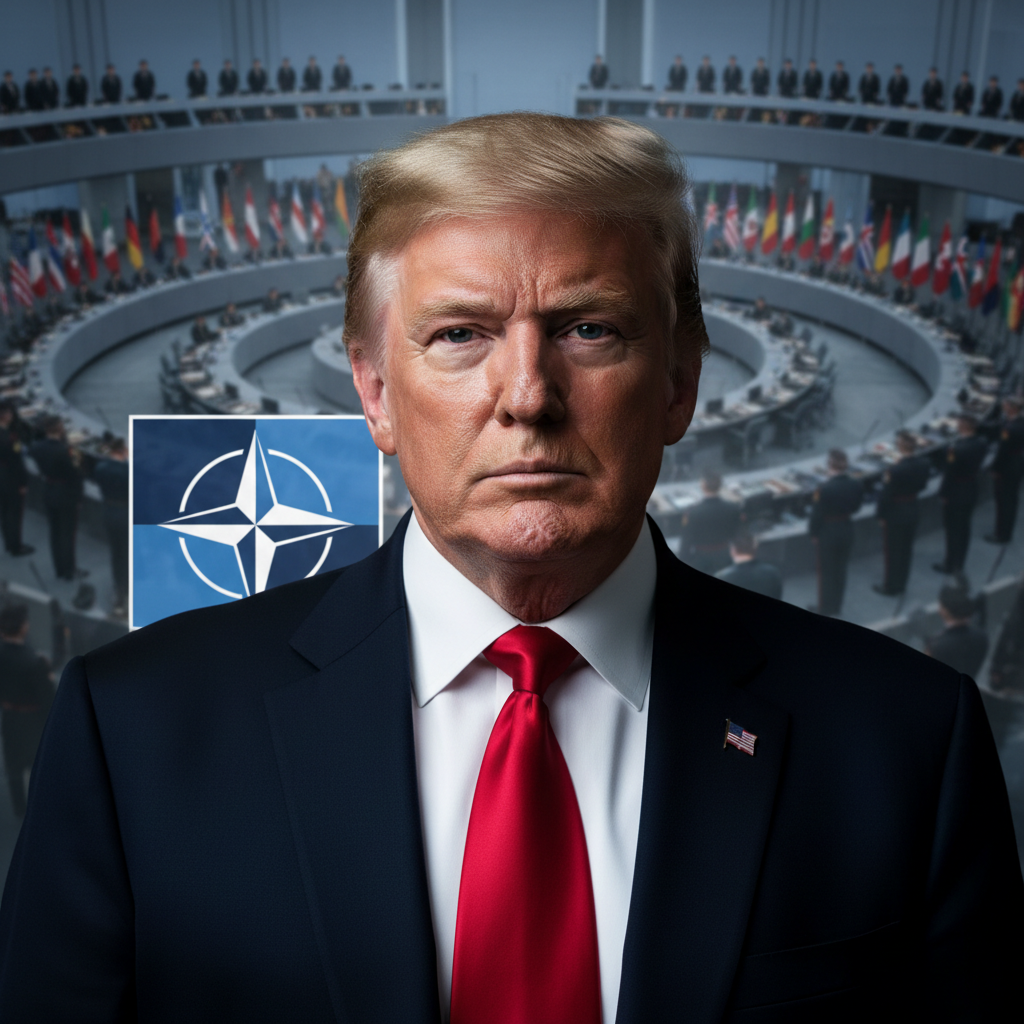
When Donald Trump talks NATO, the world listens—and reacts. With global security anxieties at a high and political change sweeping across continents, recent headlines are abuzz with speculation about what a Trump presidency could mean for the North Atlantic Treaty Organization (NATO) and the broader landscape of transatlantic defense. I find this fascinating because these discussions don’t just impact leaders in suits—they ripple into the daily lives of millions across Europe and North America.
With Mark Rutte, the outgoing Dutch prime minister, set to head NATO, and strategic regions like Greenland making headlines, the entire web of alliances and interests is being tested. What’s at stake is more than political posturing—it’s the future of collective defense and the norms underpinning the Western order. Let’s unpack what’s unfolding and why it matters so much right now.
What's Happening
- Donald Trump’s NATO Rhetoric: Recently, Donald Trump made headlines by suggesting that if re-elected, his administration might not honor the security guarantees for NATO allies who “don’t pay their share.” He implied that under-paid defense contributions could mean leaving countries exposed.
- Mark Rutte’s New Role: Mark Rutte has been nominated as the next NATO Secretary General, succeeding Jens Stoltenberg. Rutte is known for his pragmatic leadership as Dutch Prime Minister and has often supported transatlantic ties.
- Greenland in the Mix: Greenland—a Danish territory—reemerged as a strategic flashpoint, with its location and resources making it central to both U.S. and NATO interests, especially as Arctic geopolitics intensify.
- NATO’s Ukraine Dilemma: As Russia’s war in Ukraine continues, NATO is under pressure to maintain unity, bolster eastern flank defenses, and manage differing member priorities—especially regarding military spending and support.
With these developments, NATO confronts the dual challenge of external threats and internal disagreement, much of which is colored by U.S. domestic politics and Trump’s unpredictable approach to alliances.
Why This Matters
The stakes are high. If the United States, long considered NATO’s backbone, questions the alliance’s value, the security structure that’s kept (relative) peace in Europe for 75 years faces real uncertainty. Trump’s rhetoric gives new urgency to questions many NATO countries have tiptoed around for decades about burden sharing and sovereignty.
Mark Rutte’s leadership arrives at a critical moment. His ability to bridge divides among NATO members could be pivotal—not just for transatlantic relations, but for deterring external threats from Russia and countering mounting pressures in the Arctic (hence, Greenland’s sudden relevance).
Different Perspectives
Trump Supporters’ View
Supporters argue that Trump is simply telling harsh truths. They believe NATO members have long relied on U.S. protection without matching American defense investments. To them, Trump’s stance is necessary tough love—a wakeup call for fairer burden sharing.
NATO Traditionalists’ View
Many European leaders and NATO officials warn that Trump’s approach is reckless. They argue that even hinting at abandoning treaty commitments could destabilize Europe, embolden adversaries, and undermine decades of careful alliance-building.



