
Introduction
The airport security experience has become a defining part of travel in the modern era. In recent weeks, headlines about TSA wait times—especially at Atlanta’s Hartsfield-Jackson Airport—are grabbing attention. Long security lines aren’t just a logistical hurdle; they reflect deeper issues of trust, efficiency, and the balance between safety and convenience.
As summer travel surges and new technologies roll out at checkpoints, I find it fascinating how TSA procedures continually evolve and shape public perception. Understanding what’s happening behind the scenes provides insight into both practical challenges and broader societal questions.
What’s Happening
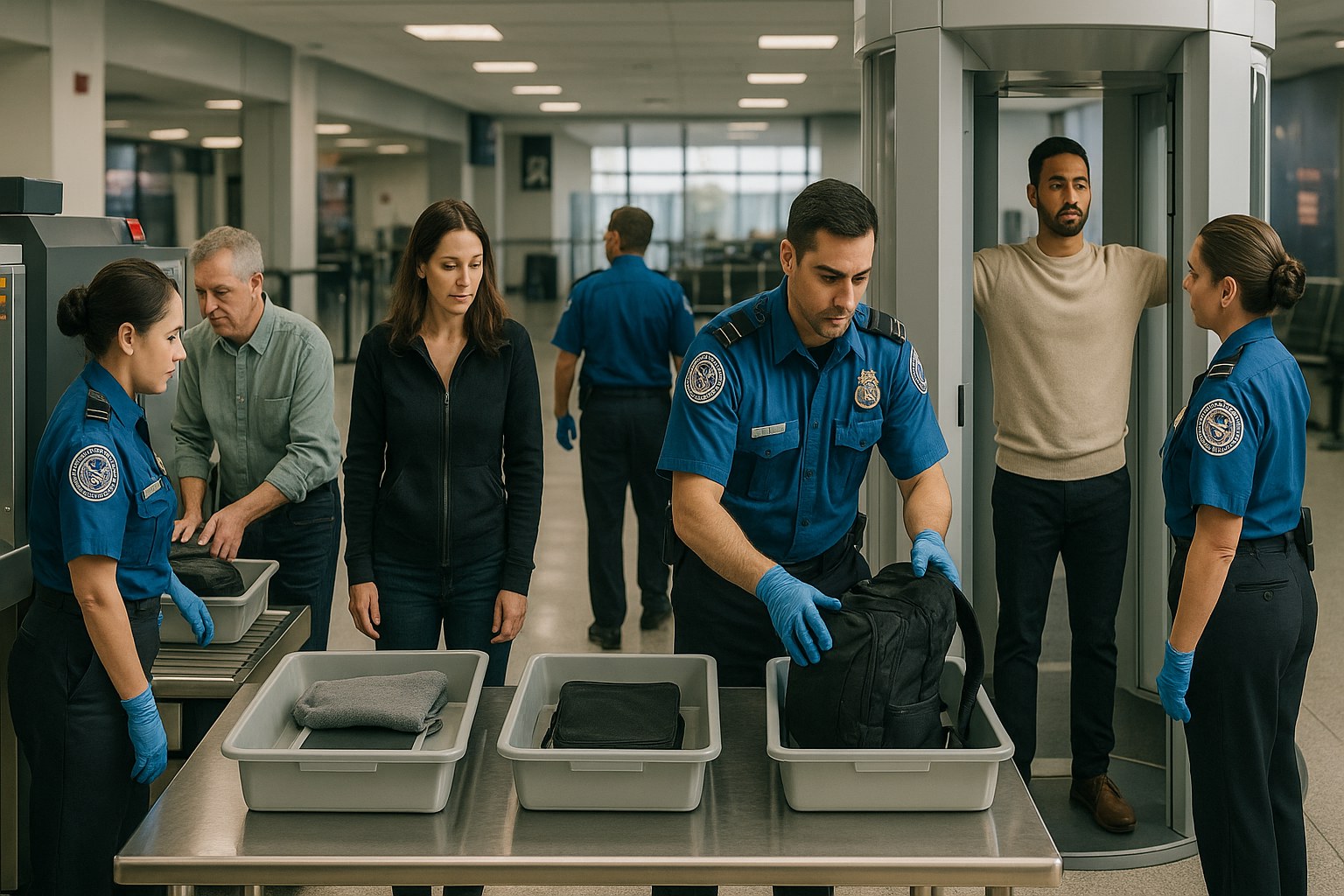
For millions of travelers, TSA airport security is the gateway to the skies. Recent news has spotlighted significant delays at major hubs like Atlanta (ATL), where some passengers report hours-long lines and missed flights.
- Record Demand: The post-pandemic travel boom has pushed airports like ATL to historic passenger volumes, straining existing security resources.
- Staffing Gaps: TSA faces ongoing hiring challenges, leading to understaffed checkpoints and slower screening processes.
- Technology Upgrades: New screening systems, from CT scanners to biometric ID verification, are being rolled out—but the learning curve can initially slow down the flow.
- ATL’s Unique Role: As the world’s busiest airport, Atlanta makes headlines for both efficiency and bottlenecks. Apps and websites now offer real-time TSA wait times (e.g., “ATL tsa wait times”), reflecting public demand for transparency.
Travelers and airlines are urging the TSA to adapt quickly. Simultaneously, officials emphasize the need for thorough checks amid evolving security threats. The result? A high-stakes balancing act that affects millions daily.
Why This Matters
Efficient security is more than a convenience—it’s fundamental to the travel industry’s health and public trust. Long lines can lead to missed connections, cascading delays, and increased stress for both travelers and airport workers.
At a deeper level, the TSA’s evolution is a barometer for how society manages risk and technology. Upgrades promise faster, more accurate screening, but slowdowns or missteps erode faith in the system. When news of delays goes viral, it can influence everything from trip planning to perceptions of safety at a national scale.
Different Perspectives
Traveler Perspective
Many travelers express frustration with unpredictable wait times and seemingly arbitrary security procedures. For them, the priority is speed and predictability: "I just want to get to my gate on time." Missed flights and stress add a personal cost to security delays.
TSA and Airport Staff Perspective
Security personnel emphasize that thorough screening is non-negotiable. They point to relentless threats and the sheer volume of travelers as reasons for occasional slowdowns. New tools and training, they argue, should pay off in efficiency over the long term—even if the rollout period is bumpy.



