
Introduction
The internet is abuzz with talk of "twee." From TikTok mood boards to magazine think pieces, this whimsical aesthetic is enjoying an unexpected renaissance. But what, exactly, is twee—and why is everyone talking about its comeback in 2024?
As I observe digital trends, I notice that waves of nostalgia shape new cultural dialogues online. Twee stands out because it isn’t just visual—it's an entire sensibility, evoking a sense of innocent charm, handcrafted quirk, and a longing for gentler times. But what does this surge of interest reveal about what we’re all searching for now?
What's Happening
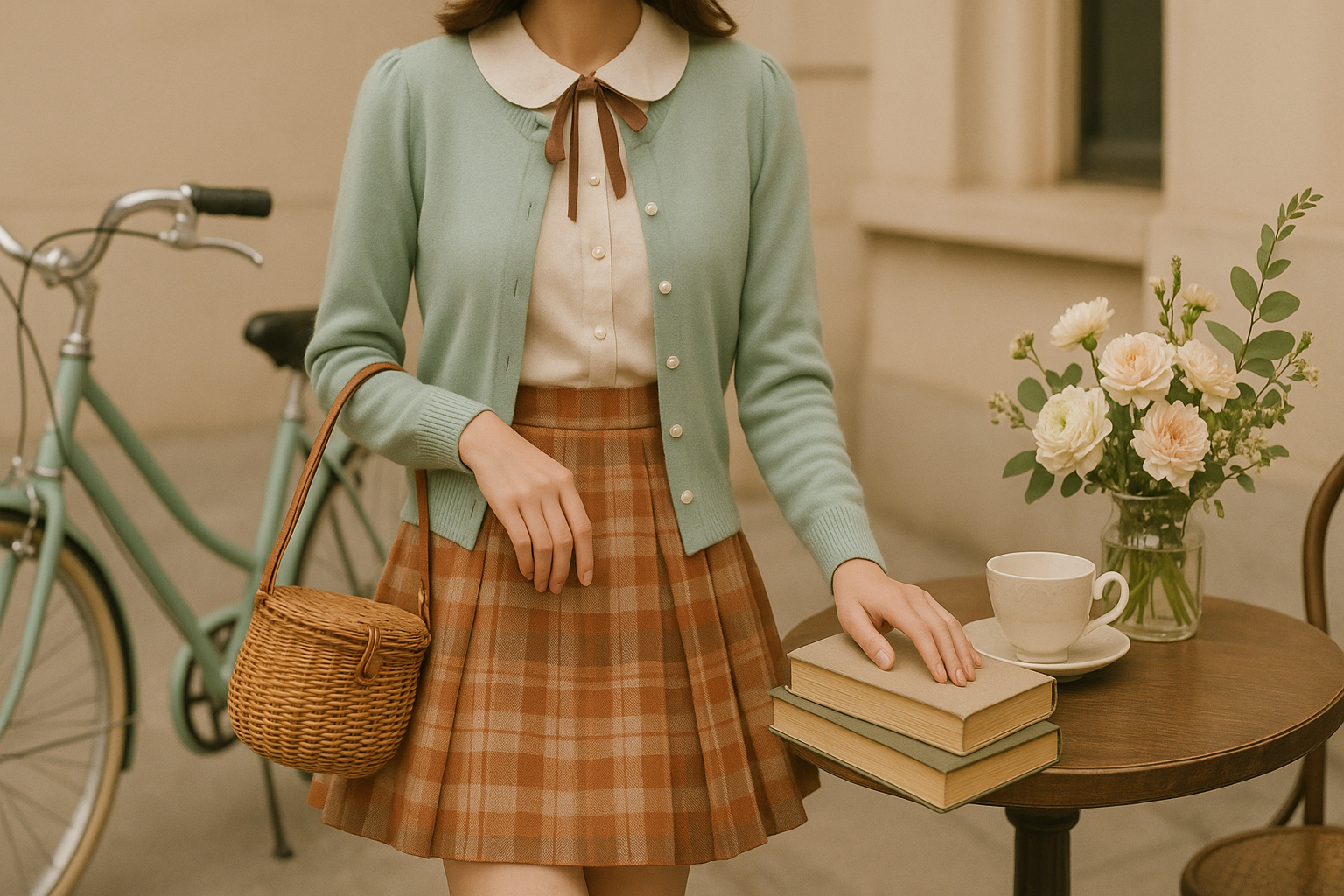
Twee, a British term for something "overly quaint, dainty, or cutesy," first gained traction in the 2000s. It became a defining look of indie pop, film, and fashion—picture pastel cardigans, Peter Pan collars, typewriters, ukuleles, and a parade of Wes Anderson characters with vintage glasses and earnest smiles.
- Trend Redux: In 2024, social media creators are calling attention to twee’s return. Viral posts dissect "twee girls" of Tumblr and early Instagram, and fashion reporters are linking current runway looks back to this aesthetic.
- Celebrity Influence: Stars like Zooey Deschanel and Greta Gerwig (think “New Girl” and “Frances Ha”) embodied the original twee movement; now, Gen Z influencers are remixing similar styles for a new era.
- Visual Touchstones: Twee is characterized by a love for childlike patterns, playful accessories, and vintage flourishes—mixing the whimsical with the analog in a digital age.
- Online Debates: Threads and articles are examining both the charm and the critiques of twee: Is it escapism, or is it naivete? Is its renewed popularity sincere, or tinged with irony?
From thrift shops to music playlists, twee is reaching a new audience—but also raising tough questions about taste, privilege, and authenticity.
Why This Matters
The resurgence of twee is more than a fashion statement; it's a cultural pulse-check on what people are aching for in turbulent times. Economic uncertainty, climate anxiety, and relentless digital hustle may be driving a craving for simpler, softer aesthetics.
Twee’s comeback also sparks important dialogues about representation and cultural memory. Who gets to participate in nostalgia—and whose stories are celebrated or excluded in the process?
For brands, artists, and online communities, understanding why twee is trending can reveal deeper patterns about cycles of trend renewal, consumer mood, and the yearning for meaning in a chaotic world.
Different Perspectives
The Nostalgic Enthusiasts
This group sees twee as ". . . an antidote to cynicism". They embrace its vintage, handmade, and hopeful feel, finding comfort in retro fashion and charming music. For many, leaning into twee is a way to cultivate joy—and resist the stresses of modern life.



