
Introduction
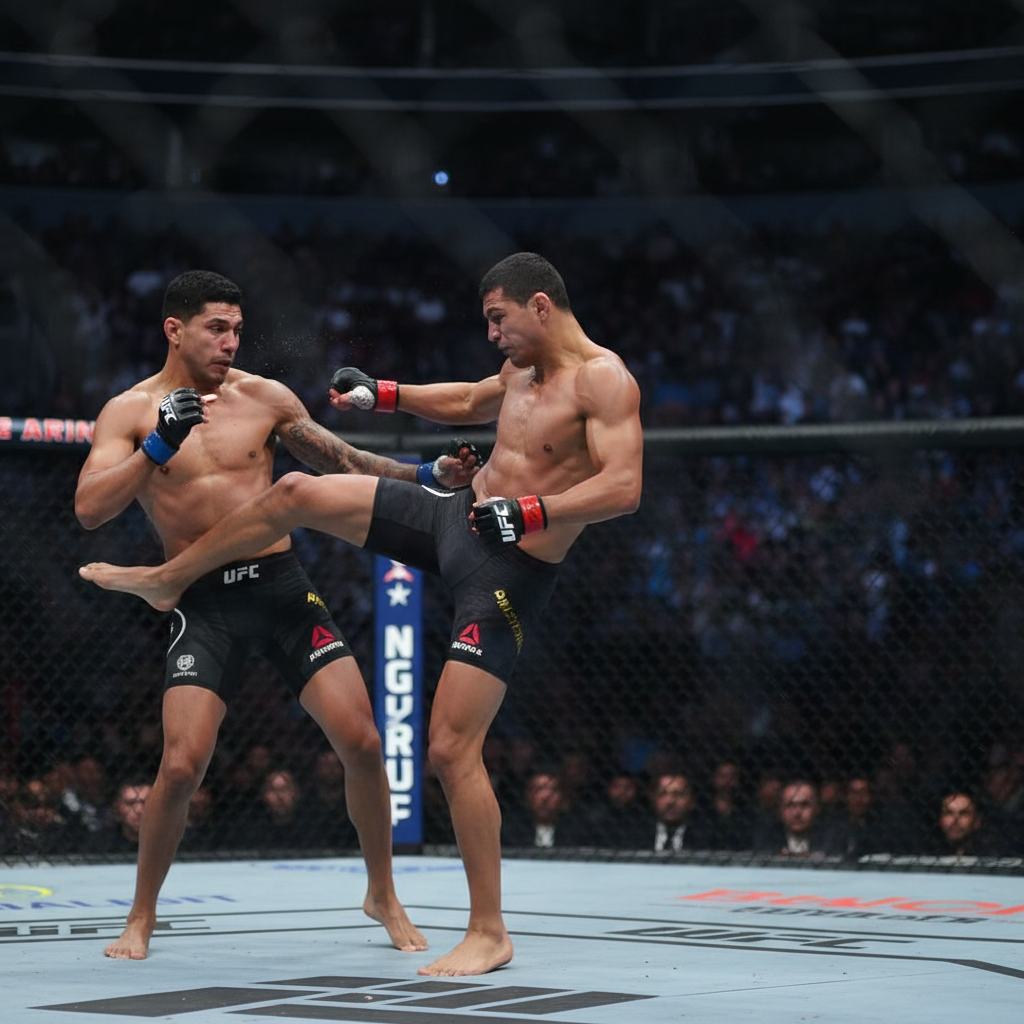
It’s hard to ignore the roar around the UFC right now. Whether you’re a diehard fight fan or just catching highlights, the Ultimate Fighting Championship has become a pop culture juggernaut. Headlines are popping about star commentator Joe Rogan, sold-out events at venues like Kaseya Center in Miami, and athletes morphing into mainstream icons overnight.
But why does the UFC occupy such a unique place in today’s sports landscape? And how did a gritty combat league manage to become as talked about as traditional giants like the NFL or NBA? I think this is a moment worth examining—because the answers aren’t as simple as fists and fame.
What's Happening
The UFC continues its rapid ascent, generating massive buzz from high-energy events and celebrity involvement:
- Kaseya Center in Miami has hosted multiple sold-out UFC cards, underscoring rising demand for live MMA shows.
- Iconic podcaster and UFC commentator Joe Rogan remains a central figure—his commentary style connects with both casual viewers and hardcore fans, fueling debating points across social media.
- The UFC has seen recent pay-per-view blockbusters, with stars like Israel Adesanya and Sean O'Malley drawing huge global audiences.
- Controversies—from fighter pay to judging decisions—keep conversations alive between cards.
Modern UFC isn’t just about fighting; it’s a mix of athletic spectacle, personal branding, and entertainment. Social media clips of knockouts or post-fight interviews often trend, turning fighters into memes and micro-celebrities.
Bigger venues, partnerships with mainstream brands, and increasing international expansion show just how far the UFC has come from its more underground beginnings. The league’s visibility has never been higher—or more dissected.
Why This Matters
The UFC’s surging popularity signals more than just a love of combat sports—it reflects evolving tastes in entertainment, athletic storytelling, and personal identity. With MMA now among the world’s fastest-growing sports, new athletes and fans are entering the fold from all over the globe.
This matters in economic terms as well. Fighters’ compensation issues spark debate about fairness in the gig economy, while the UFC’s media deals challenge how traditional sports leagues think about streaming, branding, and fan engagement.
There’s also a cultural impact: the UFC is shaping perceptions around resilience, masculinity, and what it means to be competitive. It’s not only a sport—it’s becoming a touchstone in broader conversations around society and media.
Different Perspectives
Fans’ Take
Many fans celebrate the UFC for its authenticity and excitement—real competitors, unpredictable outcomes, and visceral moments in the cage.



