
Introduction
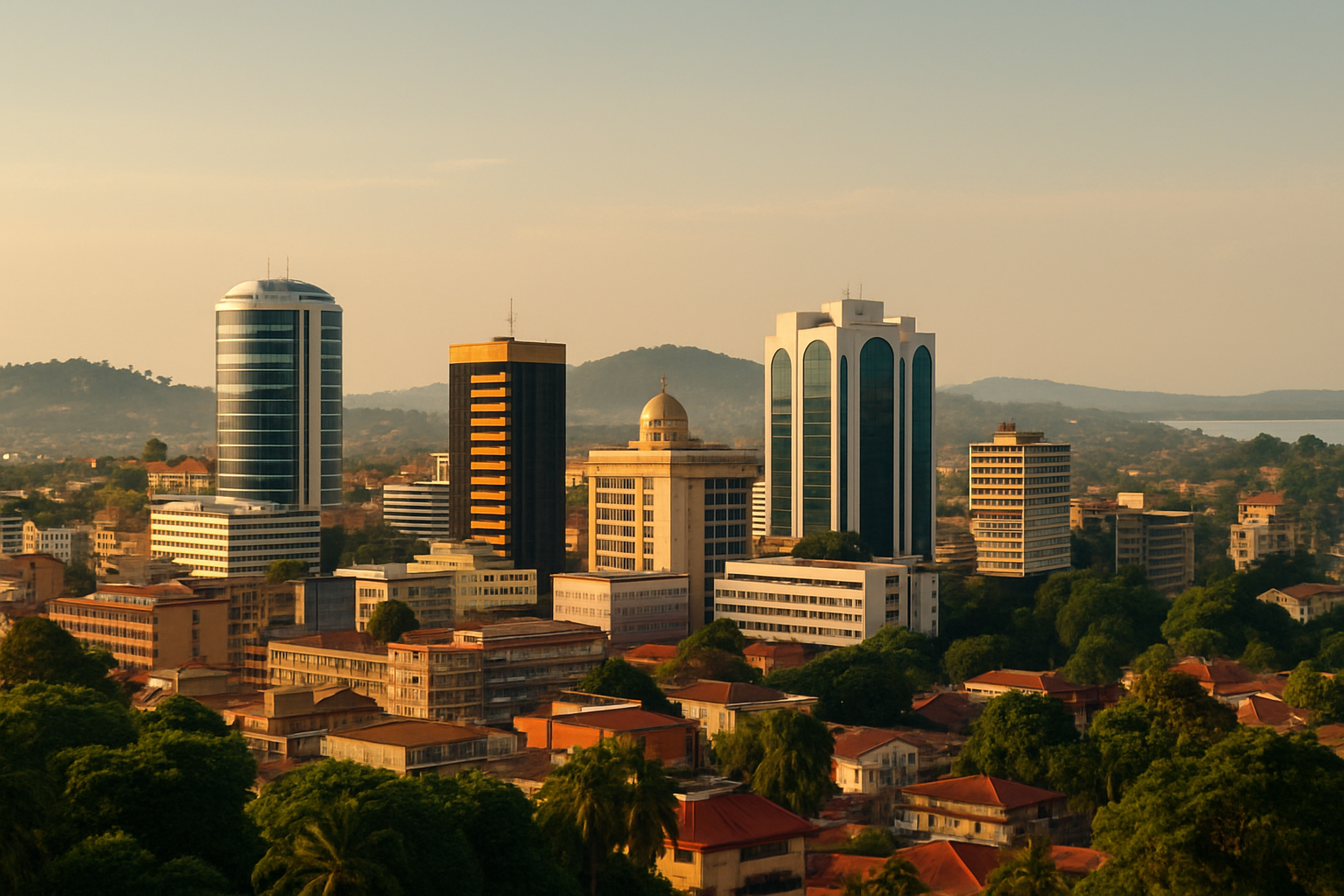
There’s a renewed focus on Uganda right now, and for good reason. This East African nation is experiencing rapid change—economically, culturally, and geopolitically. From major oil discoveries to digital activism, Uganda’s decisions today ripple far beyond its borders.
I find this fascinating because Uganda sits at the intersection of development and debate, with its people, resources, and policies capturing international headlines. What strikes me is how Uganda’s story is both uniquely local and globally linked, revealing broader trends about how emerging economies navigate opportunity and challenge.
What's Happening
Several factors are driving Uganda’s time in the international spotlight. Here’s what’s happening:
- Economic Growth: Uganda's GDP rose by 4.6% in 2023, thanks partly to agriculture, tech entrepreneurship, and oil sector investments.
- Oil Reserves & Development: With fresh oil discoveries on the cusp of production, debates swirl about environmental impacts, revenue sharing, and foreign involvement (notably with China and France).
- Social Policy & Human Rights: Uganda's controversial laws on LGBTQ rights, internet regulation, and press freedom have drawn global criticism and support, sparking domestic debate and Western sanctions.
- Tech Boom & Digital Youth: Uganda's tech-savvy youth are starting businesses, advocating for transparency, and influencing politics via social media—despite curbs on digital freedoms.
- Geopolitics & Security: Uganda’s regional role is shifting; it’s a key player in African Union missions and a magnet for refugees, while managing security threats like recent terror attacks near the DRC border.
The convergence of these dynamics means Uganda is being examined by investors, activists, and policymakers alike—not just as a case study, but as a bellwether for Africa’s future.
Why This Matters
Uganda’s trajectory could shape more than just its 45 million citizens. Rapid economic development, if managed well, could lift millions out of poverty, create new regional economic corridors, and serve as a model for resource-driven growth.
On the flip side, Uganda’s handling of human rights, civil liberties, and equitable oil revenue distribution may set precedents—positive or negative—for similar nations. International investors, aid agencies, and human rights organizations are all watching closely, because Uganda’s choices could encourage or discourage further global engagement in the region.
Different Perspectives
The Ugandan Government
The government, led by President Yoweri Museveni, promotes Uganda as an investment destination and regional peacekeeper. Officials argue their policies on security and social order are necessary for stability, while touting economic and infrastructure gains as proof of responsible leadership.
Youth & Civil Society
Uganda’s youth and activist groups see both progress and problems. Many celebrate opportunities in tech and entrepreneurship, but criticize shrinking civic space, internet shutdowns, and laws that stigmatize minorities. Digital activism remains a vital outlet for their voices.



