
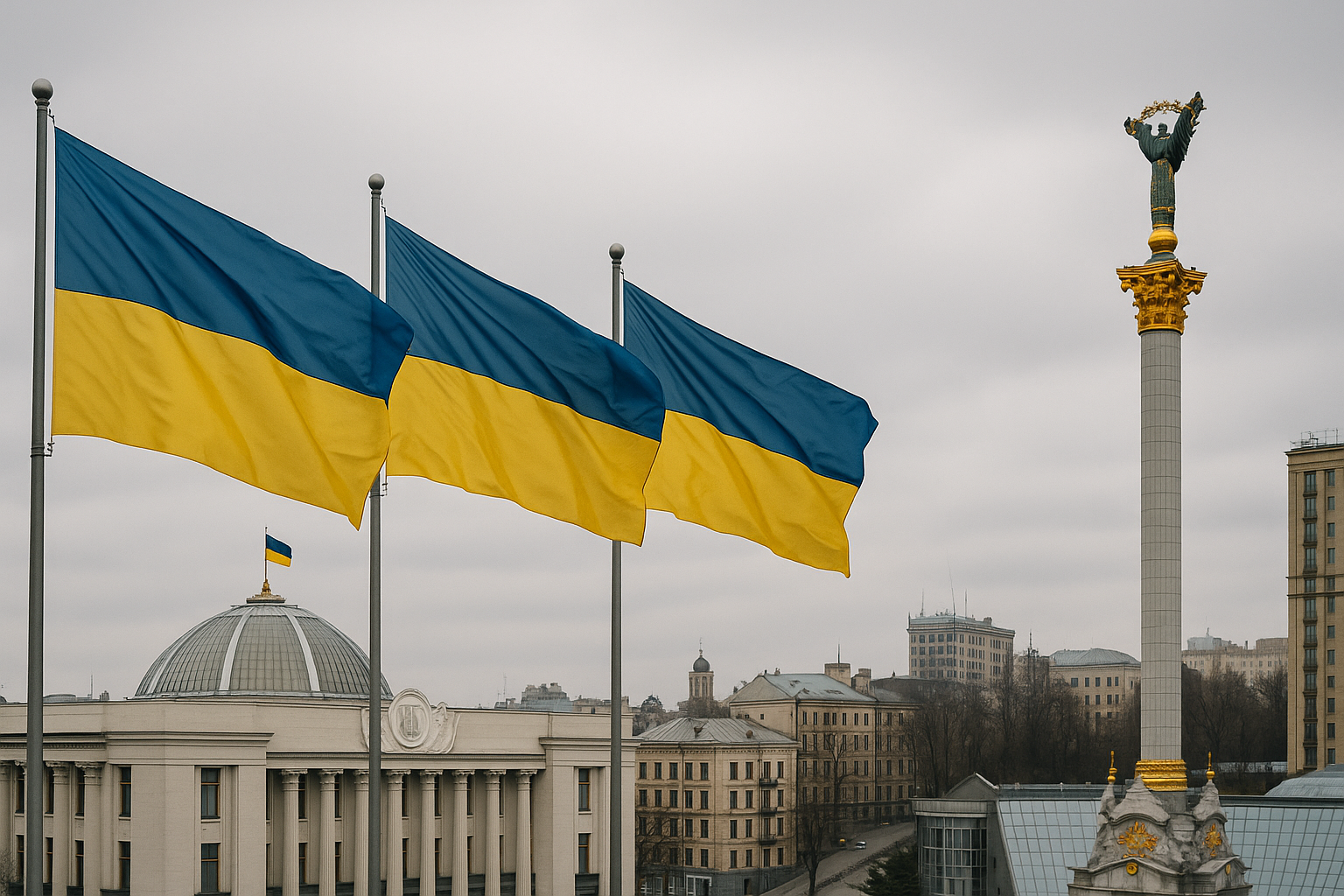
Introduction
The situation in Ukraine continues to capture the world's attention, dominating headlines with stories of resilience, conflict, and profound uncertainty. Each development on the ground tangibly affects not only Ukrainians but also global politics, security, and the very ideas of democracy and sovereignty.
I find this topic compelling because Ukraine’s story is about more than a war—it’s about the world negotiating new power structures, the resilience of a nation, and the struggle for truth in the face of information warfare. Right now, understanding what’s happening in Ukraine feels more urgent than ever.
What's Happening
As of June 2024, Ukraine remains locked in a hard-fought conflict with Russia. Major news developments include:
- Continued Fighting in the East: Russian forces have increased pressure along the eastern front, particularly near Kharkiv and Donetsk, leading to significant displacement of civilians.
- Western and NATO Support: Ukraine relies heavily on military aid and humanitarian support from Western allies, though recent political shifts in the US and Europe have led to some uncertainty about the future of this assistance.
- Peace Negotiations and Diplomatic Tensions: High-level discussions attempt to broker ceasefires, but little progress has been made. Each side accuses the other of stalling or bad faith.
- Information Warfare: Both Russia and Ukraine intensify their efforts to control the narrative, deploying propaganda, misinformation, and cyber campaigns to sway public opinion domestically and internationally.
Casualties and infrastructure damage continue to mount, with the UN estimating millions displaced and thousands of civilian lives lost. Meanwhile, the flow of refugees climbs as safe corridors become increasingly scarce.
Why This Matters
The continuing war in Ukraine not only devastates a nation but also destabilizes an entire region. Economically, it affects global food and energy supplies, with Ukrainian grain exports and Russian energy both crucial to world markets.
Politically, the conflict tests the unity of alliances like NATO and the EU, while shaping the rhetoric of democracy versus authoritarianism worldwide. Ordinary people—in Ukraine and far beyond—are affected through fuel prices, security anxieties, and shifting borders in a digital age.
Different Perspectives
Ukrainian Perspective
For most Ukrainians, this war is existential. They fight for sovereignty, survival, and the right to determine their own future. Many are frustrated by delays or ambiguities in Western support, but remain resolute in the face of hardship.
Russian Perspective
The Russian government frames the conflict as a defensive operation to protect Russian-speaking populations and resist NATO encroachment. However, dissent within Russia is growing, with some citizens questioning the rationale and cost of the ongoing war.



