
Introduction
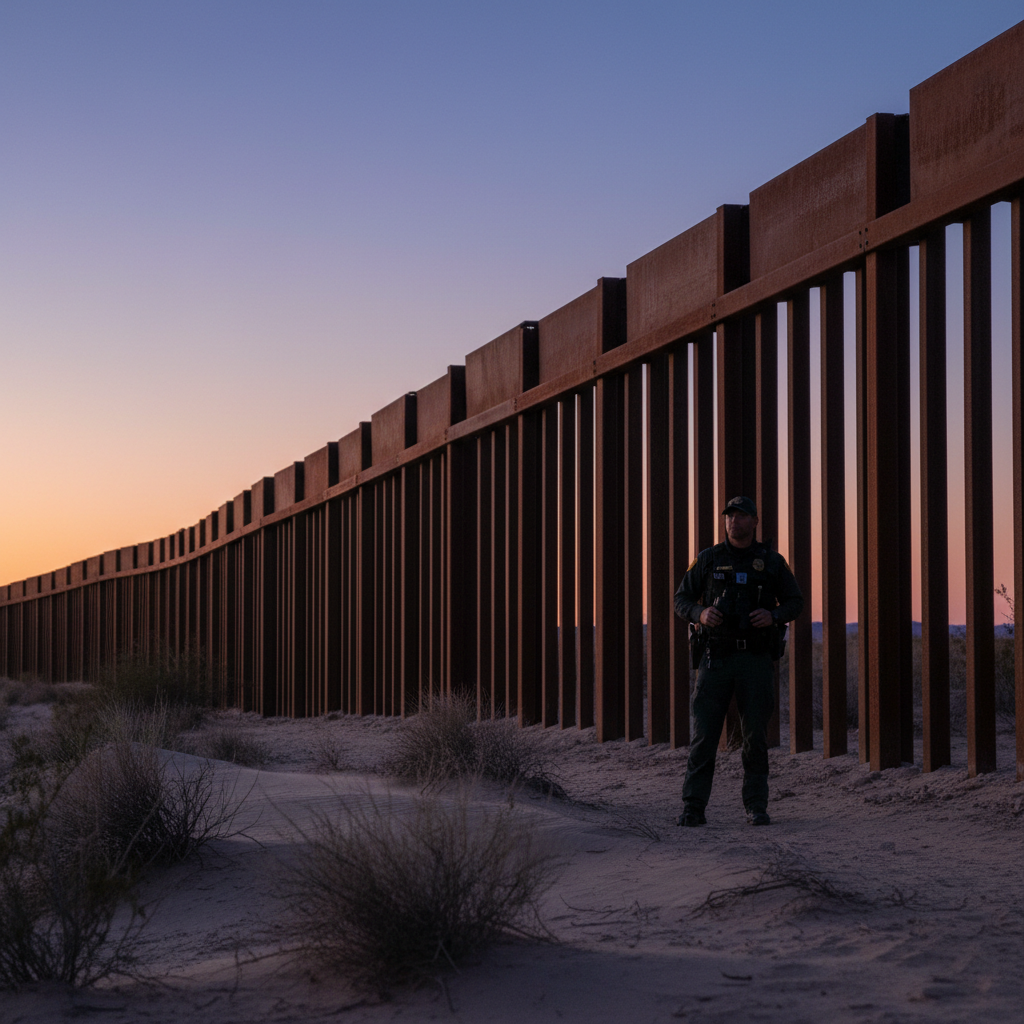
The United States Border Patrol has surged back into the national conversation, driven by policy battles, funding debates, and headlines about border security. Recent clashes in Congress, especially between the Senate GOP and the Biden administration, have brought border enforcement into sharp relief. These debates touch not just on funding, but on the very philosophy behind America’s borders.
As I observe current discourse, I find it striking how the definition of "border security" both shapes and reflects national priorities. Understanding what’s happening with Border Patrol today means grappling with larger questions about migration, safety, and national identity. Let’s unpack what’s driving this surge of attention—and what it might mean for the future.
What's Happening
In the last few weeks, there’s been rapid movement and heated discussion around the funding and operations of the U.S. Border Patrol, a key division under Customs and Border Protection (CBP), itself part of the Department of Homeland Security (DHS).
- Senate GOP members are pushing for increased funding for Border Patrol and ICE, championing measures that prioritize staffing, technology, and physical barriers.
- The Biden administration has proposed funding to support not only enforcement, but also humanitarian operations and asylum processing.
- Recent headlines from DHS signal operational strain at the southern border—both due to increased crossings and ongoing legal/political pressures.
- Legislation has stalled in Congress, with funding bills serving as a battleground over broader immigration reforms. The debate extends to CBP’s authority, ICE operations, and resource allocations across border zones.
CBP reports a notable increase in border encounters, with agents grappling with high volumes of arrivals. The combination of global instability and domestic policy uncertainty creates a highly dynamic, sometimes unpredictable, environment for border enforcement.
At the same time, watchdogs and advocates are scrutinizing detention conditions, due process protections, and the role of emerging technologies (like surveillance drones and AI tools) in enforcement.
Why This Matters
The decisions made now—whether about funding levels or underlying policy—will shape how the United States deals with migration, enforcement, and humanitarian challenges for years to come. Border Patrol’s ability to function effectively, humanely, and lawfully is central to national security and public trust.
Communities along the southern border are directly and disproportionately impacted: local economies, safety perceptions, and the treatment of migrants all hinge on national policy. Additionally, the Border Patrol is often tasked with objectives that go far beyond traditional law enforcement, including managing asylum applications and emergency rescues.
How the United States approaches these crossroads will influence not only internal politics, but also its standing on the world stage as a destination for migrants and a model for democratic governance.