
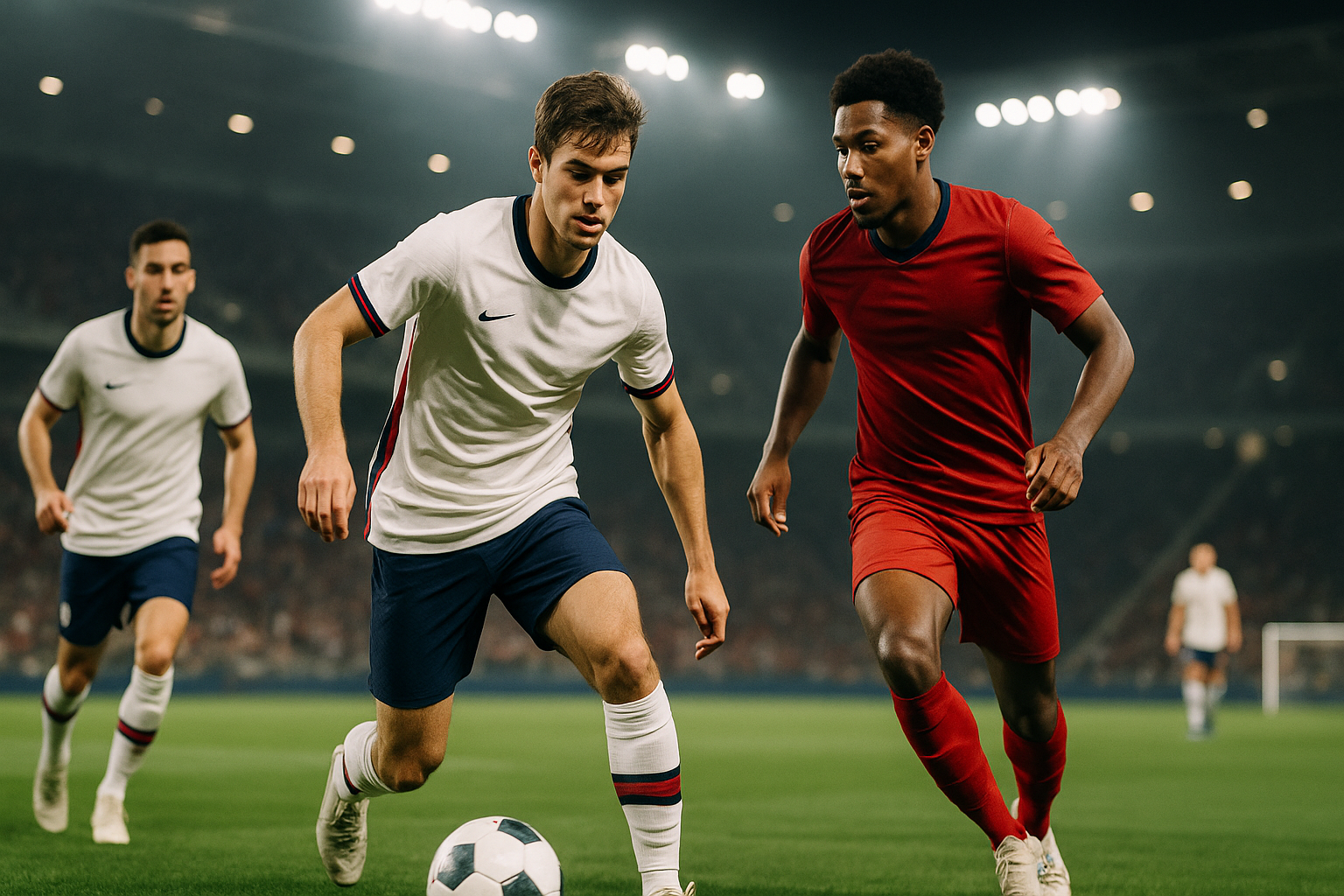
Introduction
The United States Men's National Soccer Team (USMNT) has become a focal point in America’s evolving sports landscape. With a burgeoning fan base, renewed ambitions, and a string of headline-grabbing matches, the USMNT is capturing the nation’s attention like never before. I find this fascinating because, for decades, soccer in the U.S. lived in the shadows of other major sports. Now, tides are shifting.
This rise matters right now thanks to major international tournaments, high-profile transfers of American players to European clubs, and the approach of the 2026 FIFA World Cup co-hosted by the U.S. What strikes me most is the convergence of sport, culture, and identity around the USMNT—a narrative that reflects broader changes in American society.
What's Happening
Over the past two years, the USMNT has made significant progress both on and off the pitch. Not only is the team performing better in key tournaments, but American players are becoming regulars at some of the world’s top football clubs. Here’s a snapshot of the current landscape:
- Recent Results: The USMNT reached the knockout stages of the 2022 FIFA World Cup, earning respect for their performances against recognized soccer powerhouses.
- Rising Talent: A new generation of players—think Christian Pulisic, Weston McKennie, and Gio Reyna—are starring for top European teams and redefining perceptions of American soccer on a global stage.
- Domestic Impact: Major League Soccer (MLS) continues to grow, with homegrown talent transitioning to international leagues and bringing diverse experience back to the national team.
- Coaching and Strategy: Head coach Gregg Berhalter has implemented a youth-centric, dynamic style of play, though not without controversy about squad selection and tactics.
- 2026 FIFA World Cup: With the U.S. set to co-host the tournament, preparations and expectations are ramping up, both from fans and the federation.
These developments are not isolated. They reflect a concerted effort to build a sustainable soccer culture in the U.S.—one that resonates beyond the World Cup hype cycles.
Why This Matters
The USMNT’s ascent has wide-reaching effects. Culturally, soccer serves as a bridge across diverse communities in America, fostering unity and shared identity. The increase in competitive quality offers young athletes new role models and realistic aspirations to play at the highest levels.
In the broader context, a successful USMNT helps attract sponsorships, youth investment, and international attention, all of which feed back into the sport’s domestic infrastructure. From my analysis, this creates a positive feedback loop propelling both the men's and women's national programs forward.
Economically, a prominent USMNT heightens commercial opportunities for leagues, clubs, and media partners. The lead-up to the 2026 World Cup is expected to supercharge these factors—potentially transforming American soccer for decades to come.
Different Perspectives
Optimistic Outlook
Supporters argue the USMNT is on the cusp of greatness. They point to the youth movement, record player exports to Europe, and increased competitiveness against world-class teams as signs the U.S. could soon become a true soccer powerhouse.



