
Introduction
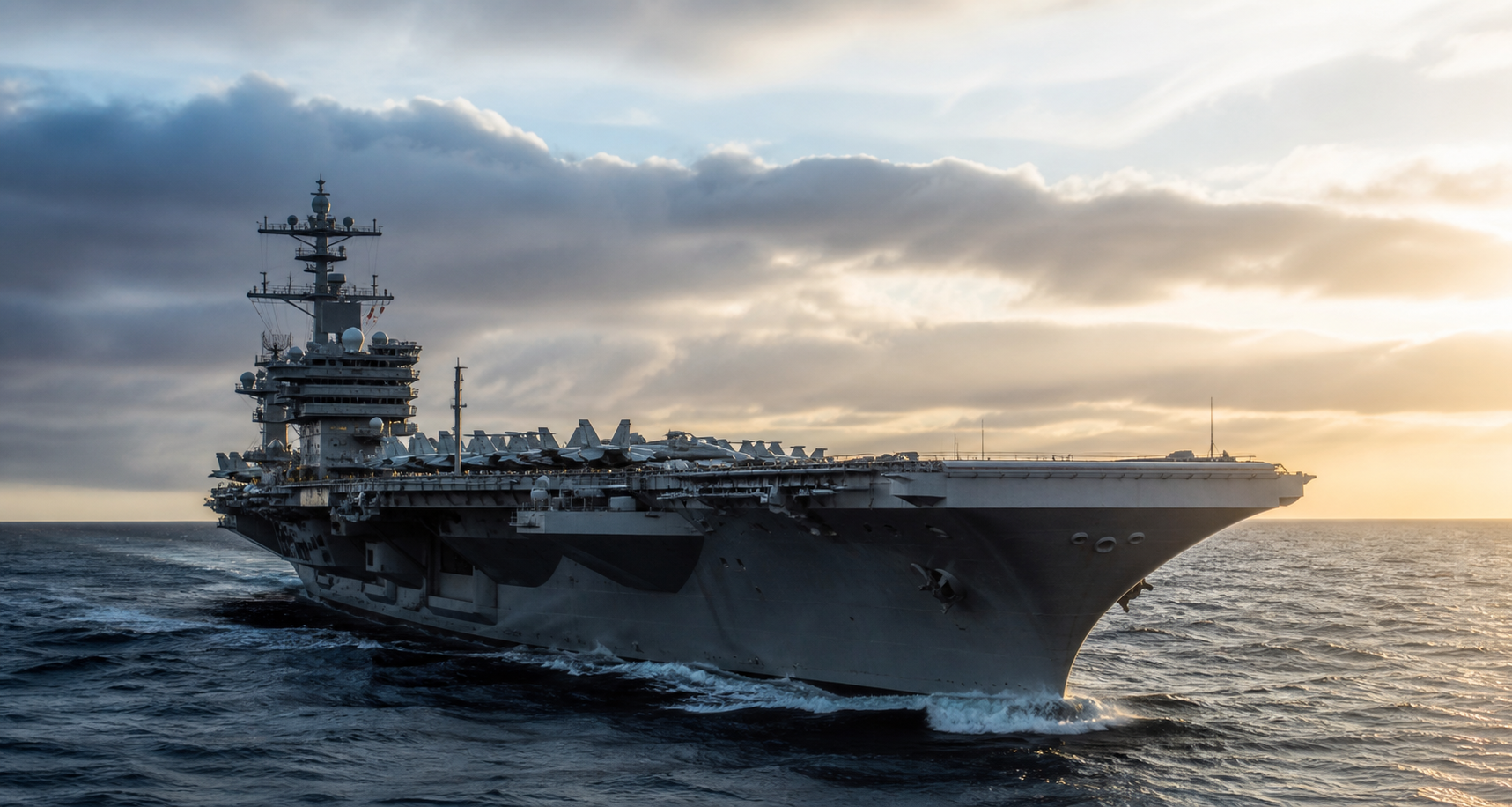
The announcement of the USS Doris Miller as an upcoming U.S. Navy aircraft carrier is making waves in both military and cultural circles. This vessel isn’t just about naval modernization—its namesake marks a significant moment in American history.
Why now? As the Navy builds its next generation of supercarriers, naming one after Doris Miller, a Black sailor and World War II hero, reflects changing attitudes about who is celebrated and remembered. I find this fascinating because it combines military technology, historical commemoration, and social progress—all unfolding in real time.
Key Takeaways
- The USS Doris Miller (CVN-81) will be the first U.S. aircraft carrier named after an African American and the first named after an enlisted sailor.
- Doris Miller was a Navy cook who became a WWII hero at Pearl Harbor and was awarded the Navy Cross.
- The carrier is scheduled to be delivered to the U.S. Navy in the early 2030s as part of the advanced Ford-class ships.
- This naming decision has sparked conversations on diversity, historical memory, and American values.
- The USS Doris Miller represents both technological innovation and an evolving approach to military honors.
What's Happening
The USS Doris Miller (CVN-81) is the fourth Ford-class aircraft carrier currently under construction for the U.S. Navy. Announced in 2020, the carrier is named after Doris "Dorie" Miller, a mess attendant who famously manned anti-aircraft guns and helped save lives during the attack on Pearl Harbor in 1941.
This is the first time an aircraft carrier is named for an African American—and also for someone who served as an enlisted servicemember rather than an officer or a president. The carrier will be built by Huntington Ingalls Industries in Newport News, Virginia, and will incorporate cutting-edge Ford-class features.
- USS Doris Miller is scheduled to be delivered to the Navy around 2032.
- Ford-class carriers include electromagnetic catapults, advanced radar, and smaller crews for high efficiency.
- Miller received the Navy Cross for bravery but died in action in 1943.
The decision to honor Miller this way acknowledges his role not just as a war hero but also as an early symbol in the fight for racial equality within the military.
Why This Matters
The USS Doris Miller stands at the intersection of military progress and cultural reckoning. On one hand, it’s a $13+ billion Naval powerhouse, ready to shape maritime strategy for decades. On the other, it embodies a shift in whom the country chooses to honor, sending a message about recognition and inclusion in national memory.
For Black servicemembers and communities across the U.S., this visibility is particularly significant, offering a form of representation rarely seen in such prominent institutions. Additionally, decisions like this can influence future naming traditions, potentially opening doors for a more inclusive approach to military honors.
Different Perspectives
Military and Veteran Advocates
Many view the naming as a positive acknowledgment of enlisted heroes whose actions were previously overlooked. It is seen as a way to boost morale and inspire current and future sailors by highlighting courage that transcends rank or background.
Social Justice and Civil Rights Leaders
This group sees the USS Doris Miller as a meaningful progression but often emphasizes that symbolic gestures must be paired with broader reforms and continued efforts to address disparities within the armed forces.
Traditionalists and Critics
Some argue that aircraft carriers should remain named after former presidents or battleships, expressing concern about tradition. Others fear that such decisions might become politicized or symbolic at the expense of operational focus.



