
Introduction
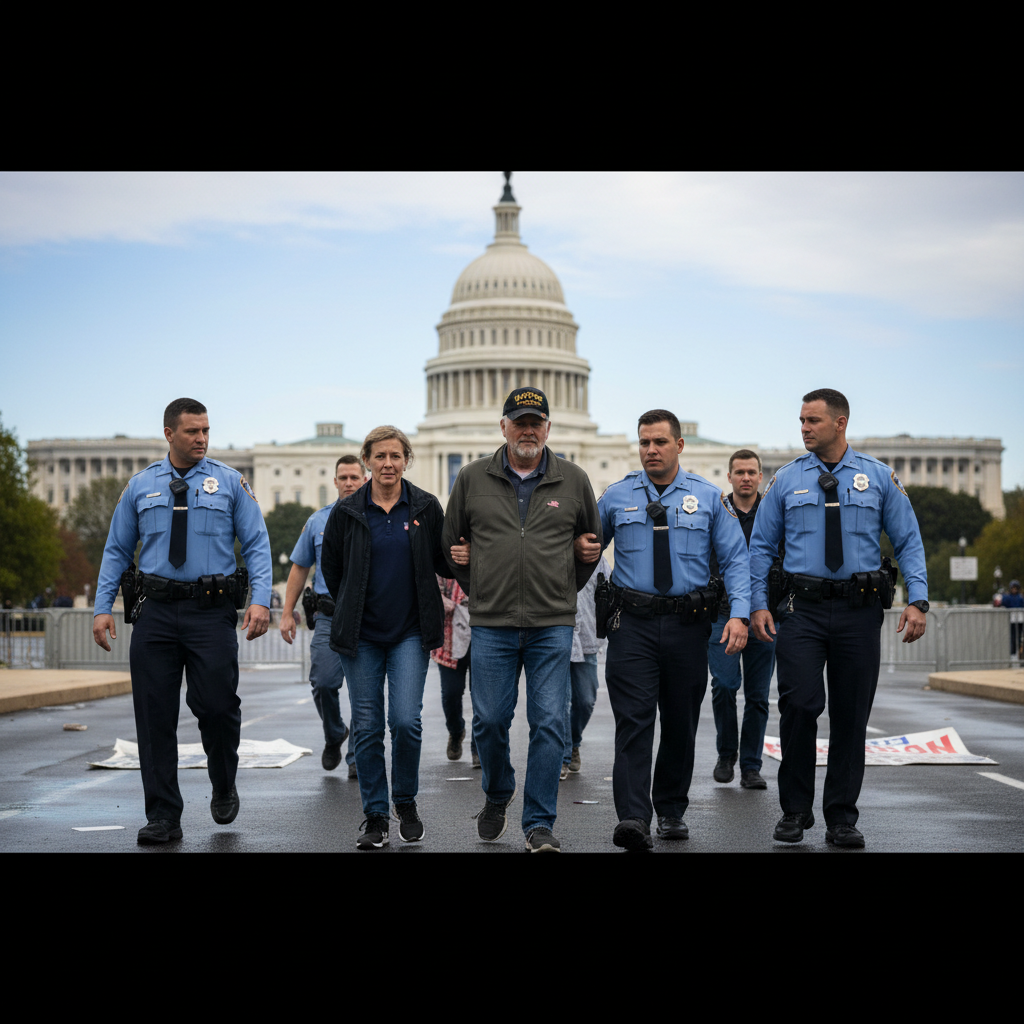
The recent news of veterans being arrested at Capitol events has reignited conversations across the United States. For many, the involvement of veterans—individuals once tasked with defending the nation's values—in high-profile political protests blurs lines between patriotism and civil unrest.
Why does this matter now? The intersection of military service and outspoken activism is a potent cultural flashpoint. It prompts difficult questions about duty, dissent, and what motivates those with a history of service to cross legal boundaries. I find this topic particularly compelling because it forces us to rethink our assumptions about identity, loyalty, and the nature of civic participation.
What's Happening
In several high-profile incidents, U.S. military veterans have been among those arrested at rallies and protests held at the Capitol. These events—most notably the January 6, 2021 breach, but also other recent protests—have included veterans from various service backgrounds.
- Law enforcement reports indicate that 10-15% of individuals charged in the January 6 Capitol riot had prior military service.
- Some veterans have been vocal about their motivations, citing concerns over perceived government overreach or election integrity.
- Organizations like the Department of Veterans Affairs have publicly condemned the events, while also emphasizing ongoing support for veteran mental health challenges.
- The arrests are often accompanied by national debate about the psychological and social transitions veterans face upon returning to civilian life, especially amid today's polarized climate.
According to federal officials, veterans identified in these events span a range of ages, ranks, and ideological positions. Many face federal charges that range from trespassing to conspiracy.
Why This Matters
The involvement of veterans in Capitol protests has complex implications for public trust in both the military and democracy itself. These individuals are often seen as standard-bearers for national ideals. Their actions—rightly or wrongly—send powerful social signals.
This trend also raises concerns about community reintegration, mental health support structures, and the processes by which veterans engage in political life after service. Ultimately, how society responds to these events will shape broader narratives about patriotism, protest, and the obligations of citizenship.
Different Perspectives
Public Concern for National Security
Some Americans view veterans' arrests at Capitol events as a threat to national security and institutional order. They argue that trained individuals engaging in protests could escalate violence and undermine public trust in the armed forces.



