
Introduction
The World Baseball Classic (WBC) never fails to energize baseball fans around the globe, and excitement for the 2026 edition is already building. With new elimination scenarios, evolving team rankings, and fresh talent emerging, the tournament bracket has become one of the most discussed aspects for analysts and fans alike.
As global competition intensifies, understanding the WBC bracket isn't just about predicting who will win; it's about exploring the intricacies of international baseball, national pride, and the ever-changing paths teams must take toward glory. I find this fascinating because the bracket serves as both roadmap and obstacle course—shaping narratives and careers in dramatic ways.
What's Happening
The current conversation around the WBC bracket centers on how the 2026 tournament is designed, the elimination scenarios that teams face, and the balance of power among the 20 participating nations. Several key headlines underscore the rapidly shifting landscape:
- Elimination scenarios are drawing attention: With the group stage's round-robin format, one upset can ripple across the bracket, impacting even the most favored teams.
- The 2026 World Baseball Classic will feature expanded rankings and reseeding, adding new dimensions to bracket prediction.
- Current rankings categorize teams as 'sure things,' 'Cinderellas,' or 'seedlings,' suggesting a more competitive field than ever before.
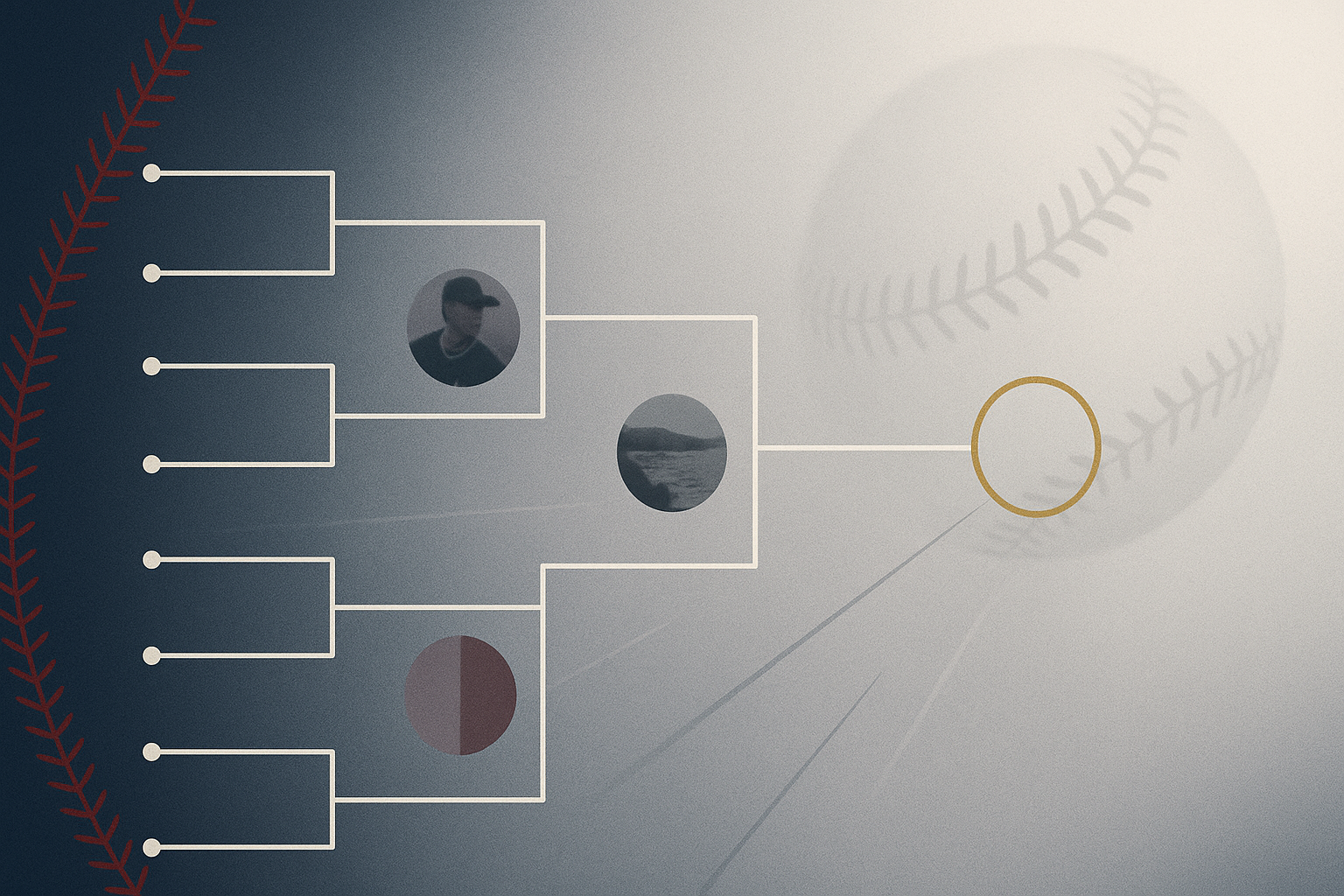
Here's a snapshot of how the bracket typically works:
- First Round: Twenty teams divided into groups; round-robin play determines top teams.
- Quarterfinals/Semifinals: Top teams advance, often via single-elimination, amplifying the intensity of every matchup.
- Final: The two surviving teams battle for the championship.
WBC 2026 will also likely see the return of some of baseball's most storied teams, alongside rising programs poised to disrupt traditional power structures.
Why This Matters
The design and unfolding of the WBC bracket matter for several reasons. For nations, it's a chance to showcase their baseball prowess on a global stage—a source of immense pride and sometimes diplomatic rivalry. For players, it's an opportunity to elevate their careers or inspire future generations at home.
Fans—whether supporting established favorites or hopeful Cinderellas—experience every twist of the bracket as high drama. The bracket's structure determines paths to resurgence or heartbreaking exits, meaning each change in format or seeding can significantly affect who makes it to the final game. This unpredictability keeps the WBC vibrant and relevant, year after year.
Different Perspectives
Baseball Traditionalists
Many purists favor stable, well-defined bracket formats that reward the most consistent teams. They argue that too much reseeding or format change can undermine the sense of fairness or tradition inherent to international baseball.



