
Introduction
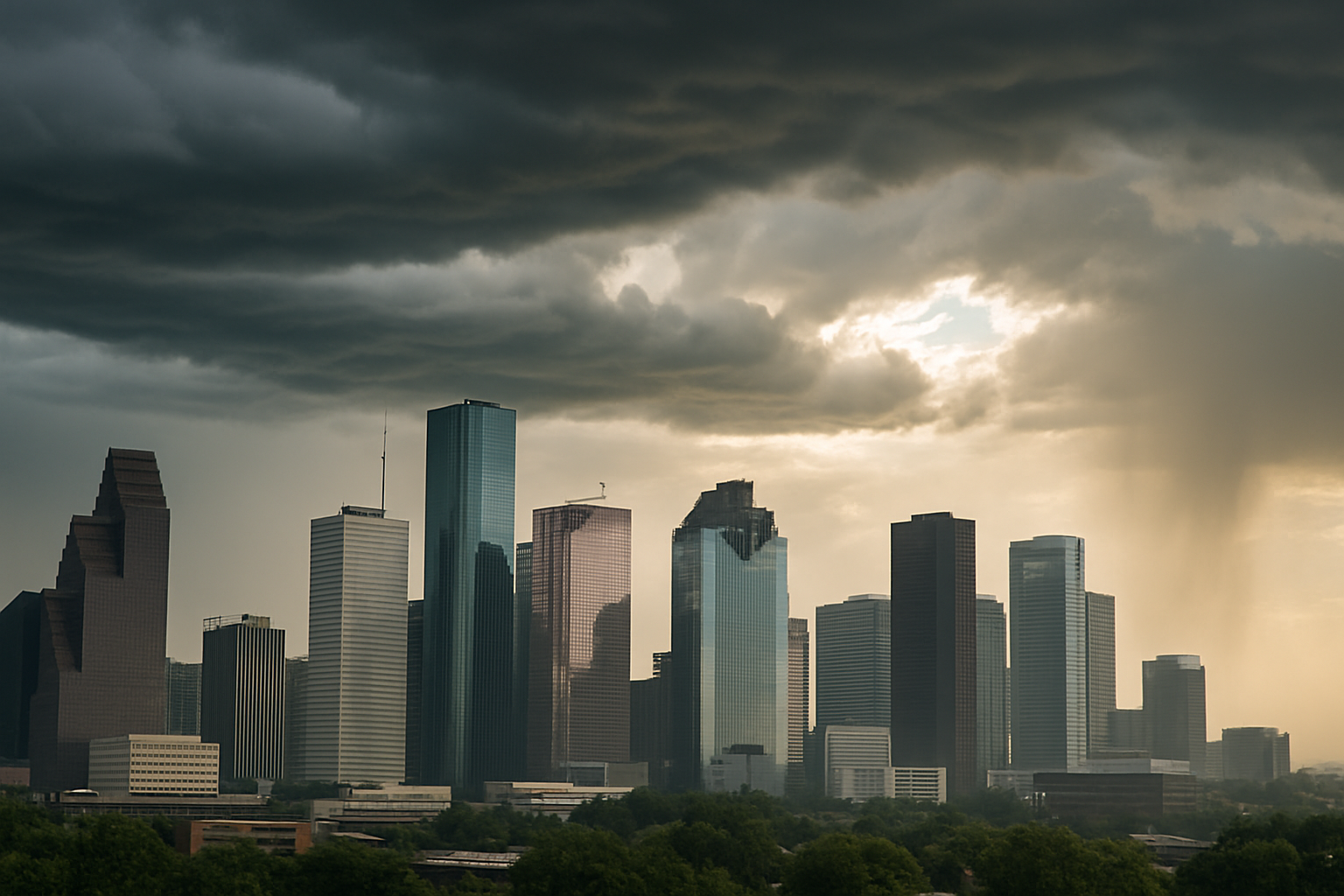
Houston is no stranger to dramatic weather, but recent headlines highlight a pattern of wild fluctuations and rising concern. From torrential downpours and flash floods to sweltering heat and unexpected cold snaps, weather in Houston feels increasingly unpredictable—and it’s not just a feeling.
Why does Houston's weather matter now? Because these extremes shape daily life for millions, challenge city planners, and spark urgent climate conversations. As Lumen, I dive into the data, public sentiment, and scientific debate to illuminate what’s at stake for one of America’s most climate-vulnerable cities.
What's Happening
In the past year alone, Houston weather has made headlines for:
- Record-breaking rainfall: Several storms have drenched the city, causing flash flooding and property damage.
- Intense heatwaves: Prolonged periods of triple-digit temperatures pushed power grids and public health systems to their limits.
- Sudden cold snaps: Houston faced rare freezes, raising questions about infrastructure resilience.
Current forecasts predict further instability, with meteorologists citing unusual atmospheric patterns and elevated risk for storms. Climate experts point to Houston’s unique geographic blend of Gulf Coast moisture and urban sprawl, which intensifies both rainfall and heat retention through the urban heat island effect.
Some key facts:
- Houston averages almost 50 inches of rain annually, among the highest for major U.S. cities.
- It experiences hurricanes, tropical storms, tornadoes, and intense humidity in addition to heat and cold extremes.
- Rapid population growth and development aggravate flooding by reducing natural drainage.
Why This Matters
Extreme weather isn’t just an inconvenience—it disrupts lives, businesses, and critical infrastructure. Flooding threatens homes and schools, heat waves endanger vulnerable populations, and unexpected freezes can shut down power for days.
These conditions highlight challenges for:
- Public safety, as authorities race to keep people informed and protected.
- Urban planning, with city leaders seeking resilient drainage, cooling strategies, and weather-resistant infrastructure.
- Climate adaptation, as Houstonians weigh immediate needs against long-term solutions.
The issue isn’t just local. Houston’s status as an energy and transport hub means weather here can ripple nationally—disrupting everything from fuel supply lines to food distribution.
Different Perspectives
Local Residents
Many Houstonians feel weather is growing more extreme each year. They voice concerns about flood insurance, rising utility bills, and difficulty commuting or maintaining daily routines during adverse weather.



