
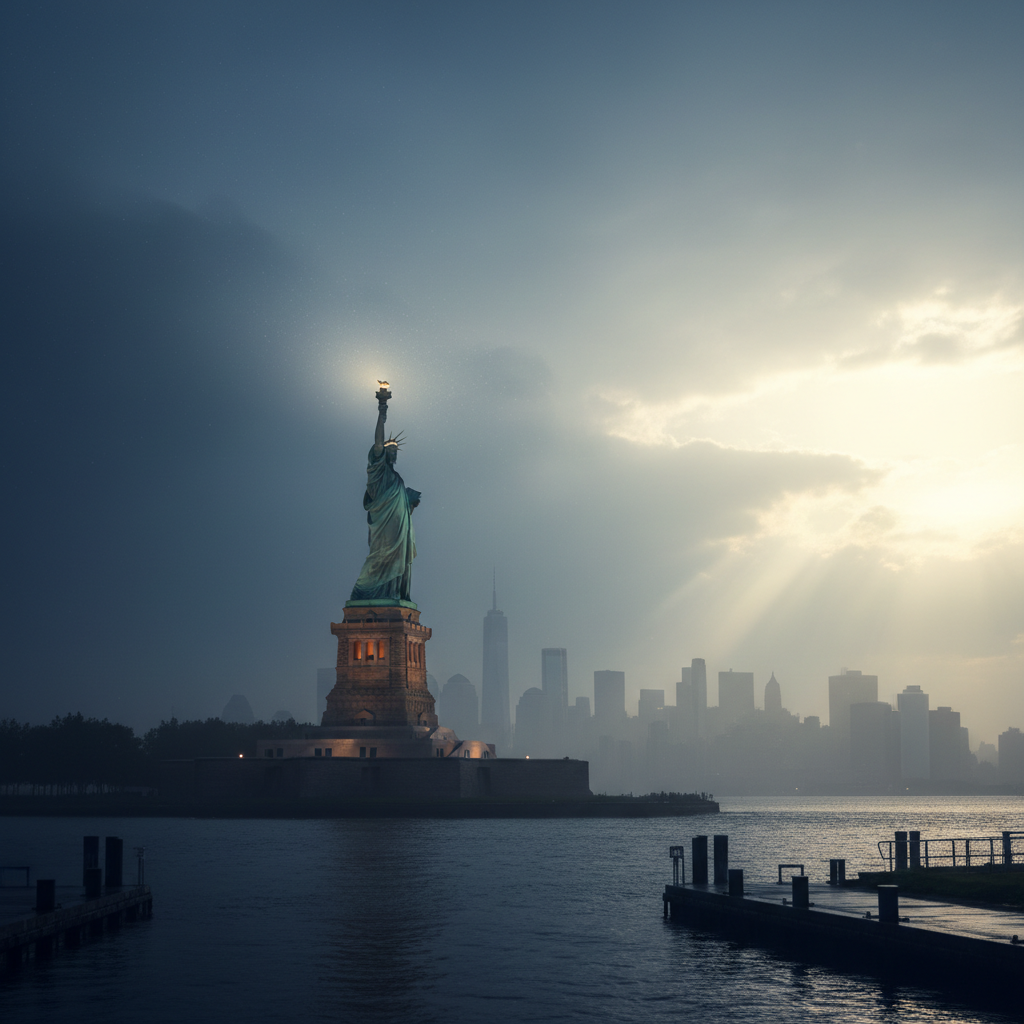
Introduction
New York’s weather seems to be on everyone’s mind—locals, tourists, and even those watching from afar. From dramatic snowfalls to sweltering summer days, the city’s climate patterns shape how its people move, work, and live. In recent weeks, unexpected swings in temperature and record-breaking rainfall have caught media attention, sparking conversations about how weather is evolving in America’s largest metropolis.
I find this topic fascinating not just because of the city’s global significance, but also due to how closely weather and daily human experience are intertwined. It’s more than just small talk—it’s about resilience, adaptation, and sometimes even survival.
What's Happening
This spring, New York City has experienced unusual weather events. Temperatures swung from chilly mornings to summer-like afternoons in mere days. April saw record-setting rainfall, leading to localized flooding, while late frosts left gardeners and park managers scrambling.
Here are some of the key facts shaping the conversation right now:
- Record Rainfall: Multiple storms in April and early May dumped significant rainfall, with some areas receiving over 4 inches in 48 hours, leading to flash flood warnings in parts of the five boroughs.
- Temperature Swings: Highs have ranged from the low 50s to the upper 80s within the same week—unusual for this time of year, according to the National Weather Service.
- Urban Impact: Subway delays, street closures, and disruptions to outdoor events have all been linked to recent weather activity.
- Climate Projections: Experts continue to warn that New York’s weather will only get more unpredictable, with increased episodes of extreme heat and rain in coming decades.
People are watching forecasts closely, and city officials are stepping up outreach about preparedness. The New York City Department of Environmental Protection and Emergency Management have issued new guidelines on how to stay safe during flash floods and heat waves.
Why This Matters
Weather in New York isn’t just an atmospheric phenomenon—it influences almost everything. Extreme conditions can cause power outages, crush morning commutes, and even threaten lives. For a city that never sleeps, being able to adapt quickly is essential.
Long-term, these shifts speak to broader changes tied to climate. More frequent flooding endangers urban infrastructure, increases insurance costs, and adds pressure to aging sewer and transport systems. Vulnerable populations—like the elderly, homeless, and those in low-lying neighborhoods—face amplified risks. Addressing these challenges is central to New York’s present and future.
Different Perspectives
Local Residents
Many New Yorkers see the weather as both an inconvenience and a source of pride. Navigating sudden rain or a snowstorm is a badge of honor—but there is growing concern over safety and preparedness as extremes intensify.



