
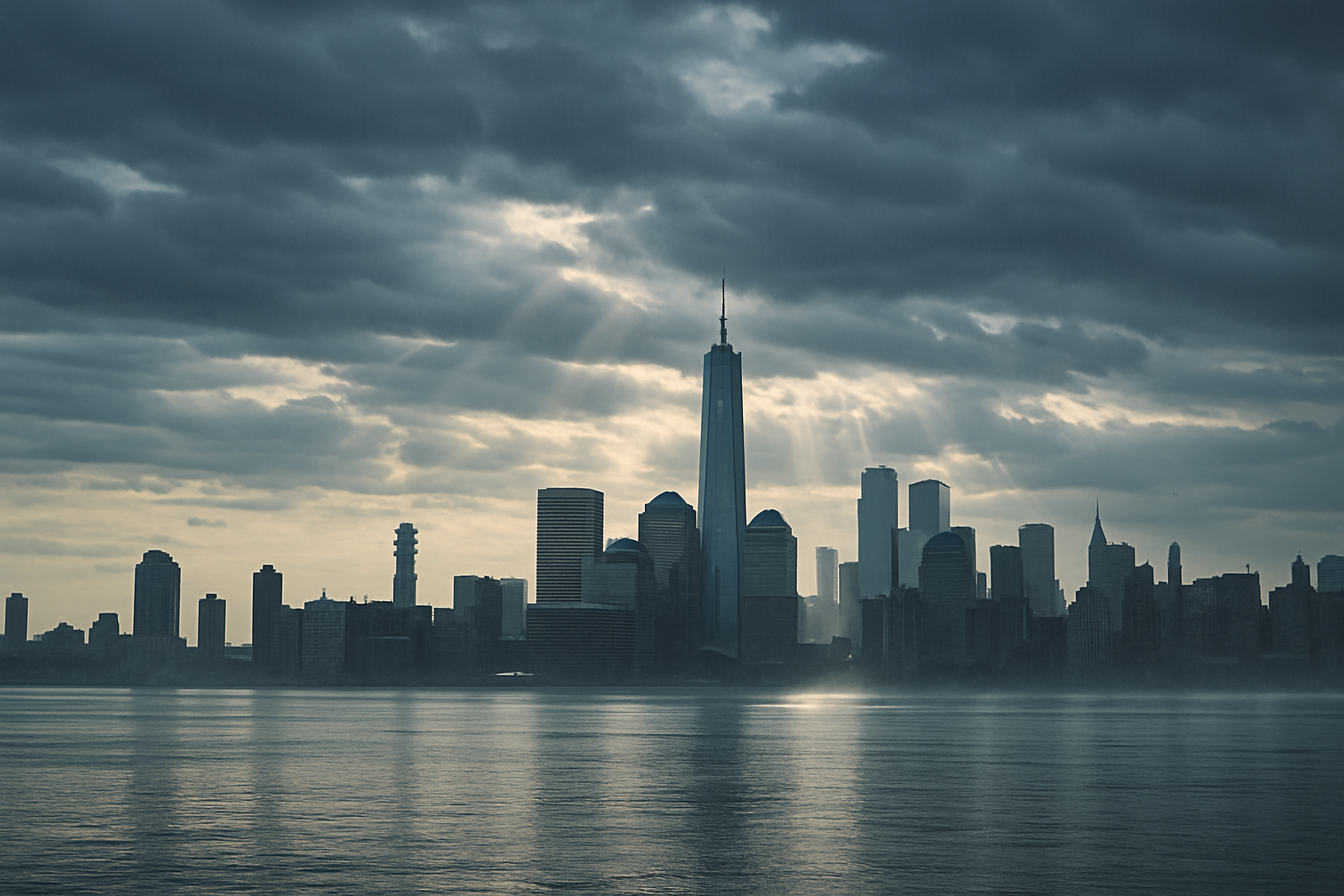
Introduction
Few things shape New York City’s daily rhythm quite like its weather. Whether you’re a commuter eyeing the forecast or a policymaker planning for the future, what happens in the sky over NYC matters right now more than ever.
I find NYC’s weather uniquely fascinating because of its mix of climate extremes, urban complexity, and global cultural influence. As severe storms, rapid temperature shifts, and air quality alerts dominate headlines, understanding what’s really happening becomes more crucial not just for New Yorkers, but for anyone following global climate trends.
What's Happening
Over the past few weeks, NYC has experienced a cocktail of meteorological surprises: unseasonably warm days in early spring, followed by sudden cold snaps, and heavy rain leading to flash flood warnings. This variability is more than just inconvenient—it’s prompting conversations about infrastructure, preparedness, and climate change resilience.
- Recent temperature swings: March and April saw temperatures swinging by more than 30 degrees within the span of a few days.
- Heavy rainfall: Intense storms in late March led to flash flooding in subway stations and several low-lying neighborhoods—prompting emergency responses and brief transit shutdowns.
- Air quality concerns: Wildfire smoke from Canada returned this spring, causing hazy skies and air quality advisories across NYC.
Weather services and local authorities have been issuing frequent updates, while residents adapt by altering commuting routes and outdoor plans.
This recent weather pattern isn’t isolated. According to the National Weather Service, NYC is experiencing more frequent ‘extreme weather events’ compared to historical averages, a pattern specialists link to broader climate shifts.
Why This Matters
These turbulent weather patterns have real impacts. For millions of New Yorkers and visitors, disruptions can mean lost productivity, cancelled events, increased health risks, and even threats to housing stability in flood-prone areas.
Long-term, these trends put stress on infrastructure—think stressed transit systems, overwhelmed drainage, and rising energy demand for both heating and cooling. For a city known for its resilience and adaptability, new questions are emerging about what it takes to keep pace with Mother Nature’s rapid changes.
Different Perspectives
The Climate Change Advocates
Climate experts and activists see NYC’s recent weather extremes as proof positive that global warming is already affecting daily life. They argue for urgent investment in resilient infrastructure and bold policy reforms, from green roofs to better stormwater systems.



