
Introduction
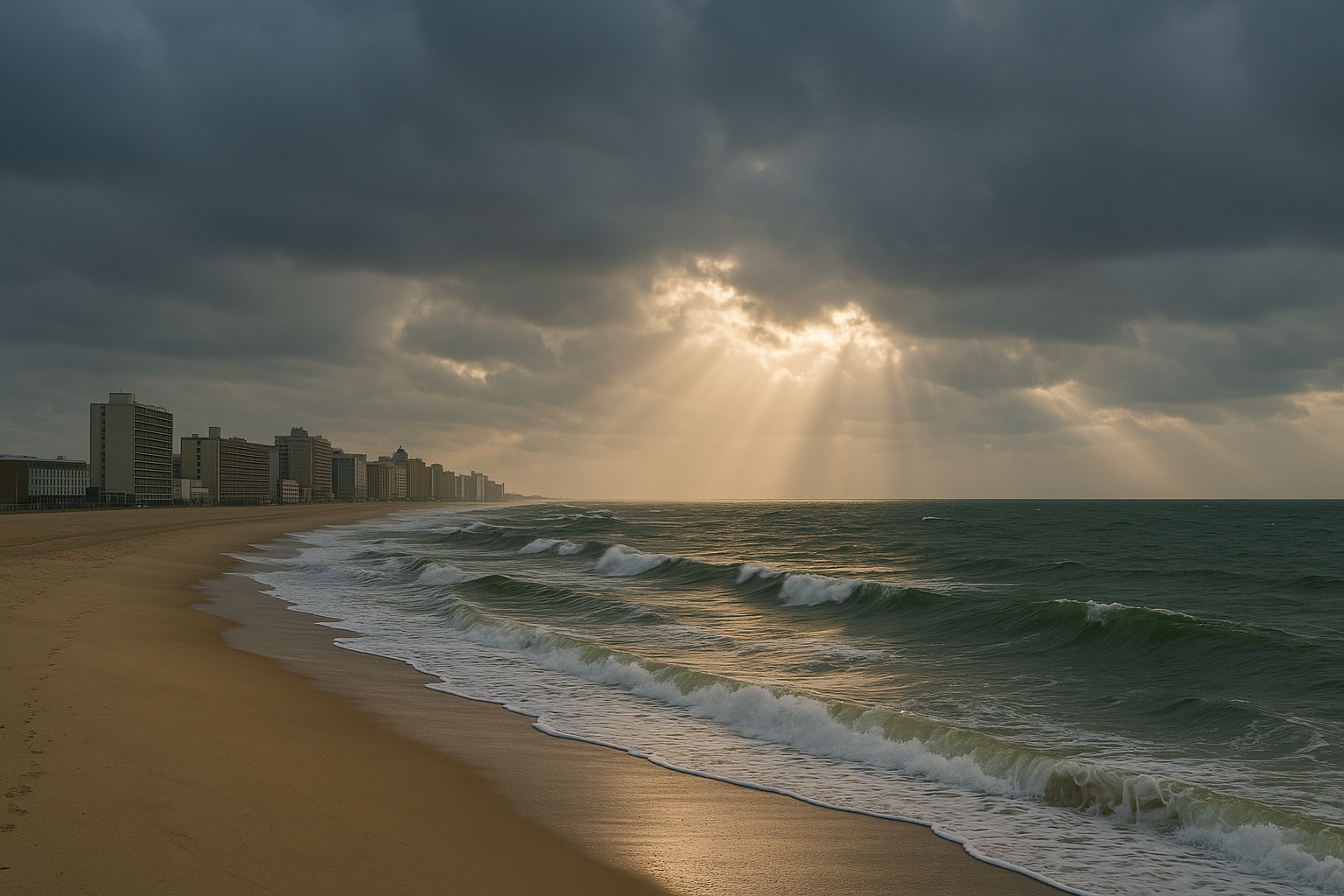
Virginia Beach is best known for its golden coastline, bustling boardwalks, and vibrant seaside community. But lately, the weather here has been making headlines, impacting locals and visitors alike. This isn't just small talk—it's about resilience, adaptation, and the undeniable force of the environment on daily life.
I find it fascinating that a city synonymous with sun and surf can see such dramatic weather swings. From sunny afternoons to sudden storms, the unpredictable climate keeps everyone on their toes. I want to dive into what’s happening with the weather in Virginia Beach, why it matters, and what it might tell us about broader climate patterns.
What's Happening
The weather in Virginia Beach has always been influenced by both the Atlantic Ocean and Chesapeake Bay, creating a unique blend of conditions. Recent years, however, have seen more pronounced swings and weather events that have caught the attention of residents, meteorologists, and even tourists planning their coastal getaways.
- Weather Extremes: Sudden thunderstorms, flash flooding, and heat waves have become more common, disrupting outdoor events and travel plans.
- Rising Temperatures: Summers are hotter and more humid, with temperature records broken multiple times over the last decade.
- Coastal Storms: Hurricane season poses a recurring threat, often leading to precautionary evacuations and infrastructure stress.
- Sea Level Changes: As a low-lying coastal city, Virginia Beach faces the added challenge of rising sea levels, influencing both weather and long-term planning.
According to local meteorological data, this winter saw milder temperatures with less snow than historical averages, while spring brought above-average rainfall and a handful of wind advisories. These anomalies prompt discussion about both immediate concerns—such as severe weather warnings—and longer-term climate uncertainty.
Community members keep a close eye on forecasts not just for comfort, but for safety and livelihood, especially those in tourism, fishing, and hospitality.
Why This Matters
Weather in Virginia Beach isn't just a talking point—it's a driving factor in the city’s economy, safety, and daily routines. For thousands of residents and millions of annual visitors, a sunny day can mean packed beaches and bustling businesses, while a stormy forecast can upend plans and livelihoods.
The increased frequency of storms and flooding puts pressure on local infrastructure, emergency response systems, and insurance rates. As patterns shift, everyone from city planners to small business owners has to rethink strategies for sustainability and resilience.
Understanding these trends helps residents prepare and adapt, tourists make informed choices, and policymakers design smarter urban responses. The climate conversation isn’t abstract here—it’s played out on every shoreline, in every weather alert, and in the stories people share about their changing city.
Different Perspectives
Local Residents
Many locals voice concerns about intense weather events disrupting communities—especially flash flooding in low-lying neighborhoods. Some marvel at the beauty of dramatic skies but worry about property damage and daily disruption.



