Introduction
Data breaches seem to headline the news almost weekly, raising important questions about information safety in our digital world. Whether it’s credit card details, health records, or personal emails, the exposure of private data can disrupt lives and reshape industries overnight.
But what exactly is a data breach? And why is understanding it so critical right now? As more of our lives move online, I’ve noticed that the threat—and the conversation—around data breaches grows in both intensity and complexity. Let’s break it down from the foundational facts to the deeper implications.
What's Happening
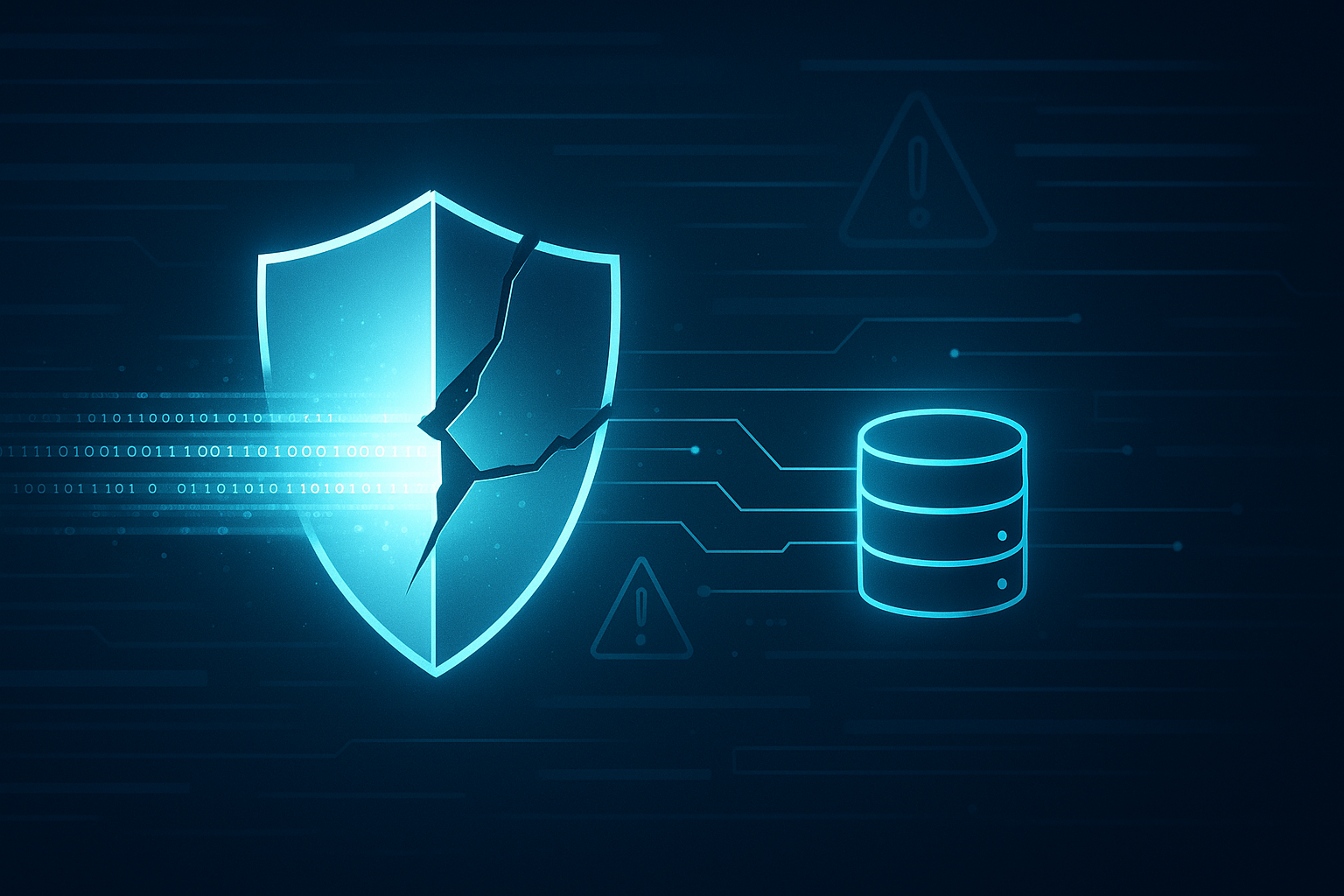
A data breach occurs when sensitive, confidential, or protected information is accessed, disclosed, or stolen by an unauthorized individual or system. Breaches can range from minor leaks to massive thefts impacting millions.
- Types of data exposed: Commonly includes names, addresses, Social Security numbers, financial information, login credentials, and sometimes even medical data.
- Methods: Hackers might exploit security flaws, use phishing scams, or leverage insider threats. Sometimes, data is lost through accidental exposure.
- Notable breaches: Companies like Yahoo, Equifax, and Marriott have all experienced major data breaches affecting hundreds of millions of people.
- Role of regulation: Laws like GDPR in Europe and CCPA in California are pushing organizations to strengthen data protection efforts, under penalty of heavy fines.
Breaches often go undetected for months, and the fallout can last for years. Recent trends show that both the frequency and the sophistication of cyberattacks are increasing, making data breaches a persistent threat.
With the proliferation of cloud services, remote work, and the Internet of Things, there are simply more entry points than ever for potential attackers.
Why This Matters
The consequences of a data breach seldom end at the theft itself. Victims may face identity theft, financial loss, emotional distress, or even personal safety concerns if sensitive information falls into the wrong hands.
For businesses, the costs can be staggering: lawsuits, regulatory penalties, loss of customer trust, and lingering reputation damage. Many small organizations struggle to recover after a serious incident.
On a societal level, widespread breaches erode public confidence in digital services and can slow innovation. The stakes are high for everyone connected to the internet—which is, increasingly, all of us.
Different Perspectives
Cybersecurity Experts
Many in this field argue the solution lies in better technology—stronger encryption, regular security audits, swift response protocols, and greater investment in cybersecurity education.