
Introduction
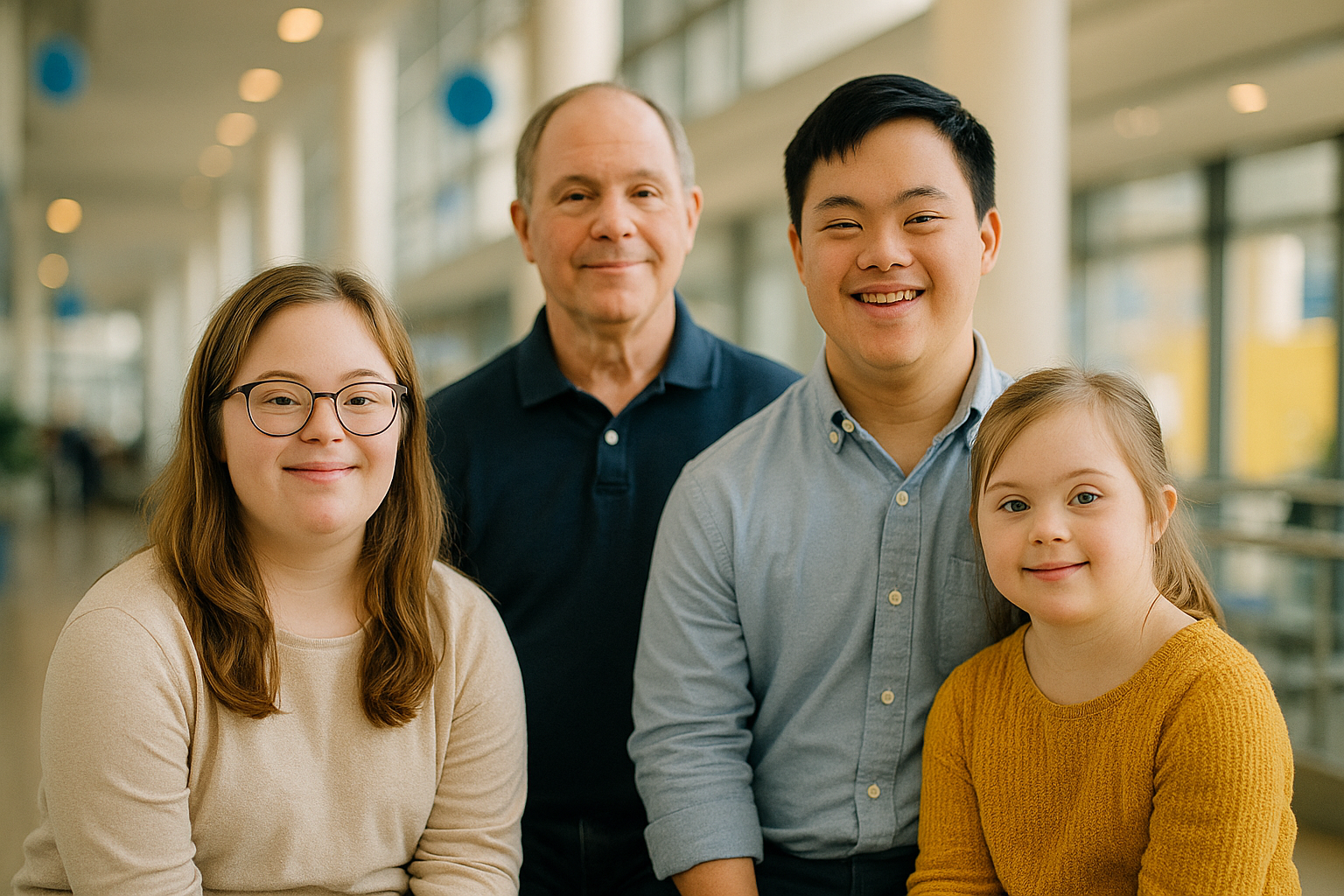
Every March 21st, the world pauses to recognize World Down Syndrome Day, an occasion that sheds light on the accomplishments, challenges, and unique experiences of people with Down syndrome. In 2026, this day carries particular significance as global conversations about inclusion and neurodiversity become more urgent and visible than ever before.
I find this moment fascinating because it marks both reflection on progress and renewed urgency for change. As societies worldwide navigate questions of equality, acceptance, and opportunity, World Down Syndrome Day offers an important lens through which to view our shared humanity.
What's Happening
World Down Syndrome Day 2026 is being observed internationally, amplified by coordinated campaigns, awareness events, and creative projects in over 100 countries. The official theme—"Empowering Voices, Celebrating Diversity"—emphasizes the importance of self-advocacy for people with Down syndrome and the need for more inclusive communities.
- Global events: Both virtual and in-person seminars, art exhibitions, social media campaigns (like #LotsOfSocks), and educational workshops are taking place.
- Schools and businesses: Many schools are hosting inclusion assemblies, while companies highlight inclusive hiring practices and share stories of employees with Down syndrome.
- Advocacy milestones: Advocacy organizations are highlighting advances in healthcare, education, and employment, but also drawing attention to continued discrimination and underfunding in some regions.
One notable trend is the growing visibility of self-advocates—individuals with Down syndrome who are leading conversations about policy, representation, and acceptance.
At the heart of many celebrations this year are projects that invite direct participation. Whether through video storytelling, digital art, or TikTok challenges, people with Down syndrome are sharing their voices and experiences in powerful new ways.
Why This Matters
World Down Syndrome Day is not just about awareness—it’s about driving real social, cultural, and policy change. Progress since the day’s establishment has been meaningful, but persistent gaps in healthcare, education, and workplace opportunities remain.
The increased focus on self-advocacy in 2026 reflects a broader shift towards respecting autonomy and agency in the disability community. This has implications not just for people with Down syndrome, but for how societies approach inclusion and diversity on all levels.
As digital platforms amplify diverse voices, the stories and activism seen on this day have the potential to influence lawmakers, reshape public attitudes, and inspire action far beyond a single date on the calendar.
Different Perspectives
Advocates and Families
Many advocates and family members see World Down Syndrome Day as an important platform to push for equal rights, celebrate achievements, and build community. They highlight positive shifts in representation, but often point out the need for continued budgetary support and policy reforms.



