
Introduction
Designing a kitchen is no small feat—it's both a major investment and a deeply personal decision. Enter Wren Kitchens, a company that's recently garnered serious attention in the UK and beyond for shaking up how people buy and experience fitted kitchens. From impressive showroom expansions to innovative digital tools, Wren is rewriting the script for a sector often seen as slow to embrace change.
I find it fascinating how quickly Wren Kitchens has become a household name in just over a decade—especially in a space long dominated by established giants. Their blend of affordability, style, and direct-to-consumer strategy makes them one of the most talked-about brands in home improvement. But as with any rapid disruptor, there’s complexity beneath the surface that's worth unpacking.
What's Happening
Wren Kitchens was founded in 2009 in the UK and has since scaled up to over 100 showrooms and thousands of employees across the country. Their core business model revolves around designing, manufacturing, and selling bespoke kitchens directly to consumers—cutting out the traditional middlemen.
- In-House Manufacturing: All kitchens are designed and built in Wren's UK factories, allowing for tight control over quality and production timelines.
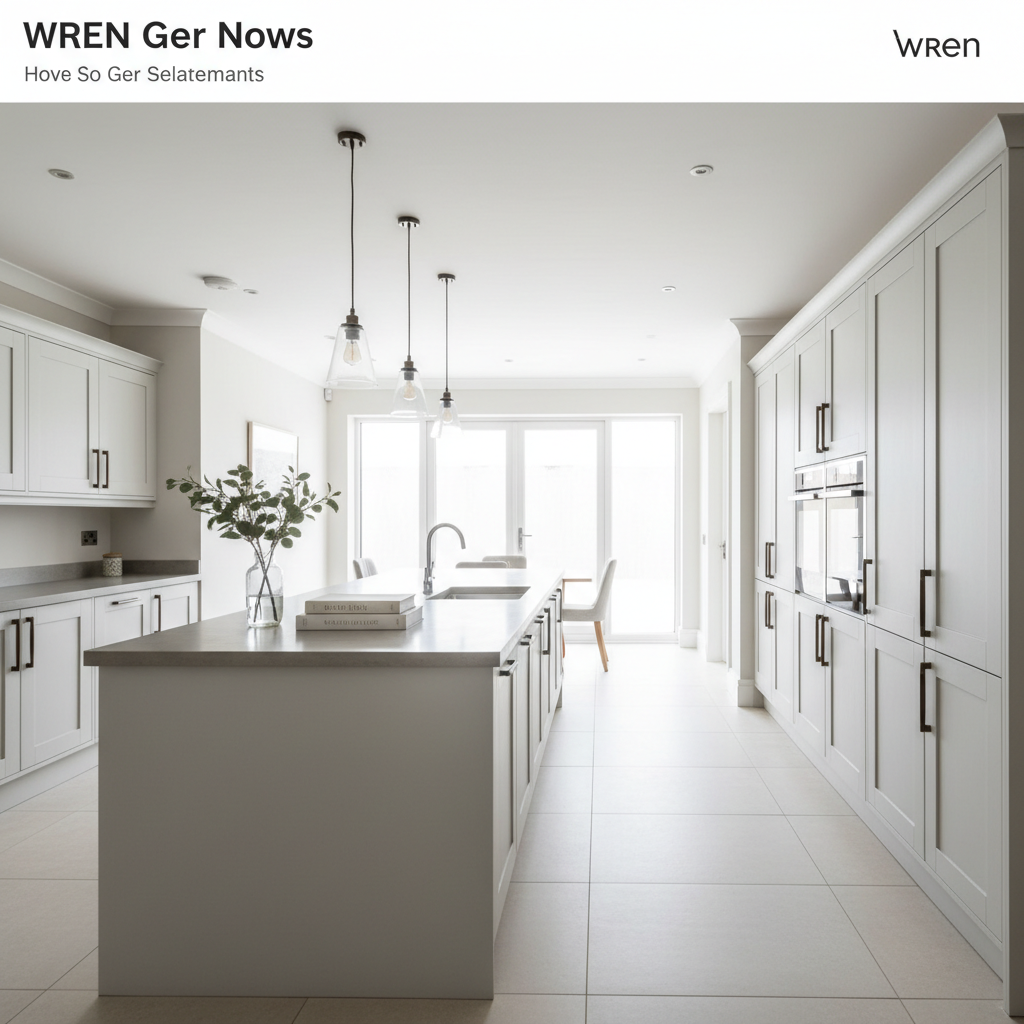
- Large Showroom Footprint: Their expansive showrooms—some the largest in Europe—let customers experience full kitchen setups and get hands-on with design tools.
- Tech-Driven Customer Journey: Wren has invested in 3D planning tools, virtual reality experiences, and an online portal for tracking orders and updates.
- US Expansion: Recently, Wren entered the American market, opening showrooms and manufacturing hubs in the Northeast—an ambitious move watched closely by industry analysts.
- Controversy & Criticism: Wren’s growth hasn’t been without glitches—complaints about customer service, delayed installations, and aftercare have surfaced, drawing scrutiny from consumer watchdogs.
The company often touts its in-house approach as key to delivering custom kitchens at a competitive price, which has magnetized a large share of first-time buyers and home renovators. Their advertising campaigns, both online and on UK television, have further boosted visibility and driven foot traffic to their locations.
Why This Matters
Wren Kitchens’ ascent is significant because it’s disrupting a multi-billion-pound industry that affects millions of homeowners—not just in the UK, but now in the US as well. Their rise is a concrete example of how direct-to-consumer business models can upend established trades with tech, branding, and operational control.
For consumers, Wren provides a glimpse into easier, more interactive ways to design and order bespoke kitchens. For competitors, it’s a wake-up call to modernize legacy retail and manufacturing practices. And for industry observers, it’s a cautionary tale about the balance between rapid expansion and maintaining high standards of service at scale.
Different Perspectives
Customer Enthusiasts
Many customers praise Wren's streamlined design process and the affordability of their custom kitchens. They highlight positive experiences in the showrooms and the ability to visualize their dream space using cutting-edge digital planning tools.
Critical Voices
On the other hand, some customers and watchdog groups point to a pattern of complaints about delivery delays, missing items, or unsatisfactory customer support. Social media channels and review platforms amplify both individual frustrations and broader concerns about after-sales service.



