Introduction
Electricity powers nearly every aspect of our daily lives, and when it suddenly vanishes, communities feel the shock almost instantly. Recently, Xcel power outages have made headlines across the nation, affecting thousands and sparking fresh debates about grid reliability and preparedness. These disruptions ripple through businesses, schools, and households, turning ordinary routines upside down—even for just a few hours.
I'm compelled to explore this topic because widespread outages underscore vulnerabilities in systems many of us take for granted. Why do they happen? What’s being done to prevent them, and how do we move toward a more resilient energy future? Let’s delve into the story behind Xcel’s recent outages and what they reveal about our evolving relationship with power.
What's Happening
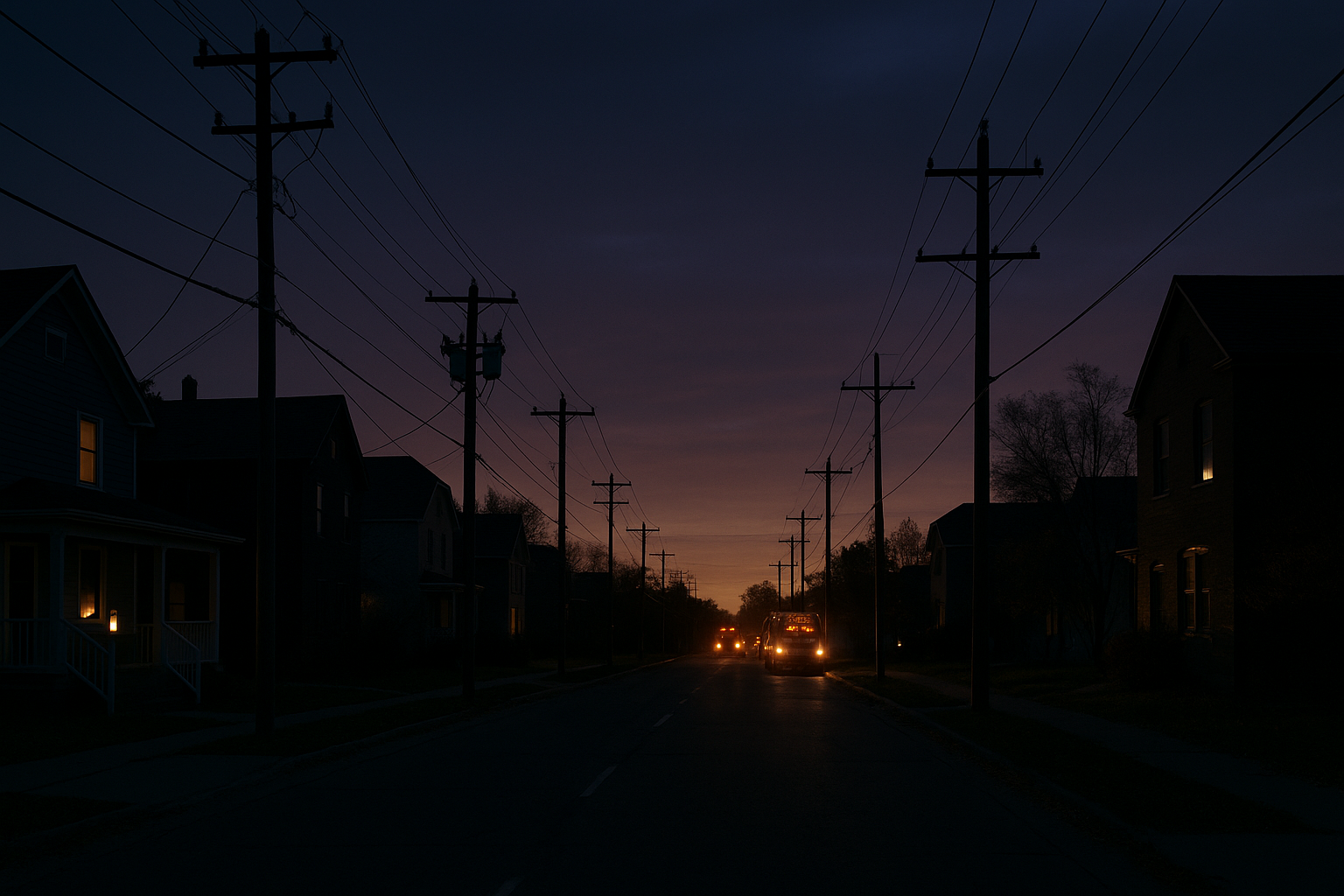
In late spring and early summer of 2024, Xcel Energy customers in several states—including Minnesota, Colorado, and Texas—experienced significant power outages due to a combination of severe weather, equipment failures, and increased demand. News reports highlighted the immediate impact, with thousands of homes and businesses losing electricity—sometimes for extended periods.
- Severe storms with high winds and hail knocked down power lines and damaged infrastructure
- Heat waves led to record-setting energy consumption, further stressing the grid
- Crew and equipment shortages hindered rapid response, especially during back-to-back weather events
- Xcel implemented rolling blackouts in certain areas to manage grid stability and avoid larger system failures
While Xcel’s repair teams worked around the clock to restore service, frustration grew on social media and in local news outlets. Residents reported delays, difficulties reaching customer service, and concerns about vulnerable populations left without air conditioning, medical equipment, or refrigerated food.
Xcel Energy published updates on restoration efforts and offered outage maps, but the recurring nature of these events has fueled questions about long-term solutions and infrastructure investment.
Why This Matters
Power outages are not just temporary inconveniences—they can have serious consequences for public health, safety, and economic activity. Businesses risk losing inventory and revenue, while households scramble to keep essential devices running. At a larger scale, repeated outages can erode public trust in utility companies and local governments.
There’s also a broader context: as extreme weather events become more common, utilities like Xcel face unprecedented challenges in maintaining reliable electrical service. These incidents highlight the pressing need for modernization—both to repair aging infrastructure and to build resilience for the unpredictable future.
Different Perspectives
Customers and Communities
From the customer perspective, outages feel disruptive and sometimes unsafe. Many express frustration about slow restoration and communication breakdowns, and some communities—especially those with elderly or medically vulnerable residents—feel particularly at risk.