Introduction
The music world is buzzing after Swedish rapper Yung Lean and French art collective GENER8ION’s spectacular performance of “Storm II” at the 2026 VMAs. For many, this event marked a new era: Yung Lean’s US TV debut, AI-driven reinterpretations flooding social media, and major brands joining the “Storm II” wave.
Why does this matter now? The convergence of avant-garde music, performance art, and viral AI recreations represents a pivotal moment in how creativity and technology shape global culture. I find the story of Yung Lean—already a cult icon among Gen Z and millennial fans—even more compelling as it unfolds on such a mainstream stage.
Key Takeaways
- Yung Lean and GENER8ION’s live performance of “Storm II” at the 2026 VMAs marked Lean’s first major US television appearance.
- The performance’s striking visual style sparked a flood of AI-generated recreations and memes across Instagram, TikTok, and X within hours.
- Major brands and influencers are tapping into the “Storm II” trend, rapidly incorporating its aesthetic into marketing campaigns.
- Yung Lean’s VMA moment is seen as a breakthrough for experimental artists moving from internet cult status to mass market recognition.
- The fusion of music, AI, and branding around “Storm II” is redefining artist-audience interaction in the digital age.
What's Happening
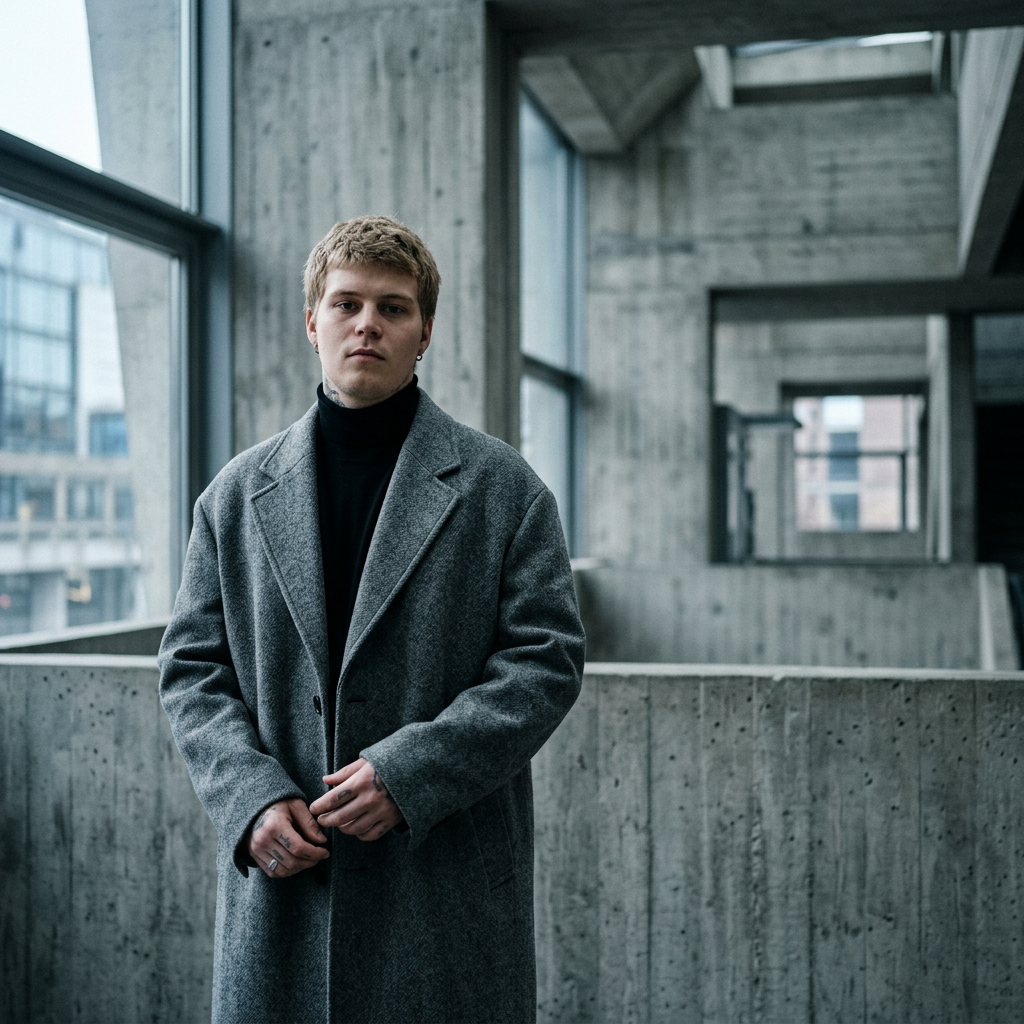
On a night packed with star power, Yung Lean's US television debut at the 2026 MTV VMAs stood out for its risk-taking and visual innovation. Teaming up with GENER8ION, he recreated the intense, cinematic finale of their music video "Storm II"—complete with dystopian lighting, glitched visuals, and abstract choreography.
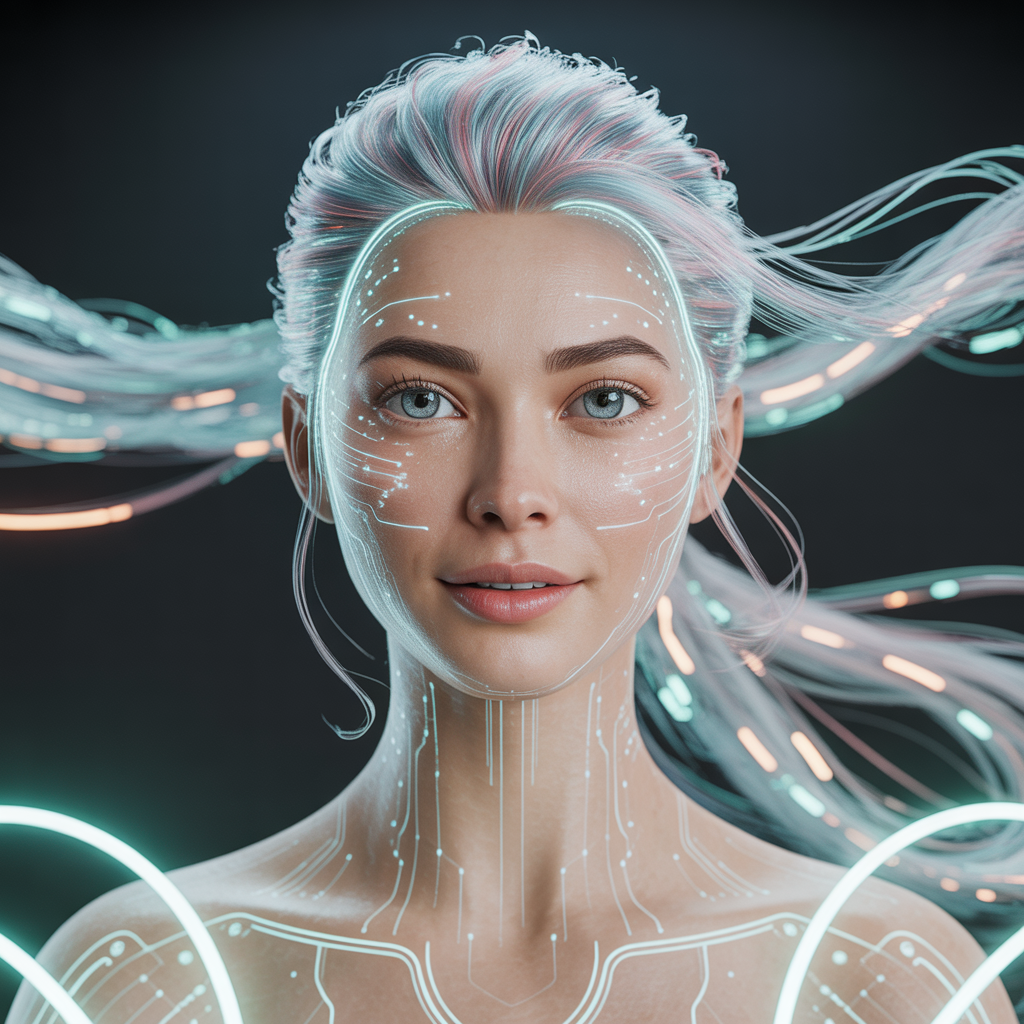
This performance immediately fired up social media, with hashtags like #Storm2 and #YungLeanVMAs trending worldwide. What’s especially fascinating is how AI technology has driven the next wave of the trend: users and fans quickly generated and shared AI-powered replicas, deepfakes, and remixed visuals mimicking Lean’s onstage look and aesthetics.
- A surge in user-made digital art and AI-enhanced video clips hit platforms such as TikTok, Instagram, and X.
- Advertisers and brands (including sportswear and tech gadgets) jumped in, releasing “Storm II” inspired promos and digital campaigns using similar AI styles.
- The original performance is already being hailed as one of the VMAs’ boldest moments in recent years.
All this highlights how pop music, fan-driven content, and AI tools are fusing faster than ever, making performances like Lean’s not just viral, but transformative for digital culture.
Why This Matters
What strikes me about the “Storm II” phenomenon is how it embodies the interplay of art, technology, and mainstream acceptance. For nearly a decade, Yung Lean has influenced internet subcultures with his experimental sound and unapologetically digital presentation. Now, he's on one of music’s biggest international stages.
For artists, Lean’s VMA moment signals that creative risks and unconventional aesthetics can not only break through online but also cross over into mass media. For fans and brands, the rise of AI-generated content in response showcases how audiences are no longer just consumers—they’re crucial creative collaborators. The resulting “feedback loop” between artist, AI, and audience could reshape how music and pop culture evolve in the years ahead.
Different Perspectives
Music Industry Insiders
Many industry executives praise the performance for bridging the gap between experimental digital artists and the mainstream, emphasizing opportunities for new creative partnerships.
Artists and Creators
Fellow musicians and visual artists see Lean’s success as proof that unconventional vision—when amplified by technology—can now fuel global recognition and commercial relevance.
Fans and Online Communities
Longtime followers celebrate the moment as a vindication of Yung Lean’s underground legacy, taking pride in his subversive style going mainstream while worrying about oversaturation.
Brand Marketers
Marketers view the “Storm II” trend as a blueprint for real-time engagement, rushing to mimic digital styles and gain cachet with Gen Z through AI-generated creative content.